The Cuban government has confirmed that 32 Cuban military and police officers were killed in Venezuela during a US military operation over the weekend. The announcement, broadcast on Cuban state television on Sunday night, marked Havana’s first official acknowledgement of the deaths.
According to the statement, the officers were deployed in Venezuela on a mission carried out at the request of the Venezuelan government. Cuban authorities did not disclose the exact nature of their role, but Havana has for years provided security, intelligence and military support to its close ally in Caracas.
Havana Declares National Mourning
Cuba announced two days of official mourning in honour of those killed. In its statement, the government said the officers died while carrying out their duties during direct combat or as a result of bombings.
“Faithful to their responsibilities for security and defence, our compatriots fulfilled their duty with dignity and heroism,” the statement said, describing the fallen officers as having resisted the attack under intense conditions.
Trump Confirms Cuban Losses, Signals Further Action
US President Donald Trump also referenced the deaths while speaking to reporters aboard Air Force One on Sunday night as he returned to Washington from Florida.
“A lot of Cubans were killed yesterday,” Trump said. “There was a lot of death on the other side. No death on our side.”
Trump has not ruled out further military action, warning that additional strikes could follow if Venezuela’s interim leadership does not comply with US demands. He said Washington expects cooperation in opening up Venezuela’s oil industry and halting drug trafficking routes.
The US president also threatened possible military action in Colombia and Mexico, while claiming that Cuba’s communist government “looks like it’s ready to fall” without external intervention.
Maduro’s Capture Deepens the Crisis
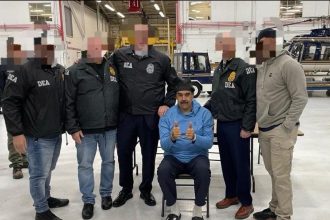
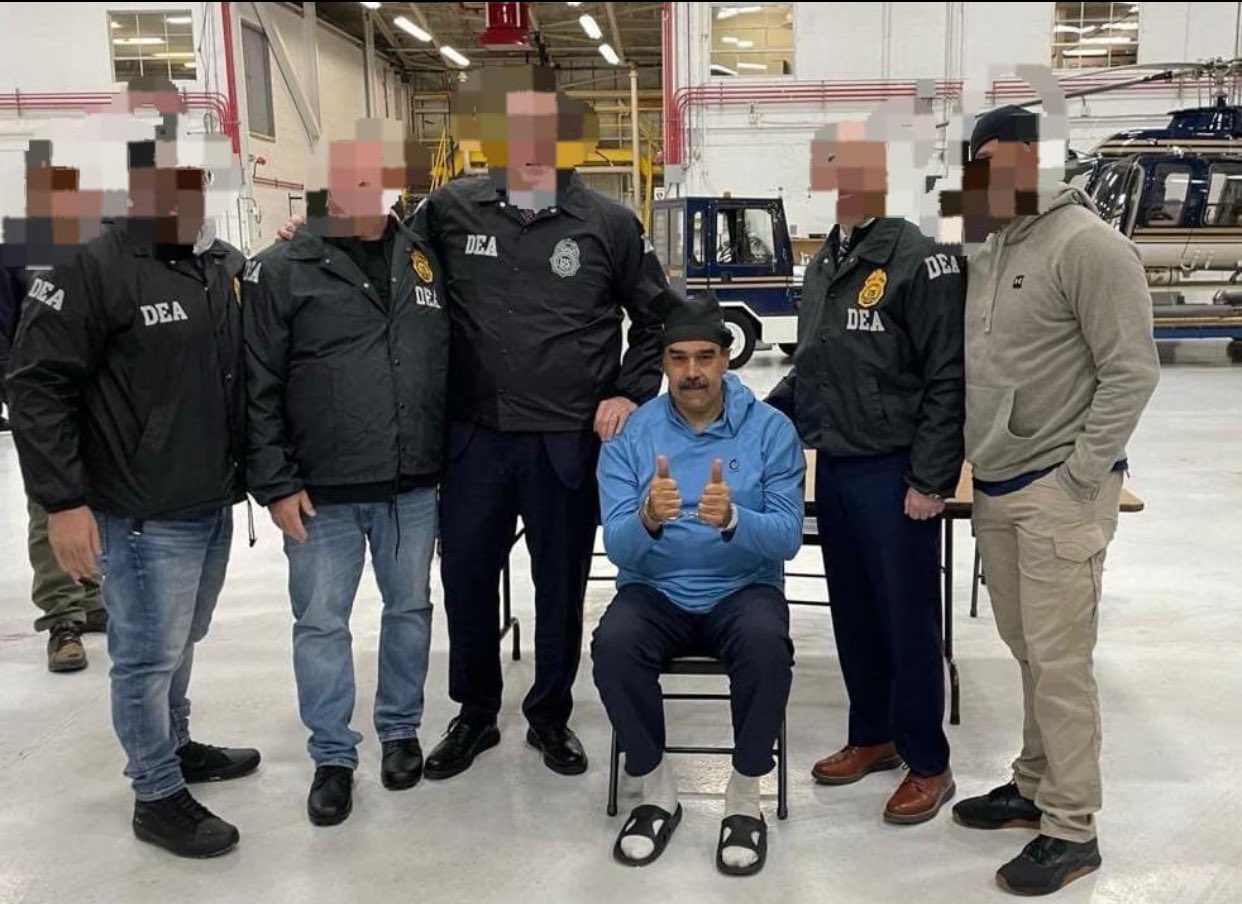
The confirmation of Cuban casualties comes as Venezuela remains in political turmoil following the capture of President Nicolás Maduro during a US military raid in Caracas on Saturday. Maduro, 63, was due to appear before a federal court in New York on Monday, though officials have indicated that a trial could still be months away.
The Trump administration has framed Maduro’s detention as a law enforcement action linked to criminal charges first filed in 2020. US prosecutors accuse him of narco-terrorism conspiracy, alleging that he provided protection and logistical support to major drug trafficking organisations, including the Sinaloa Cartel and the Tren de Aragua gang.
Charges announced over the weekend were expanded to include Maduro’s wife, Cilia Flores, who is accused of ordering kidnappings and murders. Both have denied all allegations.
Oil, Drugs and Power Politics
While US officials have stressed the legal basis for the operation, Trump has openly linked the intervention to broader political and economic grievances. He cited Venezuela’s past nationalisation of US oil assets and migration pressures as contributing factors.
“We’re taking back what they stole,” Trump said, adding that American oil companies would return to Venezuela and invest heavily in rebuilding its petroleum industry.
Global markets reacted cautiously to the developments, with oil prices edging higher amid volatile trading, while Asian stock markets recorded gains.
Interim Leadership Pushes Back
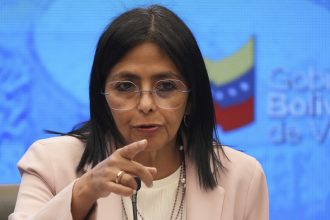
Despite Maduro’s detention, his government remains in control in Caracas. Vice President Delcy Rodríguez has assumed the role of interim leader and has rejected claims that she is prepared to work under US direction.
Rodríguez has insisted that Maduro remains Venezuela’s legitimate president and has condemned the US action as illegal. Seen as one of the more pragmatic figures within the ruling circle, she now faces the challenge of managing internal pressure, international scrutiny and US demands simultaneously.
International Concern Over Legality
The US operation has drawn criticism from several countries, with many questioning the legality of seizing a sitting foreign head of state. United Nations Secretary-General António Guterres described the attack as a dangerous precedent, while the UN Security Council was scheduled to meet on Monday to discuss the situation.
In Washington, opposition Democrats have accused the Trump administration of misleading lawmakers about its intentions in Venezuela. Secretary of State Marco Rubio was expected to brief senior members of Congress later on Monday.
A Fragile Nation at a Crossroads
Once among Latin America’s wealthiest countries, Venezuela has suffered a dramatic economic collapse over the past two decades. Around one in five Venezuelans have fled the country, creating one of the world’s largest displacement crises.
Analysts warn that Maduro’s removal could further destabilise the nation of approximately 28 million people, particularly if political uncertainty is compounded by foreign intervention and internal power struggles.
As Cuba mourns its dead and the international community debates legality and consequences, Venezuela finds itself at the centre of a rapidly evolving crisis with implications far beyond its borders.