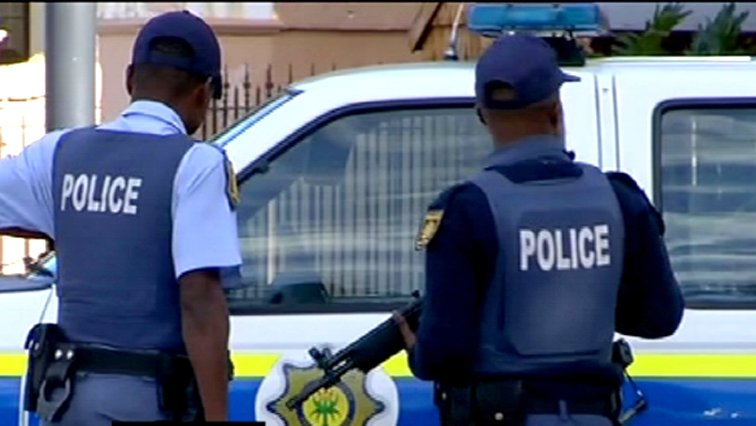
A police sergeant stationed in Brakpan allegedly killed his wife, injured her family members and a domestic worker, before taking his own life in Secunda, Mpumalanga. The Independent Police Investigative Directorate (IPID) has since opened an inquest docket into the case.
IPID spokesperson Lizzy Suping confirmed the incident took place on Monday, August 25, 2025.
Protection order served
According to Suping, earlier in the day the Brakpan Police Station Commander contacted the sergeant, who was on assignment in Tsakane. The commander informed him that a protection order, obtained by his wife, needed to be served. The sergeant was also instructed to surrender his official firearm at the station and provide proof.
Following her engagement with police management, the wife decided to go to her parents’ home.
Shooting at the family home
Suping said the sergeant allegedly followed her there and opened fire, killing his wife and injuring four others — two children aged 15 and 13, the wife’s mother, and the family’s domestic worker.
“All those who survived were taken to various medical centres for treatment,” said Suping.
Escape and suicide in Secunda
After the shooting, the sergeant fled the crime scene in his car. His movements were later traced to Secunda through a vehicle tracking device.
“It is further alleged that when he realised police were on his trail, he turned the gun on himself, killing himself,” Suping added.
Evidence collected at the crime scene
At the Brakpan home, investigators discovered 15 cartridge cases, eight bullet fragments, one live round, and two five-litre bottles of petrol.
Authorities are continuing with investigations while the inquest docket remains open.
Broader context
The tragedy once again raises concerns about domestic violence and the role of firearms in police households. In recent years, South Africa has recorded several similar cases where intimate partner violence has escalated to deadly outcomes.
Support services have urged families affected by gender-based violence to seek help through national hotlines and local NGOs that specialise in crisis support.