The United States Senate has taken a significant step to limit President Donald Trump’s ability to deploy military force in Venezuela, advancing a war powers resolution that would require explicit congressional approval for further hostilities.
In a narrow vote on Thursday, the Senate backed the resolution by 52 votes to 47, just enough to move it forward. All Democrats were joined by five Republican senators in supporting the measure, marking an unusual moment of bipartisan resistance to the Trump administration on matters of national security.
The resolution seeks to block the use of US armed forces in or against Venezuela unless Congress authorises such action. While its advancement represents a political setback for the White House, the legislation still faces major hurdles. It must pass the House of Representatives and be signed into law by the president. With no veto-proof majority in the Senate, the measure is widely expected to face a presidential veto if it reaches Trump’s desk.
Republican senators Rand Paul, Lisa Murkowski, Todd Young, Susan Collins and Josh Hawley broke ranks with their party leadership to vote alongside Democrats. Their support came in the wake of Trump’s announcement that US forces had carried out a large-scale operation in Venezuela, resulting in the capture of President Nicolás Maduro and his wife, Cilia Flores.
Both Maduro and Flores have pleaded not guilty to a range of US federal charges, including narcoterrorism conspiracy and conspiracy to import cocaine. The operation has sparked intense debate in Washington over the scope of presidential authority and the role of Congress in approving military action.
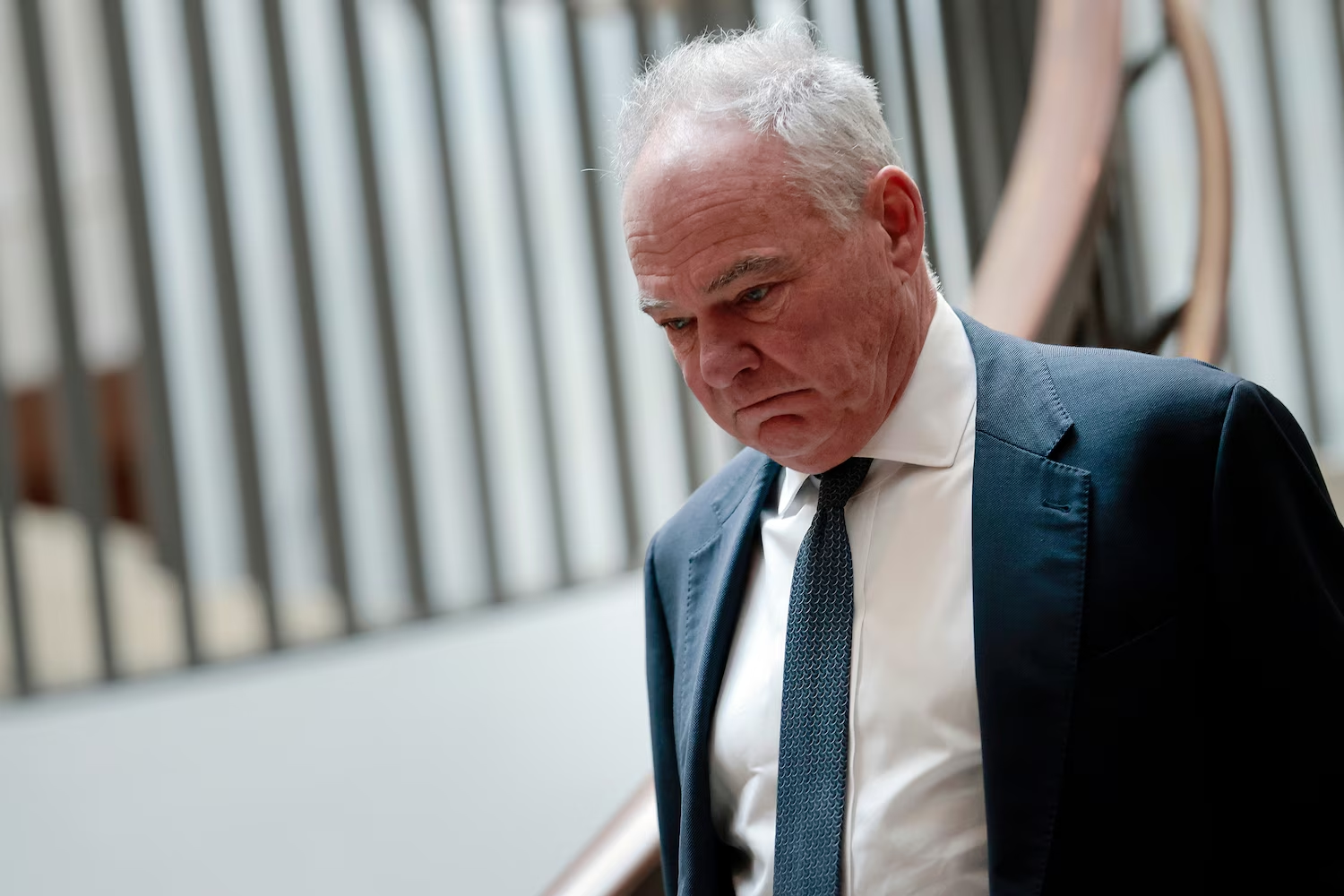
Democratic Senator Tim Kaine, a member of the Senate Armed Services Committee, was a driving force behind the resolution. He pushed for an immediate vote following the Venezuela operation, warning that unchecked executive power could lead to further military engagements without democratic oversight.
In a statement earlier this month, Kaine questioned where such actions might lead next, citing potential deployments to other global flashpoints. He argued that Congress has a constitutional responsibility to authorise decisions that place US service members in harm’s way and said lawmakers had waited too long to reassert that role.
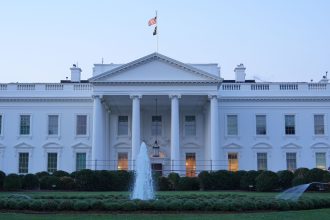
The White House has strongly opposed the resolution. In a memo from the Office of Management and Budget obtained by US media, the administration argued that Maduro’s actions posed an ongoing threat to the United States and the wider Western Hemisphere. The memo stated that if the resolution were presented to the president, advisers would recommend that Trump veto it.
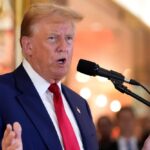
Trump responded angrily after the vote, publicly criticising the Republican senators who supported the measure. In a social media post, he said they should be “ashamed” and warned that the resolution undermined national security and the president’s authority as commander in chief.
The US Constitution grants Congress the power to declare war, while the president serves as commander in chief of the armed forces. Despite this division of authority, successive presidents from both major parties have ordered military actions without prior congressional approval, often citing urgent national security concerns.
The Trump administration has characterised the Venezuela operation as a law enforcement action supported by the military rather than an act of war. Trump has insisted that the US is not at war with Venezuela, although he has suggested that Washington will effectively “run” the country for an unspecified period.
Some Republicans who supported the resolution said their stance did not amount to opposition to Trump’s initial action against Maduro. Instead, they argued that circumstances had changed and that any further military involvement should require congressional consent.
Senator Susan Collins said she backed the operation to detain Maduro but opposed committing additional US forces or entering a prolonged military engagement without authorisation from Congress. Her remarks reflect broader unease among lawmakers about the risk of escalation.
Republican leadership, however, urged senators to reject the resolution. Senate Majority Whip John Barrasso argued that the measure would weaken the president’s constitutional authority and send the wrong message to hostile actors abroad.
As the legislation moves forward, it underscores a renewed struggle between Congress and the White House over war powers, executive authority and accountability. Whether the effort succeeds or stalls, the vote has reopened a long-running debate over how the United States decides when and where to use military force.