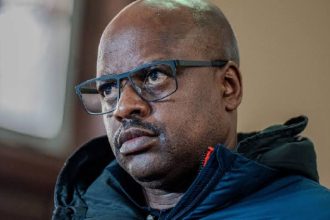
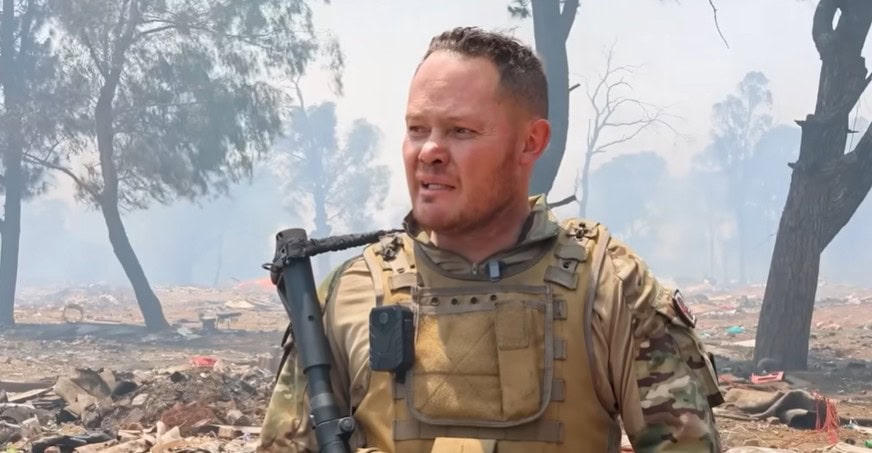
South Africa’s already tense Madlanga Commission—an inquiry probing alleged corruption and abuses within the Ekurhuleni Metro Police Department (EMPD)—has been rocked by the fatal shooting of one of its key whistleblowers.
Police confirmed that a witness linked to the commission was gunned down in Brenthurst, Brakpan, late on Friday. National SAPS spokesperson Brigadier Athlenda Mathe said officers were alerted to the shooting and raced to the scene, where investigations are now underway.
The deceased has been officially identified as private security businessman Marius van der Merwe, whose testimony before the commission last month implicated senior EMPD officials in alleged cover-ups, including accusations that suspended acting chief Julius Mkhwanazi ordered him to dispose of a suspect’s body to hide wrongdoing. It was the kind of allegation that tends to rattle institutions—and evidently some individuals too.
A Whistleblower Who Declined Protection
In an unexpected twist, Justice Minister Mmamoloko Kubayi confirmed that Van der Merwe had explicitly refused formal witness protection offered by the commission.
“He was offered protection, which he declined,” Kubayi said during a weekend briefing. “He didn’t think he needed it, and he runs his own security company.”
According to the minister, the commission’s head of security verified that Van der Merwe rejected all safety measures, expressing confidence in his own security arrangements. It now appears that confidence was tragically misplaced.
Van der Merwe was killed outside his Ekurhuleni home—an event that has jolted the commission and raised uncomfortable questions about how South Africa safeguards individuals who step forward in sensitive corruption investigations.
Identity Leak Sparks Outrage
Kubayi condemned the breakdown in witness anonymity that led to Van der Merwe being publicly identifiable—something she said the commissioners themselves had not intended.
“We are deeply concerned that his identity became known,” she said. “If transparency supersedes protection, we will not achieve witness safety in this country. Our fight against corruption and organised crime will be compromised.”
Initially, the commission planned to hear sensitive testimony behind closed doors, but that decision was reversed after legal threats from media organisations. The government is now pushing for a reassessment of that approach to prevent further risks.
Inquiry Already Under Heavy Scrutiny
Van der Merwe’s murder comes as the commission is scrutinising allegations of political interference and questionable leadership decisions.
This week, suspended Police Minister Senzo Mchunu faced intense questioning over his involvement in disbanding the Political Killings Task Team (PKTT). His testimony followed earlier statements from KZN Police Commissioner Lieutenant-General Nhlanhla Mkhwanazi, who claimed political meddling had deeply hampered police operations.
Mchunu admitted that National Police Commissioner Fannie Masemola—whom he insisted he had “a good working relationship” with—should have been the primary adviser on the PKTT’s future. It was a concession that did little to reduce political heat around the inquiry.
A Case That Grows More Urgent
Van der Merwe’s death now forces a fundamental rethink of South Africa’s witness protection model, especially for whistleblowers in police and political corruption cases.
Kubayi said the government would urgently review how witnesses are identified, how they are protected, and how their testimony is presented to shield them from harm. Her tone underscored the gravity of the situation—this was not a policy footnote but a system failure with fatal consequences.
The commission continues its work, but the killing has cast a long, chilling shadow over all further testimony. As investigators sift through evidence in Brakpan, the question lingers like smoke in the night air: how many more voices will be silenced before the truth is fully uncovered?