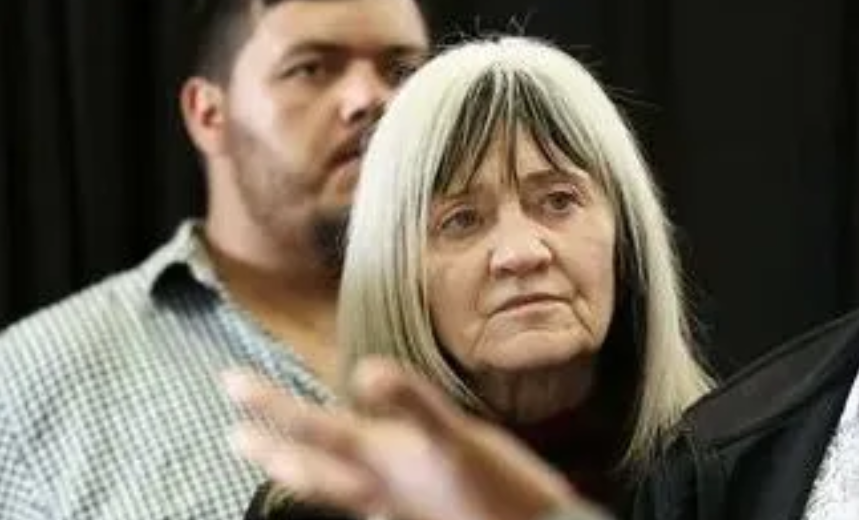
A South African woman, Jacqueline “Jackie” Botha, has sparked national and international controversy after allegations emerged that she may have manipulated the United States refugee resettlement program to join her husband, who has been residing in the US for the past few years.
Botha, a 52-year-old Afrikaner woman from Rowallan Park in Gqeberha (formerly Port Elizabeth), is among a group of 49 white South Africans who recently arrived in the US, claiming racial persecution. The claims have been met with widespread skepticism, particularly on social media, where users have criticized Botha’s motivations and questioned the legitimacy of her application for refugee status.
A “Quiet” Escape from a “Safe” Neighborhood
According to Newzroom Afrika, Botha departed from her home in Rowallan Park—an upper-middle-class suburb known for its tranquility and low crime rate—alongside her three children. The area, described as leafy and family-oriented, is equipped with modern amenities including CCTV security systems, suggesting that safety was likely not a primary concern.
This has fueled doubts around the persecution narrative. Critics argue that Botha’s move was less about escaping danger and more about reuniting with her husband, who has reportedly been living abroad for two to three years. A former employee of Botha corroborated this timeline, further complicating her claims of being a political or racial refugee.
While Gqeberha has its share of socio-economic challenges—particularly in its township regions where gang violence and hijackings are common—Rowallan Park is not typically affected by such issues, making the persecution claim harder to justify.
Online Reaction: Public Dissects the Refugee Claim
Social media erupted after the news broke, with many South Africans ridiculing Botha’s refugee status. One user, @Vugo_Mhaga, quipped, “She wanted a lift to be rejoined with her husband.” Another, @Raul_AJ_1990, wrote, “Rowallan Park. A suburb. Little crime. Definitely no persecution. She just wanted to check up on her husband who stopped answering her calls.”
The online backlash reflects a growing sentiment among South Africans who feel that such claims damage the country’s reputation and potentially exploit international asylum systems that are intended for individuals genuinely fleeing danger.
Despite the ridicule, some observers have urged caution and empathy. “Yes, it sounds opportunistic, but until we know exactly what her circumstances were, we should avoid jumping to conclusions,” said one anonymous commenter on a local news forum.
Government Response: No Persecution of White South Africans
The South African government has rejected any suggestion that white South Africans are victims of systemic persecution. Officials argue that while crime affects all citizens, claims of targeted racial persecution—particularly to gain asylum abroad—are not backed by evidence.
“We categorically deny the narrative that Afrikaners or any racial group is under institutional threat in South Africa,” said a spokesperson for the Department of Home Affairs. “Crime is a national issue, not a racially selective one.”
Diplomatic Coincidence: Ramaphosa Visits the US Amidst Tensions
Ironically, Botha’s story comes at a time of heightened diplomatic engagement between South Africa and the United States. President Cyril Ramaphosa is currently in Washington, D.C., on an official visit aimed at mending strained ties between the two nations.
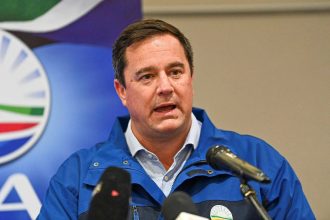
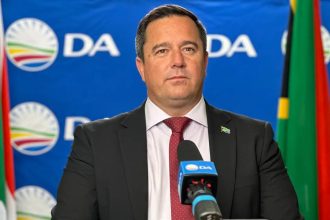
Ramaphosa is accompanied by Democratic Alliance (DA) leader John Steenhuisen, Minister of Trade and Industry Parks Tau, Minister in the Presidency Khumbudzo Ntshavheni, International Relations Minister Ronald Lamola, and newly appointed special envoy to the US, Mcebisi Jonas.
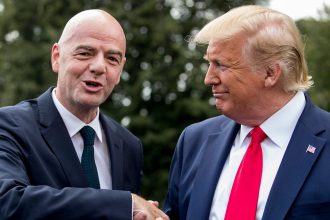
The South African delegation is expected to meet with US President Donald Trump to discuss a variety of issues, including trade relations and the future of preferential trade agreements such as AGOA (African Growth and Opportunity Act).
Speaking ahead of the meeting, Steenhuisen emphasized the importance of securing agricultural trade benefits, noting that losing these could “be disastrous for farmers, farm workers, and the broader economy.”
High Stakes and Political Chess
Political analyst Professor Theo Neethling from the University of the Free State commented on the complexity of the upcoming diplomatic talks.
“Managing perceptions within the Trump administration is vital. Rational explanations alone may not shift entrenched views, so a more targeted engagement strategy is needed,” he said.
Neethling also noted the risk of a “political ambush,” likening Ramaphosa’s visit to a recent high-tension meeting between Trump and Ukrainian President Volodymyr Zelensky. However, he added that Ramaphosa is no stranger to diplomatic pressure and is likely to remain composed.
Broader Implications
While Jacqueline Botha’s individual case may seem personal, it sits at the intersection of migration, politics, and public perception. It raises difficult questions: Where do we draw the line between genuine asylum and opportunism? How do international bodies evaluate asylum claims from countries not in active conflict but with high crime rates or complex social issues?
As South Africa continues to grapple with these internal and external narratives, cases like Botha’s will likely remain contentious—fueling debate across media platforms, living rooms, and courtrooms on both sides of the Atlantic.