
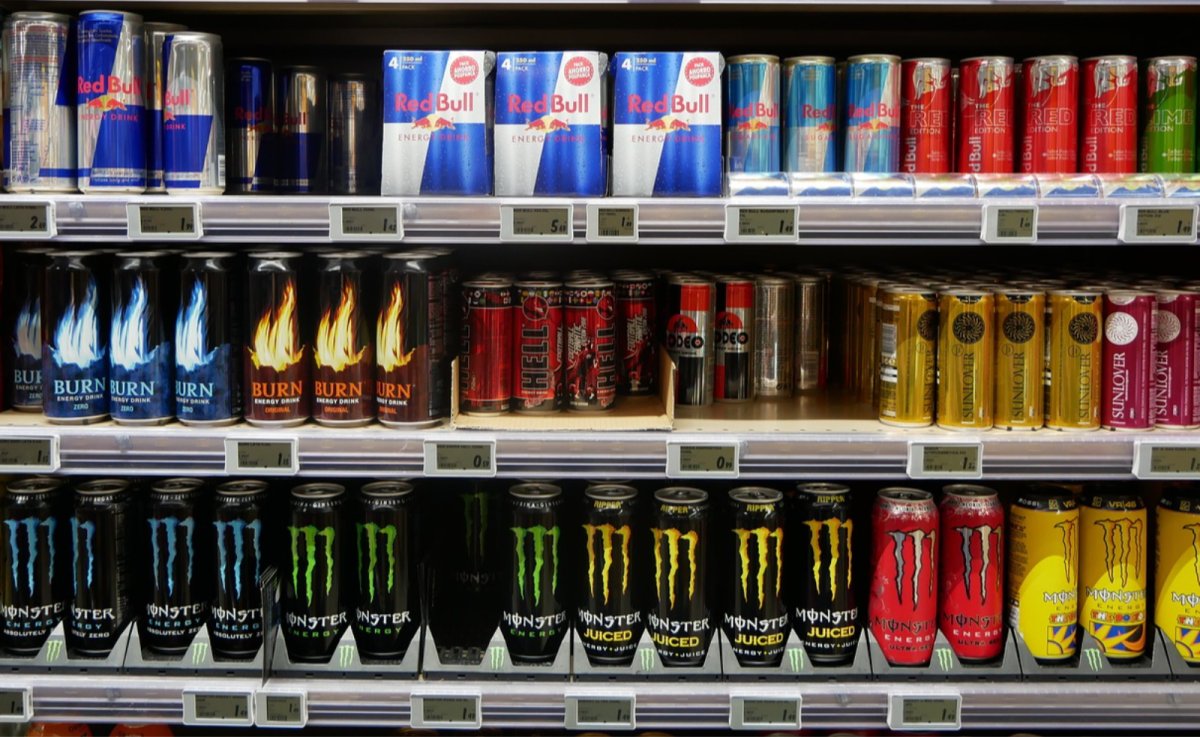
Medical experts have issued an urgent warning about excessive energy drink consumption after a fit and healthy 50-year-old man suffered a life-changing stroke linked to drinking eight energy drinks a day.
The man, who has not been identified, was left permanently unable to fully feel the left side of his body after developing a blood clot in his brain. Doctors were initially baffled by his condition, as he had no underlying health issues and was otherwise considered healthy.
Doctors Shocked by Extremely High Blood Pressure
The patient was rushed to hospital after experiencing weakness and numbness on his left side, along with problems with balance, walking, swallowing and speech.
Tests revealed his blood pressure had skyrocketed to 254/150 mmHg, a level doctors described as dangerously high. Brain scans later confirmed he had suffered a stroke affecting the area responsible for movement and sensory perception.
Although medication initially brought his blood pressure down, it quickly rose again after he was discharged, despite increasing doses of treatment.
Eight Energy Drinks a Day Revealed as the Cause
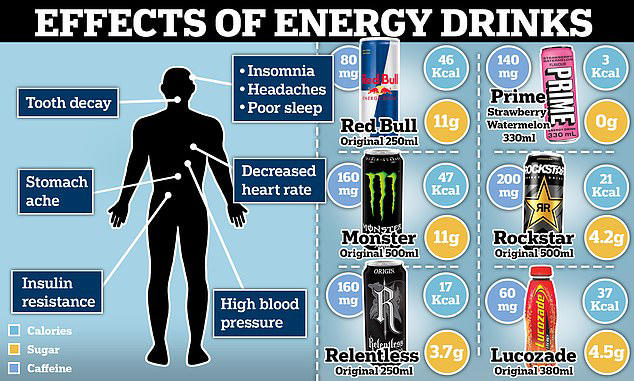
It was only after further questioning that doctors discovered the underlying cause: the man had been consuming an average of eight energy drinks per day, each containing 160mg of caffeine.
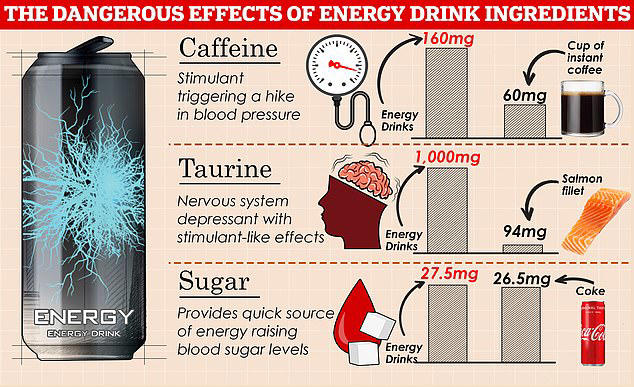
In total, he was ingesting around 1,300mg of caffeine daily — more than three times the recommended maximum intake of 400mg.
Caffeine is a powerful stimulant that causes blood vessels to constrict and heart rate to rise. While short-term spikes in blood pressure are common, long-term excessive intake can cause chronic hypertension, significantly increasing the risk of stroke.
After quitting energy drinks entirely, the man’s blood pressure eventually returned to normal and he was able to stop taking medication.
Permanent Damage Despite Recovery
Despite stabilising his blood pressure, the man never fully recovered.
“I obviously wasn’t aware of the dangers drinking energy drinks were causing to myself,” he said.
“I have been left with numbness on my left hand side, fingers, foot and toes — even after eight years.”
Experts Call for Stricter Regulation
The case, published in BMJ Case Reports, has reignited calls for stricter regulation of energy drinks, which are consumed by more than 1.7 million people in the UK alone.
Energy drinks have already been linked to side effects such as insomnia, headaches, dehydration and rapid heart rate, but experts warn that the cardiovascular risks are still poorly understood by the public.
Although major UK supermarkets introduced a voluntary ban on selling energy drinks to under-16s in 2018, researchers say the potential links to stroke and blood clots, especially in younger people with otherwise low risk, remain under-explored.
Hidden Caffeine a Major Concern
One major issue highlighted by experts is poor labelling practices. While drinks list “pure caffeine” content, other ingredients can contain hidden caffeine, including:
-
Guarana – a plant extract that may contain twice as much caffeine as coffee beans
-
Taurine – an amino acid that can cause nausea, dizziness and heart effects at high doses
-
Ginseng and glucuronolactone, which may amplify stimulant effects when combined
In some cases, energy drinks can contain up to 500mg of caffeine per serving, far more than tea or coffee.
Caffeine Poisoning and Mental Health Risks
Doctors also warn about caffeine poisoning, which can occur when intake exceeds 1,200mg, causing symptoms such as palpitations, anxiety, vomiting and seizures.
A large UK study involving over 1.2 million children found links between energy drink consumption and headaches, stomach aches, sleep disruption, anxiety and depression. Many A&E visits for caffeine toxicity involve young adults who mix energy drinks with alcohol.
How Much Caffeine Is Safe?
According to the NHS:
-
Adults should not exceed 400mg of caffeine per day
-
Pregnant women should limit intake to 200mg per day
-
More than 600mg daily can cause anxiety, insomnia and heart palpitations
-
Energy drinks are unsuitable for children
A Wake-Up Call
Experts say the case should serve as a stark warning that energy drinks are not harmless, especially when consumed in excess over long periods.
“This case highlights the potentially devastating cardiovascular consequences of excessive energy drink intake,” researchers concluded.