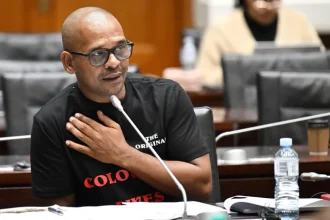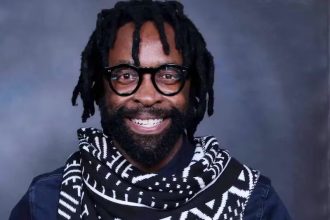
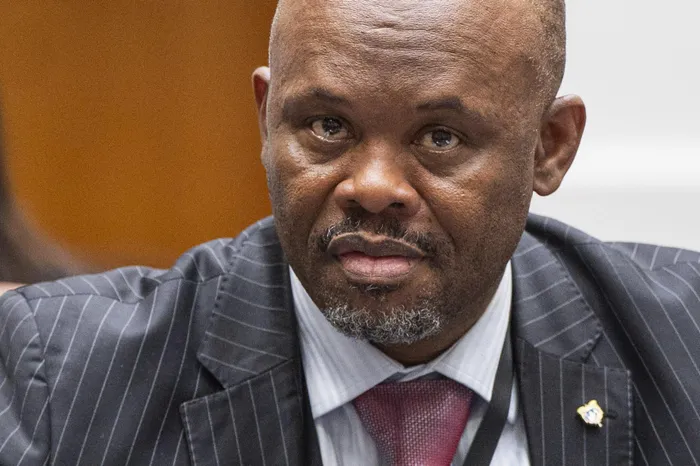
Suspended Deputy National Police Commissioner for Crime Detection, Lieutenant General Shadrack Sibiya, has confirmed that he personally knows both controversial businessman Brown Mogotsi and murder accused Vusimuzi “Cat” Matlala. The revelation came during his testimony before Parliament’s ad hoc committee probing serious claims of political interference and criminal infiltration within the South African Police Service (SAPS).
The committee was established after explosive testimony from KwaZulu-Natal Police Commissioner Nhlanhla Mkhwanazi, who alleged that senior SAPS officials were protecting criminal figures and sabotaging internal operations. His claims, first made at the Madlanga Commission, have since triggered widespread concern about the integrity of the country’s top policing structures.
Sibiya, however, sought to clarify that his contact with the two men was neither personal nor inappropriate. Still, his open acknowledgment of knowing both Mogotsi and Matlala has raised eyebrows, especially since the duo were repeatedly mentioned by Mkhwanazi in connection with organised crime and alleged political patronage.
Speaking before the committee, Sibiya explained that his first contact with Brown Mogotsi came via a phone call in which Mogotsi claimed that Crime Intelligence was investigating Sibiya. Concerned, Sibiya said he promptly reported the call to the National Commissioner, General Fannie Masemola, and kept Mogotsi’s number for official records.
“I know Brown Mogotsi. I know him as an activist from the North West. I did not know him personally, but I Googled him and found a video clip where he was commenting during an interview related to a former premier in the North West,” Sibiya told the committee.
Their first meeting in person took place during the ANC’s January 8 celebration in Cape Town, where Sibiya was attending in an official capacity. Mogotsi suggested meeting for breakfast, but the encounter ended awkwardly when Mogotsi left without paying the bill. “He later called asking me to settle the bill,” Sibiya recounted with a wry smile. “I refused because I didn’t invite him, and I had no obligation to cover his meal.”
As for Vusimuzi “Cat” Matlala, Sibiya said his interactions were limited and entirely professional. Matlala, who faces murder charges, had reached out to Sibiya seeking help after being denied access to a facility despite holding a government tender. Sibiya said he met with him formally in his office, where Matlala requested assistance in confirming a lease.
“I helped by drafting a letter confirming the lease agreement and sent it to the National Commissioner and the Department of Public Works,” Sibiya said, noting that the matter stalled without further instruction. “In total, I have met Mr Matlala five times or fewer. We were not friends — it was merely the beginning of acquaintance.”
Despite these clarifications, Sibiya’s testimony has intensified speculation about the extent of criminal infiltration within the SAPS. His admission provides new weight to Mkhwanazi’s explosive allegations that individuals like Matlala and Mogotsi enjoyed protection from powerful officials, manipulating police operations for personal or political gain.
During his earlier testimony, Mkhwanazi painted a disturbing picture of a police force compromised by corruption and divided loyalties. He alleged that Matlala — widely suspected of running an organised crime network — funded politicians and used high-level connections to evade arrest. Similarly, Mkhwanazi claimed that Mogotsi had access to sensitive police intelligence and often appeared to know about planned operations before they occurred, implying a leak of classified information.
At the Madlanga Commission, Mkhwanazi described instances where operations targeting crime syndicates were deliberately sabotaged, with figures like Mogotsi and Matlala consistently escaping accountability. He warned that their connections to senior politicians presented a grave threat to the operational integrity of law enforcement.
Now, Sibiya’s acknowledgment of knowing both men — however casual — has deepened public concern about political and criminal influence within the police service. The parliamentary inquiry is expected to continue questioning key witnesses in the coming weeks, as pressure mounts for a transparent accounting of how far the rot has spread.
While Sibiya maintains that his conscience is clear, the broader picture emerging from Parliament suggests that the lines between power, policing, and politics may have blurred more dangerously than anyone expected.