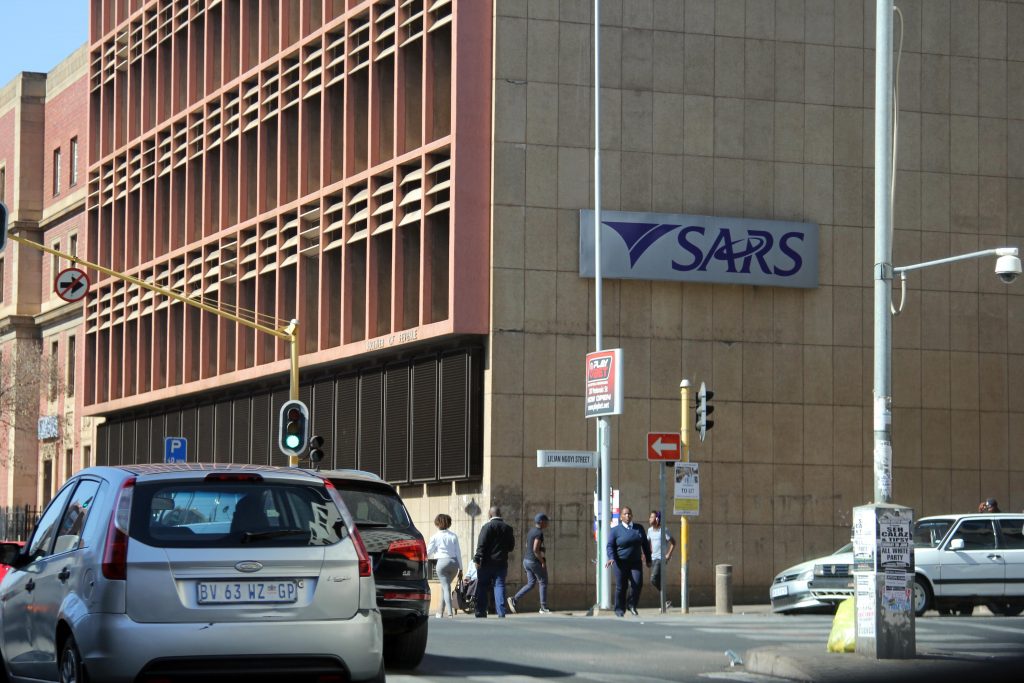
South Africa’s revenue and anti-corruption authorities have secured a landmark conviction that signals a tougher era for fraudsters abusing public procurement and evading tax obligations.
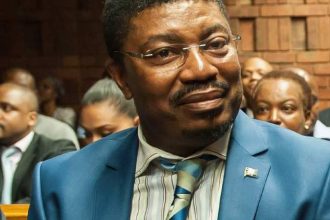
In a joint media statement released on 9 December 2025, the Investigating Directorate Against Corruption (IDAC), working alongside SARS and other law-enforcement agencies, announced the successful prosecution of Tshepo Khoza, director of Grey Apple Trading Enterprise (Pty) Ltd.
Khoza was sentenced to six years’ direct imprisonment, with two years suspended, after being convicted on multiple counts of fraud and tax evasion involving approximately R3.6 million.
Fraud linked to SAPS forensic contracts
Grey Apple Trading Enterprise had secured tenders from the South African Police Service (SAPS) under the DNA Project for its Forensic Science Laboratory (FSL). Investigators found that the contracts were allegedly awarded due to Khoza’s family connection to a senior SAPS official.
Despite earning substantial income from these contracts between 2015 and 2018, Khoza declared his company dormant, failed to register for VAT, and did not declare the revenue to SARS.
The conviction follows lengthy investigations conducted under Project Blue Lights, an initiative focused on uncovering procurement-related corruption and tax non-compliance.
Tax fraud framed as theft from the public
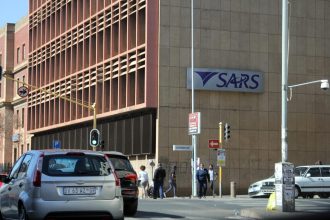
SARS Commissioner Edward Kieswetter described tax fraud as a direct theft from the national fiscus, emphasising that such crimes deprive citizens of funding for essential services such as education, healthcare and social support.
SARS confirmed it is actively applying provisions of the Tax Administration Act (TAA) to pursue individuals behind non-compliant companies. Section 180 of the TAA allows SARS to hold individuals personally liable for a company’s tax debt if they control or influence its financial affairs and act negligently or fraudulently.
This liability can extend beyond directors to shareholders, financial managers and even informal advisers involved in decision-making.
Personal liability and criminal consequences
SARS’s enforcement powers extend further under Sections 153 to 155 of the TAA, which impose personal liability on representative taxpayers responsible for managing a company’s tax affairs, including public officers.
In addition to civil recovery, SARS may pursue criminal charges. Section 234 of the TAA classifies certain acts of tax non-compliance as criminal offences, punishable by fines or imprisonment of up to two years, while Section 235 provides for sentences of up to five years for tax evasion and fraudulent refund claims.
A new phase in anti-corruption enforcement
Authorities said the significance of the Khoza conviction lies not only in the sentence but in the coordinated approach taken by the state.
IDAC has been strengthened as a permanent institution with full investigatory and prosecutorial powers, enabling closer cooperation with SARS and other agencies to dismantle corruption networks linked to public procurement.
Officials described the case as evidence that corruption is no longer being treated as a cost of doing business, but as a serious criminal liability with real consequences.
Further proceedings expected
While Khoza has been sentenced, his broader corruption trial involving additional accused persons is scheduled to resume in February 2026.
Law-enforcement authorities warned that delays in high-profile corruption cases risk undermining public confidence, stressing the need for swift and transparent accountability.
Compliance is no longer optional
SARS cautioned that even negligent non-compliance can now result in criminal prosecution, urging taxpayers to respond promptly to any correspondence from the revenue authority.
Officials reiterated that attempting to conceal wrongdoing only worsens legal consequences, while lawful engagement remains the only viable path to compliance.