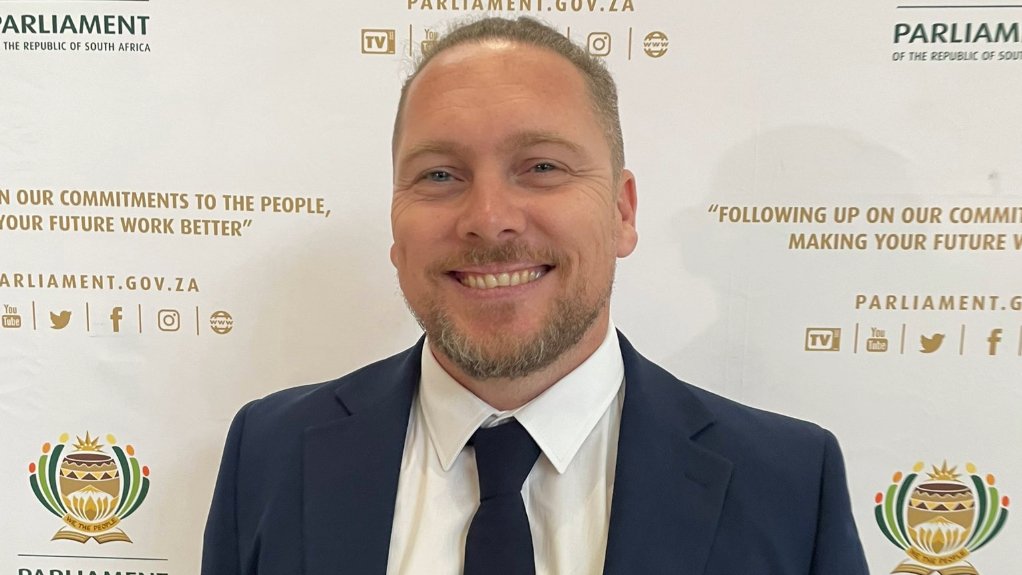
Former South African politician and YouTuber Renaldo Gouws is facing renewed criticism after social media posts widely interpreted as body-shaming Dr Zanele Bikitsha, a medical professional and senior figure within the South African Medical Association (SAMA).
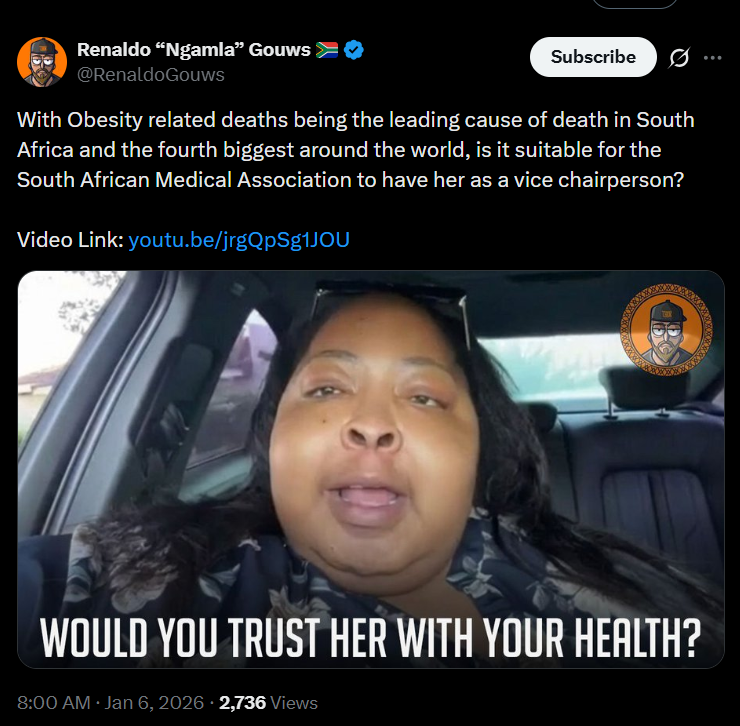
In a post shared on social media, Gouws questioned Dr Bikitsha’s suitability to serve as vice chairperson of SAMA, writing:
“With obesity-related deaths being the leading cause of death in South Africa and the fourth biggest around the world, is it suitable for the South African Medical Association to have her as a vice chairperson?”
Critics argue that the post reduces a qualified medical professional to her body size, reinforcing harmful stereotypes and contributing to a broader culture of online harassment.
Body-Shaming and Cyberbullying in South Africa
Body-shaming and cyberbullying have become persistent problems in South Africa’s online spaces, particularly on platforms where political and racial tensions are already high. Health experts and social activists warn that conflating personal appearance with professional competence not only stigmatizes individuals but also undermines public discourse around health.
Obesity is a complex medical and socio-economic issue, and medical professionals have repeatedly stressed that weight alone is not an indicator of expertise, leadership ability or ethical standing.
Who Is Renaldo Gouws?
Renaldo Gouws, born on 2 May 1983, is a South African YouTuber, industrial psychologist and former politician. In 2024, he briefly served as a Member of the National Assembly before resigning following controversy linked to past videos.
Gouws was expelled from the Democratic Alliance (DA) and resigned from Parliament after archived footage from 2010 resurfaced. In the video, published by Independent Online, he used racial slurs and made statements calling for violence against black people. Gouws later claimed the remarks were made to contextualise his anger at then ANC Youth League leader Julius Malema’s use of the song “Kill the Boer”, and that he did not literally mean the statements.
Despite this explanation, he has been formally charged with racism, hate speech and incitement to violence. He has also faced accusations of homophobia, with additional videos circulating in which he uses derogatory language.
Following the 2024 general election, Gouws was sworn in again as a DA Member of Parliament but was suspended just days later after the resurfacing of the alleged racist content.
Social Media as a “Safe Space” for Hate
Observers say the latest controversy fits into a broader pattern where social media platforms have become spaces where extreme, offensive or discriminatory views are expressed with little accountability.
With South Africa’s racial climate already strained, online narratives around so-called “white genocide”, amplified by international figures such as US president Donald Trump and fringe platforms like AfriForum-linked pages, have further inflamed divisions.
Analysts warn that figures with existing followings, such as Gouws, can unintentionally or deliberately legitimise harmful discourse, attracting audiences who see these platforms as safe environments to express racist, sexist or demeaning views.
Calls for Accountability and Ethical Debate
Civil society groups and healthcare advocates argue that criticism of institutions like SAMA should focus on policy, governance and professional conduct — not personal characteristics. They also warn that public body-shaming, especially when directed at women, reinforces gender-based harassment and discourages qualified professionals from public service.
As South Africa continues to grapple with online abuse, the incident has renewed calls for stronger platform moderation, ethical leadership and a clearer distinction between legitimate critique and harmful personal attacks.