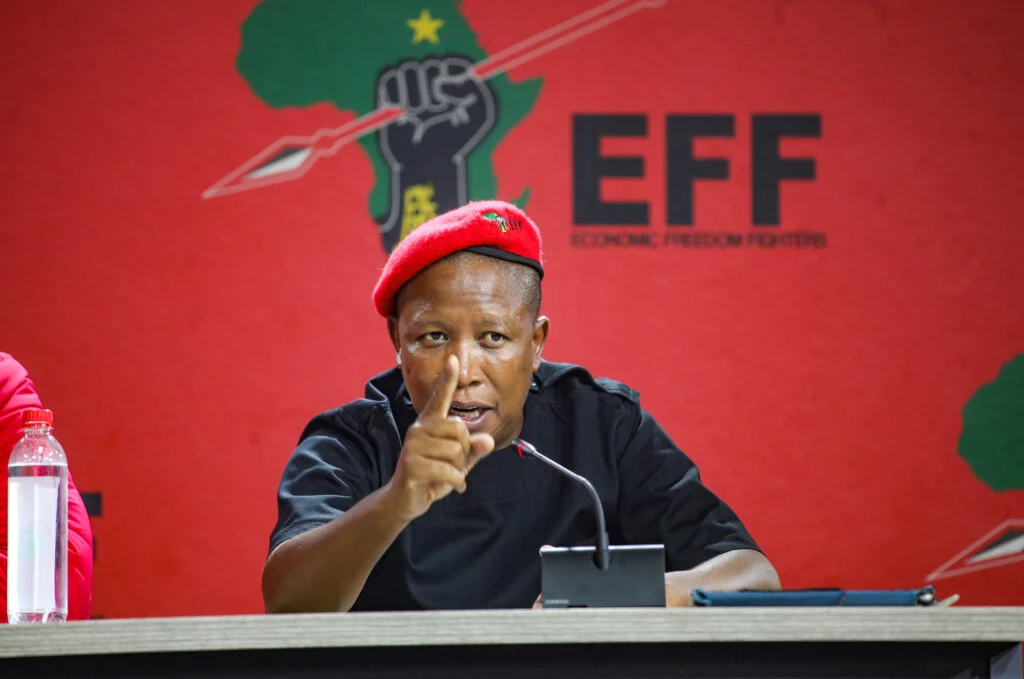
Economic Freedom Fighters (EFF) leader Julius Malema launched a sharp critique of the United States and President Donald Trump on Friday, 30 January 2026, during his address at the EFF Plenum held at the OR Tambo Conference Centre.
Speaking to party delegates, Malema accused the United States of being a central force behind what he described as growing global instability, arguing that aggressive capitalism and imperialist ambitions were now turning on themselves. He told the gathering that the Western capitalist system was “eating itself alive” and claimed the US stood at the heart of that collapse.
Malema argued that American foreign policy was driven less by democratic ideals and more by the desire to control markets, natural resources and global trade routes. According to him, this approach had led to territorial divisions, political instability and the growing influence of multinational corporations at the expense of sovereign states.
Criticism of Trump’s leadership style
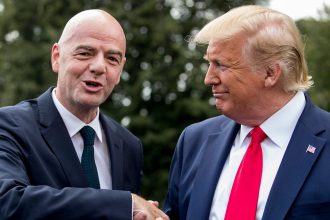
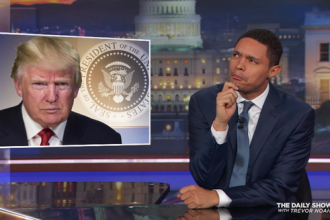
Turning his attention to Donald Trump, Malema described the US president as reckless and dismissive of international law, economic logic and political science. He said Trump’s approach to leadership exposed deeper problems within the global capitalist order, warning that it had created what he called a “global crisis” after decades of Western dominance.
However, Malema was careful to frame Trump not as an exception, but as a product of American history. He argued that the United States had consistently acted in an imperialist and destabilising manner, long before Trump entered politics. The difference, he said, was that under Trump, US foreign policy was pursued openly and unapologetically, without what he termed “pretences of peace”.
In a remark that drew murmurs from delegates, Malema suggested that Trump merely said aloud what previous administrations had quietly practised, making US intentions more visible to the rest of the world.
Historical references and military interventions
Malema referenced the atomic bombings of Hiroshima and Nagasaki as examples of what he described as America’s legacy of violence. He accused the US of continuing this legacy through modern military interventions across the globe, arguing that such actions had contributed to long-term instability rather than peace.
He also criticised Washington’s support for Israel, particularly in relation to the ongoing conflict in Palestine. Malema reiterated the EFF’s long-standing position in support of the Palestinian cause, describing US backing of Israel as part of a broader pattern of selective morality in international relations.
While the subject remains deeply sensitive, Malema’s comments reflected wider debates within South Africa about global power, human rights and the role of major world powers in ongoing conflicts.
South Africa–US relations and the Palestine question
Addressing diplomatic relations, Malema dismissed expectations that ties between South Africa and the United States would improve following Trump’s presidency. He argued that tensions would persist regardless of who occupies the White House, as long as South Africa maintains its support for Palestine.
According to Malema, the issue was not about personalities, but about principles. He suggested that South Africa’s foreign policy stance, particularly its alignment with oppressed peoples, would continue to clash with US strategic interests.
A familiar message to a loyal audience
Malema’s address was met with strong applause from EFF delegates, many of whom view his critique of Western capitalism and imperialism as central to the party’s identity. While his rhetoric remains controversial in international circles, it resonates with supporters who see global inequality as rooted in historical power imbalances.
As global politics continue to shift, Malema’s comments at the EFF Plenum underscore South Africa’s ongoing engagement with international debates around capitalism, imperialism and human rights, even when those views place it at odds with powerful nations.