South Africa’s Competition Commission has approved, without conditions, the acquisition of global gaming company Electronic Arts (EA) in a deal valued at approximately R860.8 billion. The transaction is being led by Saudi Arabia’s sovereign wealth fund, marking another major step in the kingdom’s push to expand its footprint in the global gaming and interactive entertainment industry.
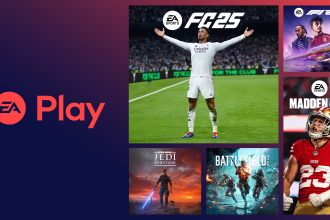
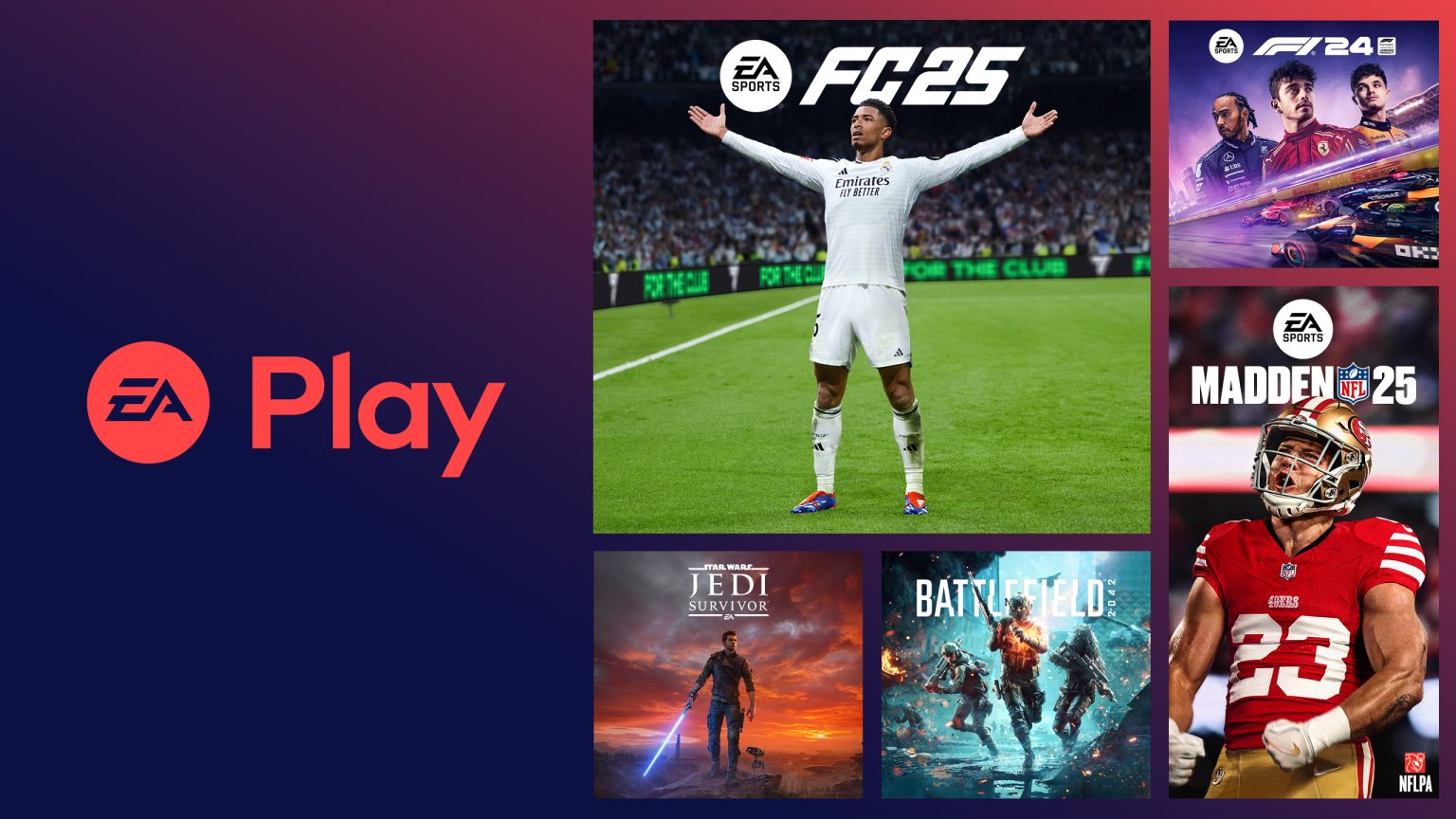
Electronic Arts, headquartered in Redwood City, California, is one of the world’s largest video game publishers. Its portfolio includes well-known franchises such as EA SPORTS FC, Madden NFL, Apex Legends, Battlefield and The Sims, titles that collectively reach hundreds of millions of players worldwide.
The acquisition follows an offer of R3 277 per share to EA shareholders, which was approved during a shareholder vote held on 22 December 2025. The deal represents a significant shift for the 40-year-old company, which will now transition from a publicly traded firm to a privately owned entity.
According to the Competition Commission, the transaction involves Oak-Eagle AcquireCo, a special-purpose vehicle incorporated in the US state of Delaware, acquiring Electronic Arts. The Commission noted that Oak-Eagle AcquireCo does not control any firms in South Africa and was established solely to facilitate the transaction.
In its assessment, the Commission considered the activities of both the acquiring group and EA, particularly in relation to the supply of video games for mobile device applications. It concluded that the transaction is unlikely to substantially lessen or prevent competition in any relevant market.
“The Commission is of the view that the proposed transaction is unlikely to substantially lessen or prevent competition in any relevant market,” it said. “The proposed transaction does not raise significant public interest concerns.”
The Commission also noted that Electronic Arts is not controlled by any single shareholder and does not control any firms operating in South Africa, further reducing the likelihood of competition-related risks within the local market.
Industry analysts have suggested that taking EA private could give its developers greater freedom to focus on long-term game development, rather than being driven by the short-term financial pressures often associated with quarterly reporting to public investors.
The approval comes amid broader changes within Saudi Arabia’s gaming investment strategy. Last week, Bloomberg reported that the Public Investment Fund (PIF) is transferring gaming-related shareholdings worth about R187.8 billion to its subsidiary, Savvy Games Group. These holdings include stakes in major international companies such as Nintendo and Bandai Namco.
Once the transfers are finalised, Savvy Games Group is expected to hold roughly 10% stakes in several prominent gaming firms, including Koei Tecmo, NCSoft, Nexon and Square Enix. Savvy was established in 2021 as part of Saudi Arabia’s efforts to diversify its economy away from oil and build a global presence in gaming and esports.
With an investment mandate of around R594.7 billion, Savvy has already made significant acquisitions, including mobile gaming studios behind titles such as Monopoly Go and Pokémon Go, as well as several esports organisations. While some of these investments have performed strongly, others, particularly in esports, have faced challenges, including staff reductions.
Despite being the largest investor in the Electronic Arts acquisition, Bloomberg reported that Savvy Games Group is not directly involved in the EA transaction. Regulatory filings show that the PIF has already transferred its shares in Take-Two Interactive Software to Savvy, reinforcing the group’s role as the primary vehicle for the fund’s gaming investments.
Savvy Games Group spokesperson Amar Batkhuu said the transfer of gaming assets had been planned for some time and would not alter the company’s investment strategy.
“These transfers will move the stewardship of PIF’s games investments to Savvy, given Savvy is a leading games organisation for the PIF and a core component of the National Gaming and Esports Strategy,” Batkhuu said.
With regulatory approval now secured in South Africa, the Electronic Arts deal moves a step closer to completion, underscoring the growing influence of Middle Eastern capital in the global gaming industry and signalling continued consolidation in the sector.