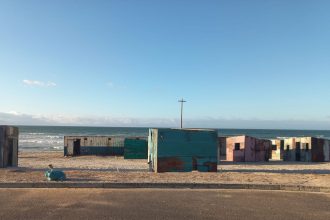
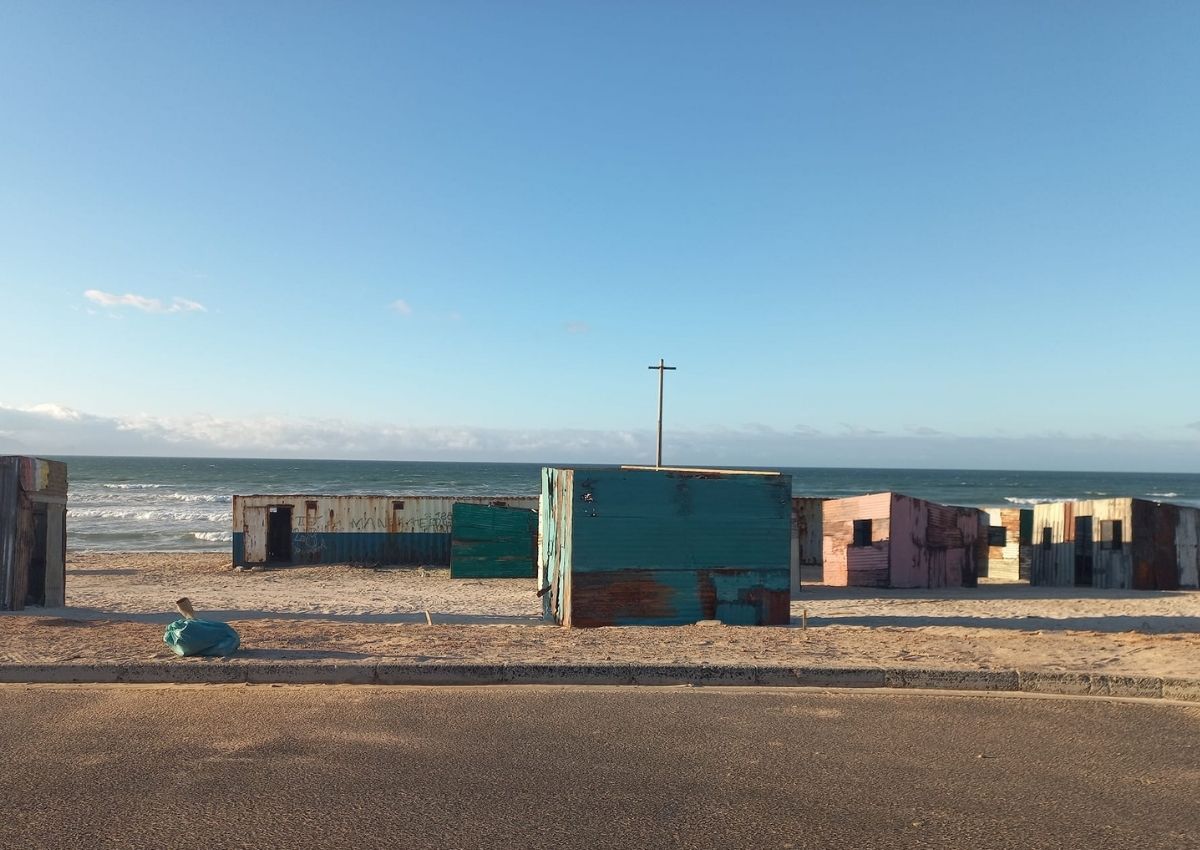
A video showing a man doing touch-ups on a newly erected shack on a Cape Town beach has sparked outrage and renewed fears about land invasions and the protection of sensitive coastal areas.
The clip, shared on 18 February 2026 by an X user, shows the man claiming he recently moved into the Macassar Dunes area and is now just a five-minute walk from the ocean.
The footage quickly circulated online, prompting widespread criticism and debate about enforcement and environmental protection.
The new beachfront property development in Cape Town. pic.twitter.com/ebDwfQJkQk
— Sentletse 🇿🇦🇷🇺🇵🇸🇱🇧 (@Sentletse) February 18, 2026
Concerns Over Land Invasions
The structure appears complete in the video, with the man presenting it as his new beachfront home. He boasts about the location and suggests that more people could soon follow.
The incident reportedly took place in Macassar, an area known for its fragile dune system and sweeping views of Table Mountain.
The video has raised fresh concerns about land invasions and the safeguarding of coastal spaces in the Western Cape.
Protected Coastal Zone
Macassar Dunes form part of a protected coastal zone managed by the City of Cape Town. The area plays a vital role in biodiversity conservation and acts as a natural buffer against storm surges and coastal erosion.
Environmental activists have long warned about informal structures creeping into sensitive ecological zones. Over the years, Cape Town has faced several land invasion attempts, often requiring authorities to intervene and remove structures built without permission.
The city has maintained that unregulated settlements in protected areas pose risks to public safety and environmental sustainability.
City Response Sparks Backlash
The City of Cape Town entered the online conversation through its official social media account, asking users to share the exact location of the shack so officials could investigate.
However, the response drew criticism from many locals, who accused the metro of not being aware of developments happening in its own jurisdiction.
The incident has reignited broader debates around urban land pressures, housing shortages and the delicate balance between human settlement needs and environmental protection — a tension that continues to shape coastal cities worldwide.
Coastal dunes are basically nature’s shock absorbers — messy, windy, alive with hidden ecosystems — and once they’re compromised, the repair bill isn’t just financial, it’s ecological time measured in decades.