French media giant Canal+ has officially withdrawn its naming rights sponsorship of the DStv Delicious International Food and Music Festival, marking a significant shift in South Africa’s entertainment landscape.
The move comes as part of a broader cost-cutting strategy following Canal+’s takeover of MultiChoice, the parent company behind the DStv brand.
Cost-Cutting Measures Begin to Reshape Strategy
The decision signals a tightening of budgets as Canal+ begins restructuring operations and streamlining spending across its newly acquired assets.
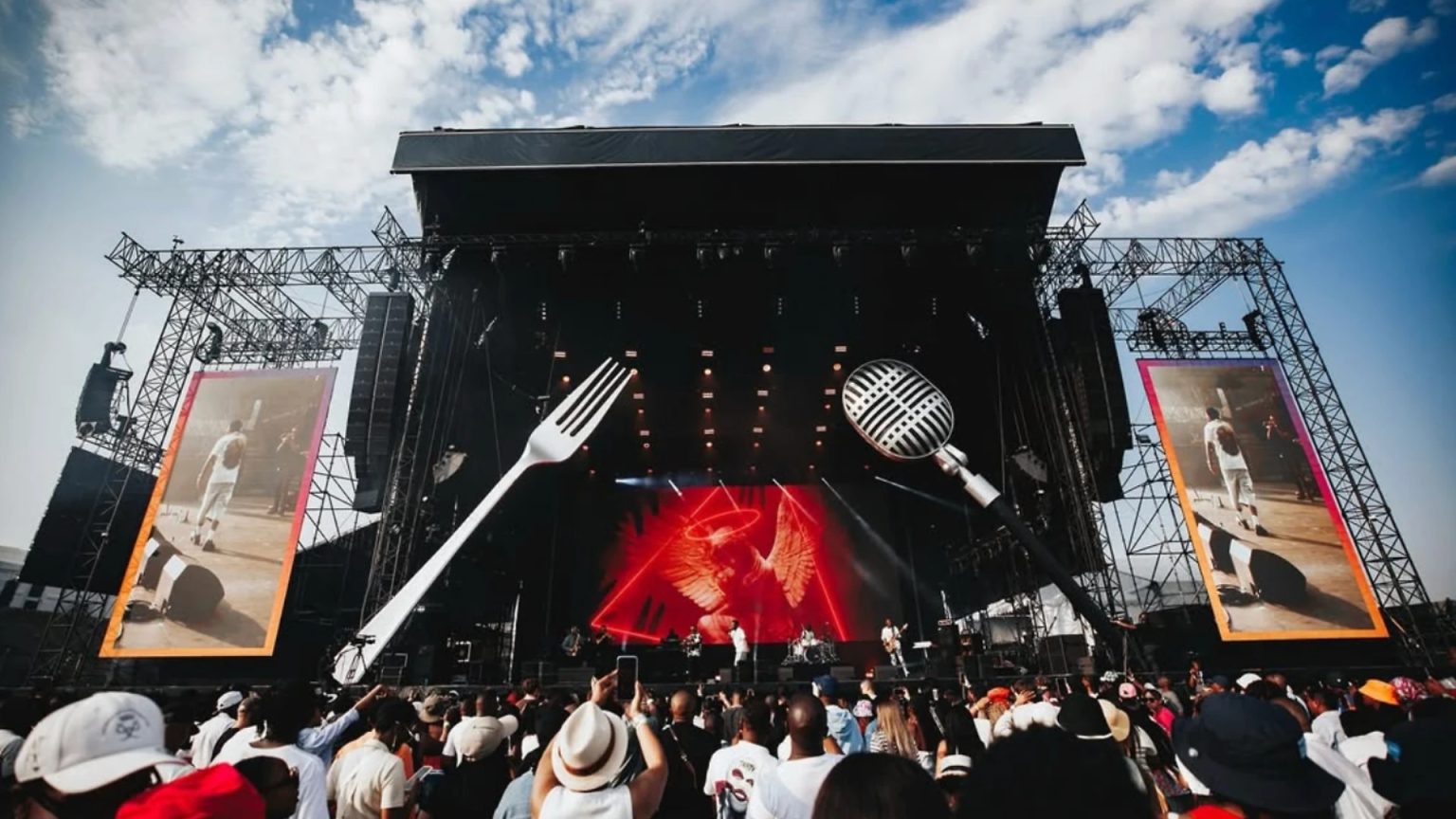
While the DStv Delicious Festival has become one of the country’s most recognisable lifestyle events—blending food, music, and culture—the withdrawal highlights a shift in priorities under new ownership.
Industry insiders suggest the company is reassessing high-cost marketing and sponsorship deals in favour of more targeted, performance-driven investments.
A Blow to One of SA’s Flagship Lifestyle Events
The DStv Delicious Festival has grown into a major annual attraction, drawing thousands of attendees and featuring:
- International and local music acts
- Celebrity chefs and food experiences
- Brand activations and lifestyle showcases
Losing a naming rights sponsor of Canal+’s scale could impact the festival’s branding, funding, and future direction.
However, organisers are expected to seek alternative partnerships to sustain the event’s momentum.
What This Means for MultiChoice Under Canal+
Since acquiring MultiChoice, Canal+ has moved quickly to optimise costs and improve operational efficiency.
The withdrawal from a high-profile sponsorship deal suggests:
- A focus on financial discipline post-acquisition
- A shift away from legacy branding strategies
- Possible restructuring of marketing budgets across DStv platforms
This aligns with global trends in the media industry, where companies are increasingly prioritising profitability amid rising content and distribution costs.
Broader Impact on SA’s Entertainment Industry
The decision could have ripple effects beyond a single event.
Major sponsorships play a key role in sustaining South Africa’s events industry, particularly in sectors like music, food, and tourism.
If other corporations follow suit, the industry may face:
- Reduced funding for large-scale events
- Increased reliance on ticket sales and smaller sponsors
- Greater pressure on organisers to innovate and diversify revenue streams
Analysis: Strategic Shift or Warning Sign?
While Canal+’s move may be viewed as a standard post-acquisition adjustment, it also raises questions about the future of large-scale sponsorships in South Africa.
Is this a temporary cost-saving measure—or a sign of a deeper shift in how media companies engage with live events?
For now, the decision reflects a clear priority: stabilising finances and redefining value in a competitive media environment.
What Happens Next?
Key developments to watch include:
- Whether a new naming sponsor steps in for the festival
- Further cost-cutting measures at MultiChoice
- Canal+’s long-term strategy for the DStv brand
- The festival’s ability to maintain its scale and appeal
For fans and industry players alike, the future of one of South Africa’s most beloved festivals now hangs in the balance.