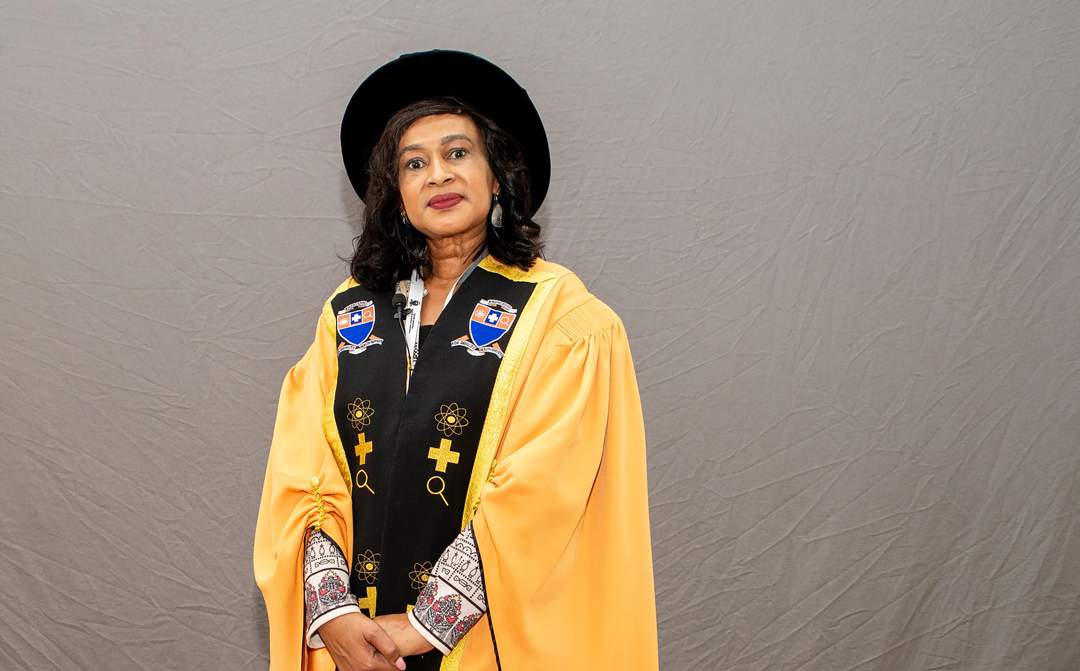
Sefako Makgatho Health Sciences University (SMU) has been thrust into the spotlight following allegations of serious irregularities in a R36 million student transport tender, placing Vice-Chancellor Professor Tandi Matsha-Erasmus under growing scrutiny.
The controversy, which surfaced in December 2025, centres on claims that procurement processes were manipulated to favour certain service providers, raising renewed concerns about governance and transparency within South Africa’s higher education sector.
SMU, located in Ga-Rankuwa near Pretoria, serves approximately 7,000 students, most of whom rely heavily on university-provided transport to access campus and nearby clinical training facilities such as Dr George Mukhari Academic Hospital.
Allegations of tender manipulation
According to whistleblowers and internal documents leaked to the media, the student transport tender — initiated in mid-2025 — allegedly deviated from Public Finance Management Act (PFMA) requirements.
The tender process reportedly involved:
-
An open call for bids from transport service providers
-
Evaluation based on pricing, safety records, fleet quality, and compliance
-
An award stage where top-scoring bidders were allegedly sidelined
Sources claim that senior university officials intervened during the evaluation phase, pressuring procurement committee members to alter scores, disqualify competitors on technical grounds, and approve a preferred bidder.
Student representatives reportedly rejected some of the buses supplied under the awarded contract, citing poor condition and safety concerns, yet the contract allegedly proceeded regardless.
Vice-Chancellor’s role questioned
Professor Matsha-Erasmus, who assumed office as Vice-Chancellor on 1 June 2025, is alleged to have played a central role in the process, either directly or through senior administrators linked to her office.
A respected academic and former Deputy Vice-Chancellor for Academic and Research, her appointment was initially welcomed as a new chapter for the institution. However, these allegations have cast a shadow over her tenure less than a year into the role.
No formal charges have been laid against her at this stage.
Student protests and unrest
The allegations have sparked student anger and protest, with demonstrations disrupting campus operations earlier this year. Students argue that funds earmarked for safe and reliable transport are being misused, placing lives at risk.
Many SMU students come from low-income households and depend on NSFAS funding, making dependable transport essential for attendance and clinical training requirements.
Calls for investigation
Pressure is mounting on the Department of Higher Education and Training (DHET) to intervene, with growing calls for a Special Investigating Unit (SIU) probe into the tender.
The SIU has, in recent years, recovered hundreds of millions of rand from universities implicated in procurement irregularities, particularly involving NSFAS-linked contracts and infrastructure deals.
University response
As of early 2026, SMU has not issued a detailed public response specifically addressing the R36 million transport tender allegations. Previous statements from the institution have denied wrongdoing in unrelated procurement matters.
A wider crisis in higher education
The SMU allegations come amid a broader pattern of governance failures across South African universities, including procurement scandals at institutions such as Unisa and repeated findings of financial mismanagement uncovered by state investigators.
Analysts warn that unchecked corruption in university procurement not only wastes public funds but directly harms students, particularly in historically disadvantaged institutions tasked with training critical professionals.