Canada and the United States once enjoyed a trade relationship often described as the envy of the world. That era is fading fast. Donald Trump’s return to power has strained the long-standing bond between the two neighbours, shifting Canadian public sentiment away from the United States and creating uncertainty around one of the continent’s most important economic agreements.
At the centre of this growing rift is the future of the United States–Mexico–Canada Agreement (USMCA), known in Canada as CUSMA. The deal came into effect in 2020, replacing NAFTA, and was originally negotiated during Trump’s first administration. Although the agreement is only set to expire in 2036, it includes a mandatory joint review every six years — a built-in safeguard meant to allow updates and prevent long-term stagnation.
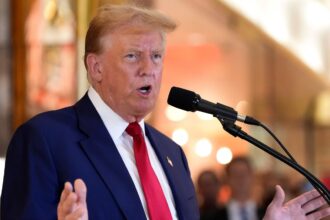
The first review arrives in July 2026. Based on Trump’s recent comments, the upcoming process could be explosive. Speaking to reporters at the White House on 3 December, Trump made it clear he is open to letting the deal collapse. He suggested that either a new agreement might be forged with Canada and Mexico, or the existing one could simply be allowed to expire. He also repeated a familiar accusation: that both neighbouring countries, like many others, had long “taken advantage of the United States,” blaming previous American leadership for allowing it.
For Canada, the stakes are enormous. A major portion of the country’s economic stability depends on its ability to export goods to the US. According to Fitch Ratings, 81% of Canadian exports heading south in August 2025 fell fully within CUSMA’s compliant rules — a dramatic rise from 56% just a few months earlier. That compliance has shielded Canada from the bulk of Trump’s tariff policies, preventing what could have been a devastating economic shock.
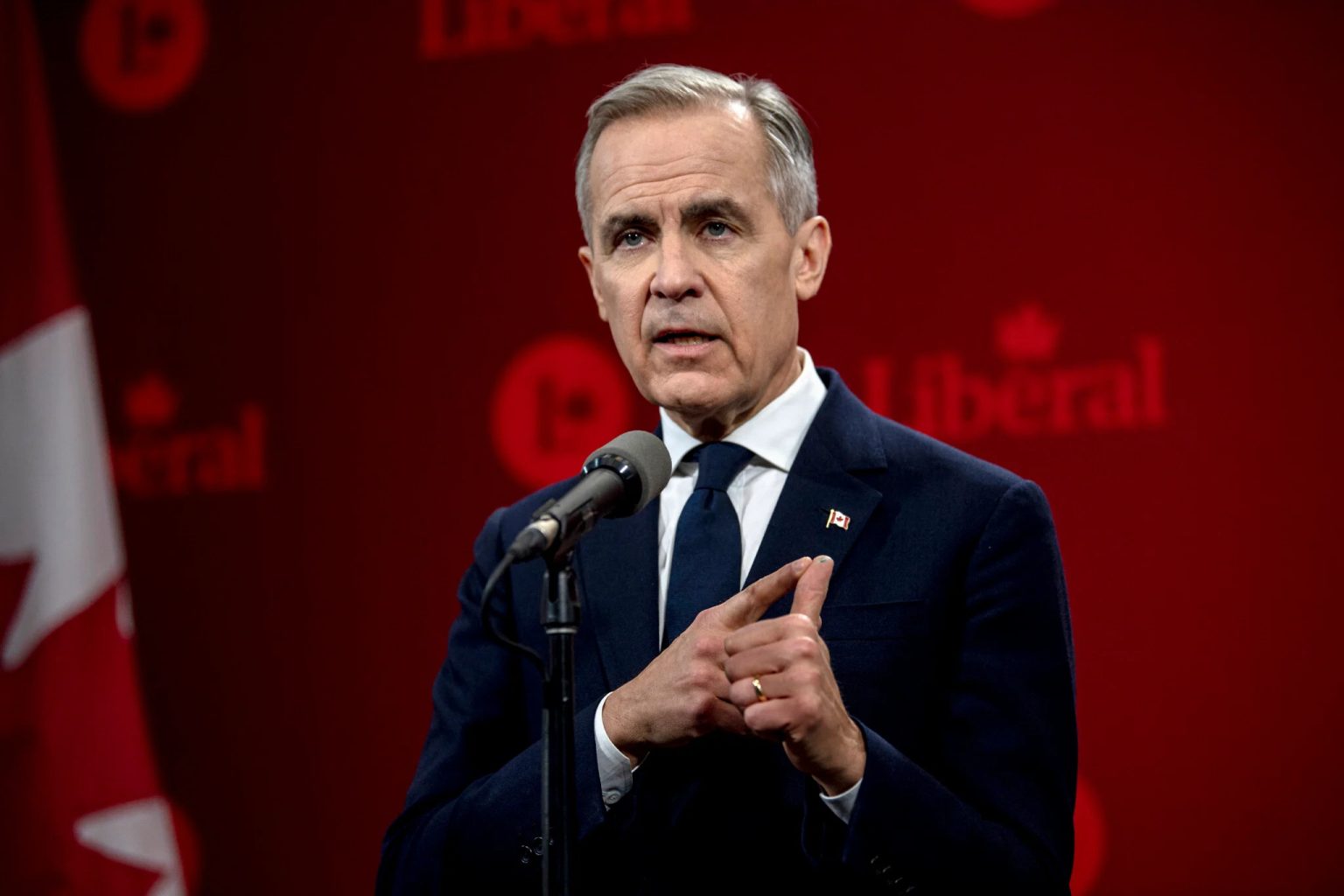
Even Prime Minister Mark Carney highlighted this cushion, noting in September that Canada’s effective tariff rate had settled around 5.5%, one of the lowest globally at the time. This protective layer has been crucial in keeping Canadian industries steady throughout Trump’s shifting trade strategies.
However, diplomatic signals from Washington have not been entirely consistent. While Trump publicly entertains the possibility of terminating CUSMA, his Ambassador to Canada, Pete Hoekstra, has offered a more nuanced view. In a detailed interview with the National Post, Hoekstra stressed that although the upcoming review allows for termination, modification, or continuation of the agreement, Trump does not actually wish to end it.
Hoekstra cautioned that citizens on both sides of the border should prepare for a wide spectrum of outcomes. The review will explore every possible direction — including reforms, adjustments, and yes, the theoretical end of the deal. Still, the ambassador emphasised that termination is not the preferred outcome for the United States.
Ultimately, the real consequences of Trump’s posture won’t be known until the 2026 joint review concludes. For now, the longstanding trade partnership remains intact — but the diplomatic ground beneath it is shifting. Both nations face a period of uncertainty where even slight changes to CUSMA could reshape North America’s economic future.