South Africa is set to reopen a painful chapter of its past as the judicial commission of inquiry into the Truth and Reconciliation Commission (TRC) cases begins on Monday morning. The inquiry will examine alleged political interference in investigations of apartheid-era crimes referred to the National Prosecuting Authority (NPA) more than two decades ago.
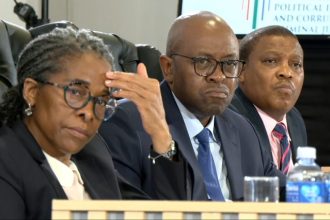
The commission will be chaired by retired Constitutional Court Justice Sisi Khampepe, with retired Northern Cape Judge President Frans Diale Kgomo and Advocate Andrea Gabriel serving as panel members.
A 30-Year Journey From Reconciliation to Accountability
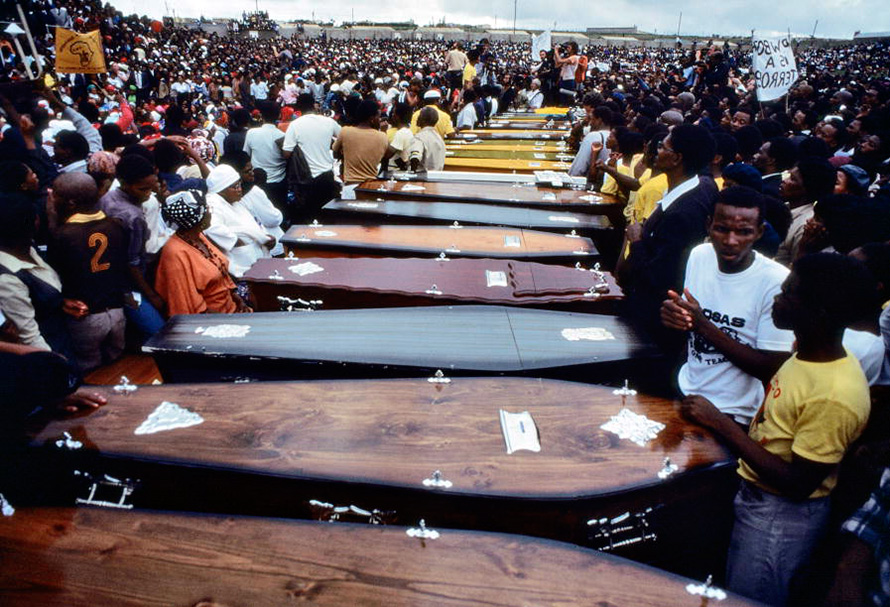
It has been exactly 30 years since the TRC was established as a restorative justice mechanism, giving victims and perpetrators of apartheid-era atrocities an opportunity to confront the past and promote forgiveness.
By the time the TRC concluded its work in 2003, roughly 3,000 cases had been referred to the NPA for potential criminal investigation and prosecution. However, nearly three decades later, the vast majority of those cases have never reached court, and the few that have are still unresolved.
This lack of progress has long frustrated families of victims, human-rights groups, and former TRC commissioners who argue that justice was deliberately stalled through political interference within state institutions.
President Ramaphosa Establishes the Inquiry
In May 2025, President Cyril Ramaphosa formally established the commission of inquiry following a lawsuit filed by 24 families against the government. The families accused authorities of failing to act on the TRC’s recommendations and allowing perpetrators of apartheid-era crimes to escape justice.
The new inquiry aims to determine why prosecutions were delayed or obstructed, and whether political leaders or NPA officials played a role in suppressing investigations.
According to Justice Khampepe, the inquiry will not be a rerun of the TRC, but will instead focus narrowly on the 3,000 cases referred to the NPA after 2003.
“This process is not about reopening old wounds but about ensuring that the promises of truth and justice made three decades ago are finally fulfilled,” Khampepe said in a statement.
A Test of South Africa’s Commitment to Justice
Legal experts view the inquiry as a major test of South Africa’s commitment to the rule of law and accountability. Many believe it could expose deep-rooted political manipulation of the justice system during the post-apartheid transition.
Civil-society groups such as the Foundation for Human Rights have welcomed the inquiry, describing it as a long-overdue opportunity to restore public confidence in the country’s justice institutions.
Whether this process will lead to prosecutions remains uncertain, but for many families of victims, it represents the first genuine step toward closure since the TRC ended more than 20 years ago.