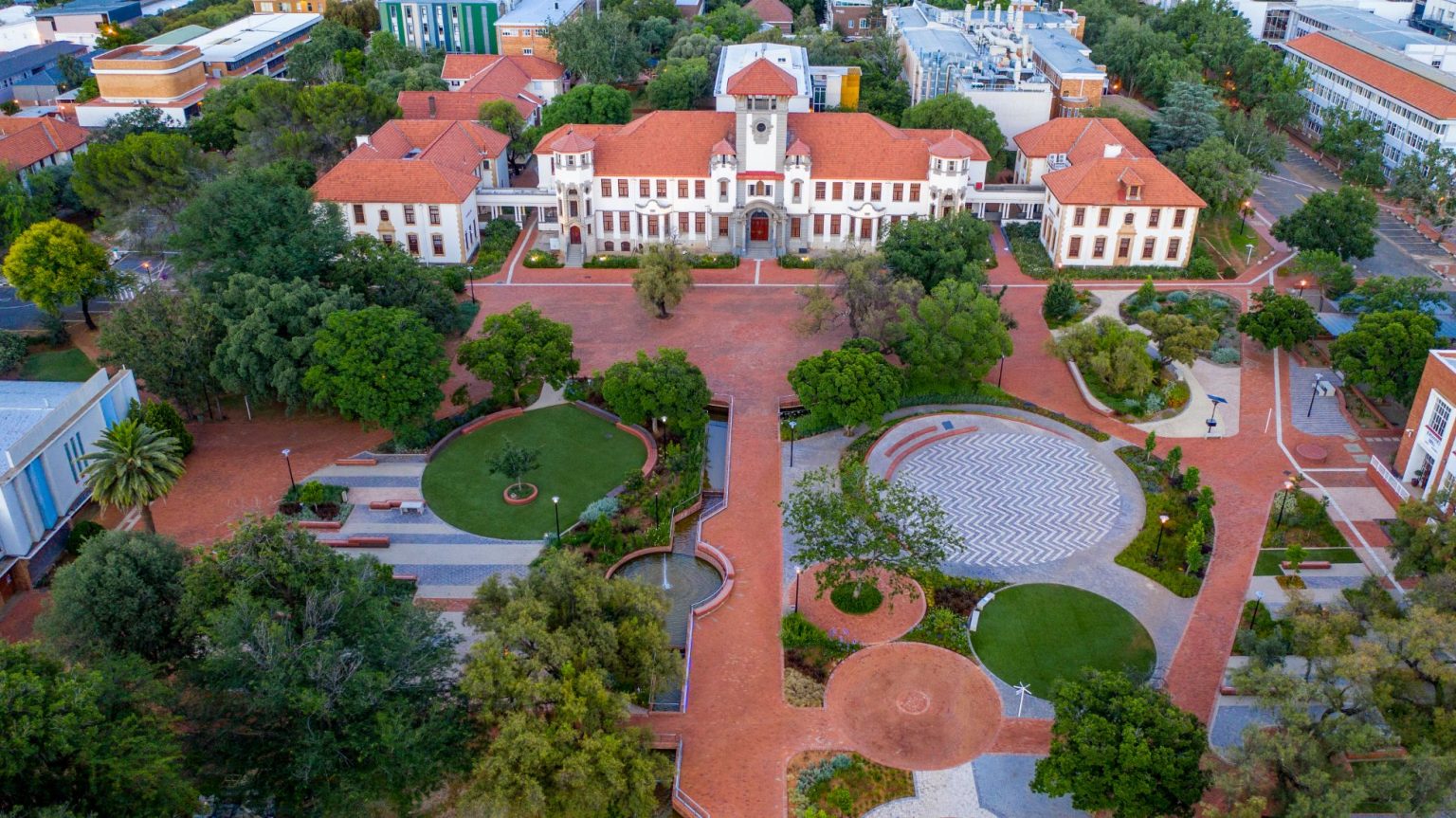
The University of the Free State (UFS) has announced the immediate closure of its Qwaqwa campus, giving students just 24 hours to vacate the premises, following days of escalating student protests over planned changes to the university’s registration policy.
In a statement released on Tuesday, the UFS executive management committee also confirmed that lectures at its Bloemfontein and South campuses have been suspended until further notice, citing safety concerns and disruptions to academic activities.
The institution further imposed a curfew from 19:00 to 07:00 on all campuses to prevent further unrest and ensure the protection of university property and personnel.
Violence Condemned
The protests, which began as peaceful demonstrations, have reportedly turned violent in recent days, prompting intervention by private security and law enforcement. Reports of force used against students have sparked outrage from the Parliamentary Portfolio Committee on Higher Education and Training, which strongly condemned the university’s handling of the situation.
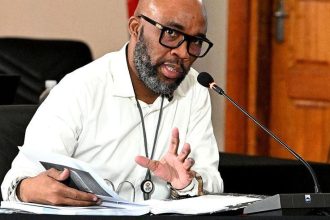
Committee Chairperson Tebogo Letsie criticised the alleged violence, describing it as “barbaric and unacceptable.”
“It is painful to witness such violence at institutions that should be promoting learning, critical thinking, and nation-building,” Letsie said. “We cannot have a situation where the expression of legitimate student grievances is met with aggression instead of dialogue.”
Letsie called for greater accountability, urging university management and student leadership to engage in proper consultation to find common ground.
The Policy at the Heart of the Protests
The unrest stems from UFS’s decision to end provisional registration starting in 2026, a move that has ignited anger among students who fear exclusion due to financial barriers.
Under the new policy:
-
Students with outstanding debt or unconfirmed funding will no longer be allowed to register.
-
Only students with fully confirmed funding, such as NSFAS or private bursaries, and no historical debt, will be permitted to register without upfront payment.
University management defended the change as a financial sustainability measure, citing a sharp increase in student debt and an internal review that found provisional registration had failed to assist financially distressed students effectively.
“The university is deeply concerned about the rising levels of student debt,” the UFS statement read. “A comprehensive review of 2025 registration data found that provisional registration is not an effective mechanism to support students with financial challenges.”
Calls for Proper Consultation
While the university insists the policy is necessary for long-term stability, student bodies argue that the decision was unilateral and lacked proper consultation.
Letsie echoed these concerns, warning that such impactful policy shifts cannot be made in isolation. “It is unfortunate that we continue to deal with crises at our higher learning institutions when these spaces should be focused on academic excellence and contributing to a better society,” he said.
Student representatives have called for the immediate suspension of the new policy and for a roundtable discussion involving the Department of Higher Education, NSFAS, and university leadership.
Academic Uncertainty and Next Steps
As tensions persist, UFS has not provided a timeline for when classes will resume or when campuses will reopen fully. The university said it will continue to monitor the situation and consult with stakeholders before making further announcements.
For now, thousands of students have been forced to leave residences, uncertain of when — or if — they will return to complete the semester.
The ongoing standoff underscores the growing financial strain within South Africa’s higher education system, where universities are grappling with rising debt, limited funding, and the challenge of ensuring access for disadvantaged students without compromising institutional viability.
As one frustrated student leader reportedly remarked outside the Bloemfontein campus gates: “Education shouldn’t be a privilege for the debt-free — it should be a right for the determined.”