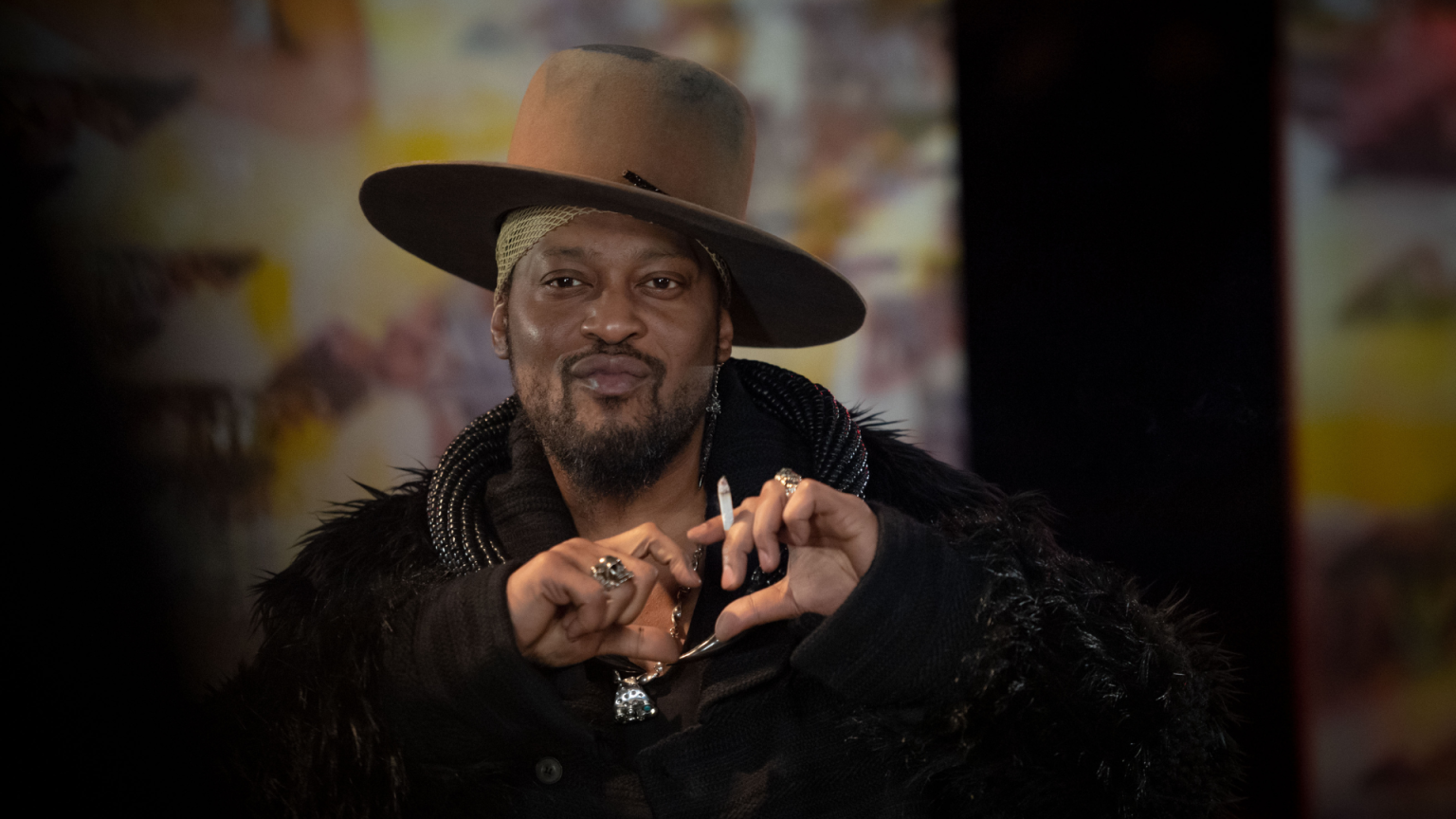
The music world is mourning the loss of one of its most gifted and enigmatic artists. Michael Eugene “D’Angelo” Archer, the Grammy-winning singer, songwriter, and producer credited with helping pioneer the neo-soul movement, has died at the age of 51.
His family confirmed that D’Angelo passed away on Tuesday morning, October 14, 2025, at his home in New York, after a private and courageous battle with pancreatic cancer.
In a statement shared with Variety, his family wrote: “The shining star of our family has dimmed his light for us in this life … After a prolonged and courageous battle with cancer, we are heartbroken to announce that Michael D’Angelo Archer, known to his fans around the world as D’Angelo, has been called home. We are saddened that he can only leave dear memories with his family, but we are eternally grateful for the legacy of extraordinarily moving music he leaves behind.”
The statement continued, asking for privacy but encouraging fans to celebrate the timeless gift of song he gave to the world.
A Soulful Revolution in R&B
D’Angelo first exploded onto the music scene in 1995 with his debut album Brown Sugar, which blended vintage R&B melodies with modern hip-hop rhythms. The record not only redefined the sound of contemporary soul but also produced several chart-topping hits, including Lady and Brown Sugar.
His next album, Voodoo (2000), turned him into a cultural phenomenon. With tracks like Untitled (How Does It Feel) and Devil’s Pie, D’Angelo helped shape the stripped-down, emotionally rich sound that became synonymous with neo-soul. The infamous video for Untitled—a minimalist, one-take visual of the artist appearing nude against a dark backdrop—cemented his image as both a musical genius and reluctant sex symbol.
After Voodoo, D’Angelo withdrew from the spotlight, battling personal struggles and creative pressures. It would take 14 years before he released another album, Black Messiah, in 2014, which was hailed by critics as a masterpiece of socially conscious music.
A Legacy of Awards and Influence
Over the course of his career, D’Angelo won four Grammy Awards, including Best R&B Album for both Voodoo (2001) and Black Messiah (2016). He also received Grammys for Best R&B Song (Really Love) and Best Male R&B Vocal Performance (Untitled).
His music bridged generations—blending the raw soul of Marvin Gaye with the experimentation of Prince and the honesty of modern hip-hop lyricism. He was revered not just for his sound, but for his artistic integrity and refusal to chase commercial trends.
Roots in Faith and Family
Born and raised in Richmond, Virginia, D’Angelo grew up immersed in gospel music, the son of a Pentecostal minister. He began playing piano at the age of three, performing in his father’s church and forming early groups like Three of a Kind and Michael Archer and Precise.
By 19, he had signed with EMI Records, and in 1994, co-wrote and co-produced U Will Know for the R&B collective Black Men United, which featured a lineup of icons including Usher, Boyz II Men, and Raphael Saadiq. That track foreshadowed the career of an artist destined to lead a new movement in Black music.
Tributes from a Heartbroken Industry
In the hours following his death, tributes poured in from artists and fans around the world.
“Say it ain’t so, but we just lost a friend, a creator & legend, D’Angelo,” funk legend Bootsy Collins wrote on X (formerly Twitter).
Singer Doja Cat described him as “a true voice of soul and inspiration to many brilliant artists of our generation and generations to come.”
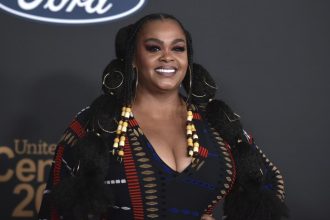
Jill Scott, one of neo-soul’s most celebrated voices, shared: “I never met D’Angelo but I love him, respect him, admire his gift. This loss HURTS!! R.I.P. GENIUS.”
Rapper and producer Tyler, The Creator posted a lengthy tribute on Instagram, recalling buying Voodoo for his ninth birthday. “I couldn’t understand how someone could write something so simple but personal but broad but genius,” he wrote. “That’s how special he was. A savant. A true alien.”
Flea, the bassist from Red Hot Chili Peppers, wrote: “No one did anything funkier over the last 30 years. I never knew him but humbled myself before his music. He changed the course of popular music.”
Music pioneer Nile Rodgers remembered first hearing D’Angelo’s early demos: “It was genius and it was exactly what he had played for me. I know … I still have the original cassette.”
The Sound That Changed Everything
D’Angelo’s artistry wasn’t just about groove—it was about truth. His music explored faith, intimacy, social struggle, and the complexities of identity. Albums like Voodoo and Black Messiah still influence today’s R&B stars, from Frank Ocean to H.E.R. and Anderson .Paak.
Though he often retreated from fame, his impact never faded. Like a comet, he appeared rarely—but every time he did, he burned brightly enough to light the entire sky of modern soul.
D’Angelo is survived by three children. The mother of his eldest son, Angie Stone, herself a renowned soul singer, tragically died earlier this year in a car accident at the age of 63.
As the world mourns his passing, D’Angelo’s music continues to echo with the same warmth, honesty, and depth that first captivated millions. His melodies remain eternal — a reminder that true soul doesn’t fade; it just finds new ways to be heard.