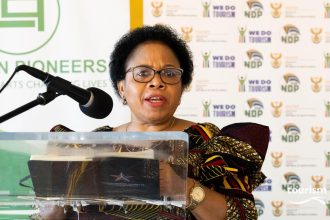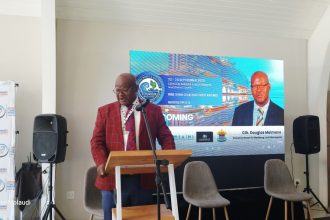
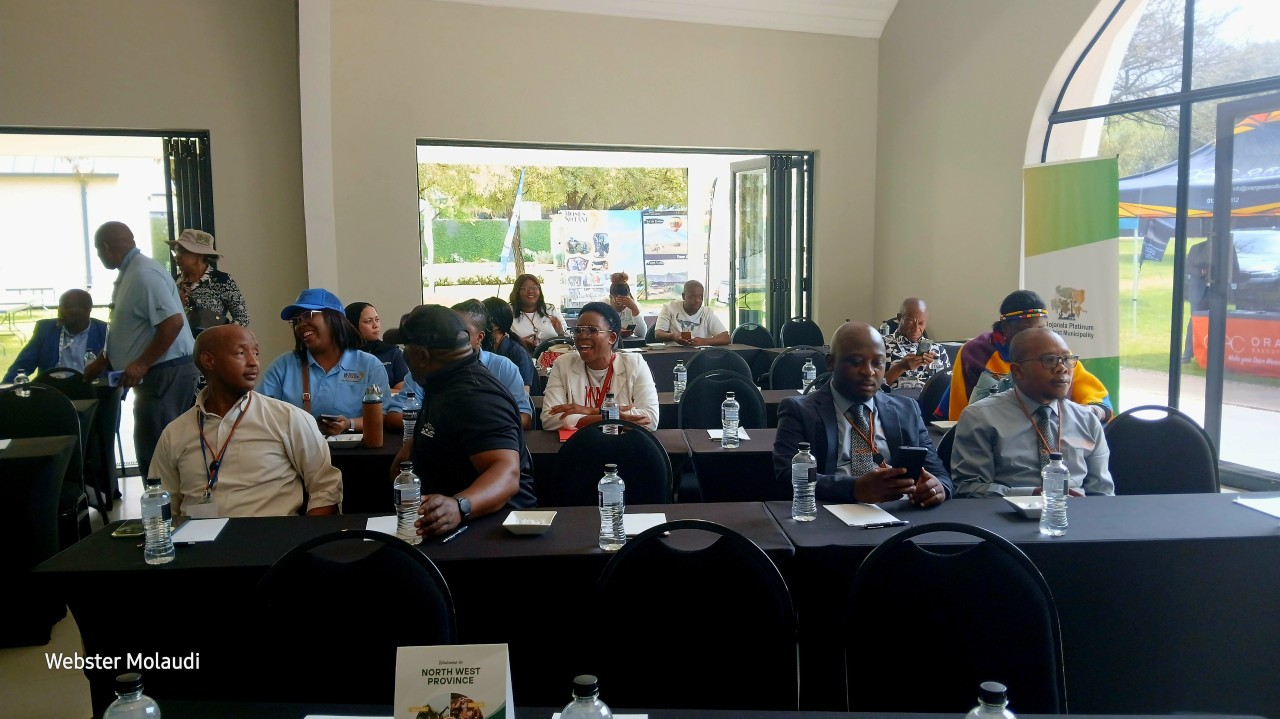
The Deputy Minister of Tourism, Hon. Makhotso Magdeline Sotyu, has urged government, business, and communities to join forces in unlocking the untapped potential of South Africa’s inland waterways. Speaking at the Coastal & Waterways Tourism Investment Summit 2025, she said the development of dams and rivers could spark a new era of sustainable tourism, job creation, and local economic growth.
Turning Neglect into Opportunity
Citing the underutilised Gariep Dam, Sotyu noted the opportunity to transform neglected sites into hubs for luxury eco-lodges and water-based tourism.
“With South Africa hosting the G20 for the first time, the world will be watching. When global leaders visit, from presidents to business delegations, they will look at our infrastructure and our capacity to host. That is why we must build facilities that not only serve visitors but also strengthen our local economies,” she said.
The Deputy Minister further highlighted youth empowerment as a cornerstone of tourism growth. Many young South Africans, she said, are already training in foreign languages such as Mandarin to better serve international visitors. “These are the kinds of initiatives we are investing in with stakeholders — creating skills, opportunities, and pathways for the next generation to participate meaningfully in tourism.”
Infrastructure and Safety Challenges
The summit also gave industry stakeholders an opportunity to flag persistent challenges. Christopher Thai, CEO of Mankwe Game Trackers, expressed frustration over delayed roadworks on the R54, saying construction had dragged on for two years.
“Every delay affects job creation and restricts access to key tourism sites,” he said.
The R516 road was also spotlighted as a long-standing issue. Informal speed bumps have made it a hazard, while rising crime has driven many tourists to detour via the N4, a longer but perceived safer route. However, reports of hijackings on these roads have left stakeholders deeply concerned.
“Government must help ensure that when we welcome guests, we welcome them to a safe environment,” one delegate said.
Harnessing Natural Assets for Growth
Experts also pointed to underutilised natural attractions. Dorothy Queiros of UNISA highlighted the Hennops River and Hiking Trail, a site featuring suspension bridges, a cable car, and historic landmarks. Despite its popularity, ongoing pollution of the river has undermined its tourism potential.
She called for urgent rehabilitation and sustainable management to protect the site’s long-term value.
Similarly, Dion, owner of The Alba Boat Cruises in Hartbeespoort, appealed to the Department of Tourism to simplify permits for boating and water-based activities. Streamlined approvals, he argued, would grow businesses, create jobs, and empower young entrepreneurs.
Unity as a Catalyst for Growth
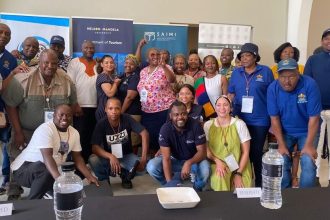
A central theme throughout the summit was unity across government, business, academia, and communities. Delegates stressed that collaboration was key to:
-
Accelerating infrastructure development to ensure reliable, safe access for visitors.
-
Unlocking investment opportunities, from eco-lodges to cultural and adventure tourism.
-
Empowering youth, equipping them with skills for the growing Blue Economy.
-
Preserving natural assets, balancing development with sustainability.
“Tourism is not just about leisure. It’s about unity, opportunity, and creating an economy that benefits our children and their children’s children,” one participant noted.
Inland Waterways as a Tourism Frontier
The discussions left no doubt: if properly developed and managed, South Africa’s inland waterways could become a transformative force for the tourism sector. From dams and rivers to hiking trails and eco-lodges, the potential stretches well beyond leisure, offering lasting opportunities for communities and the broader economy.