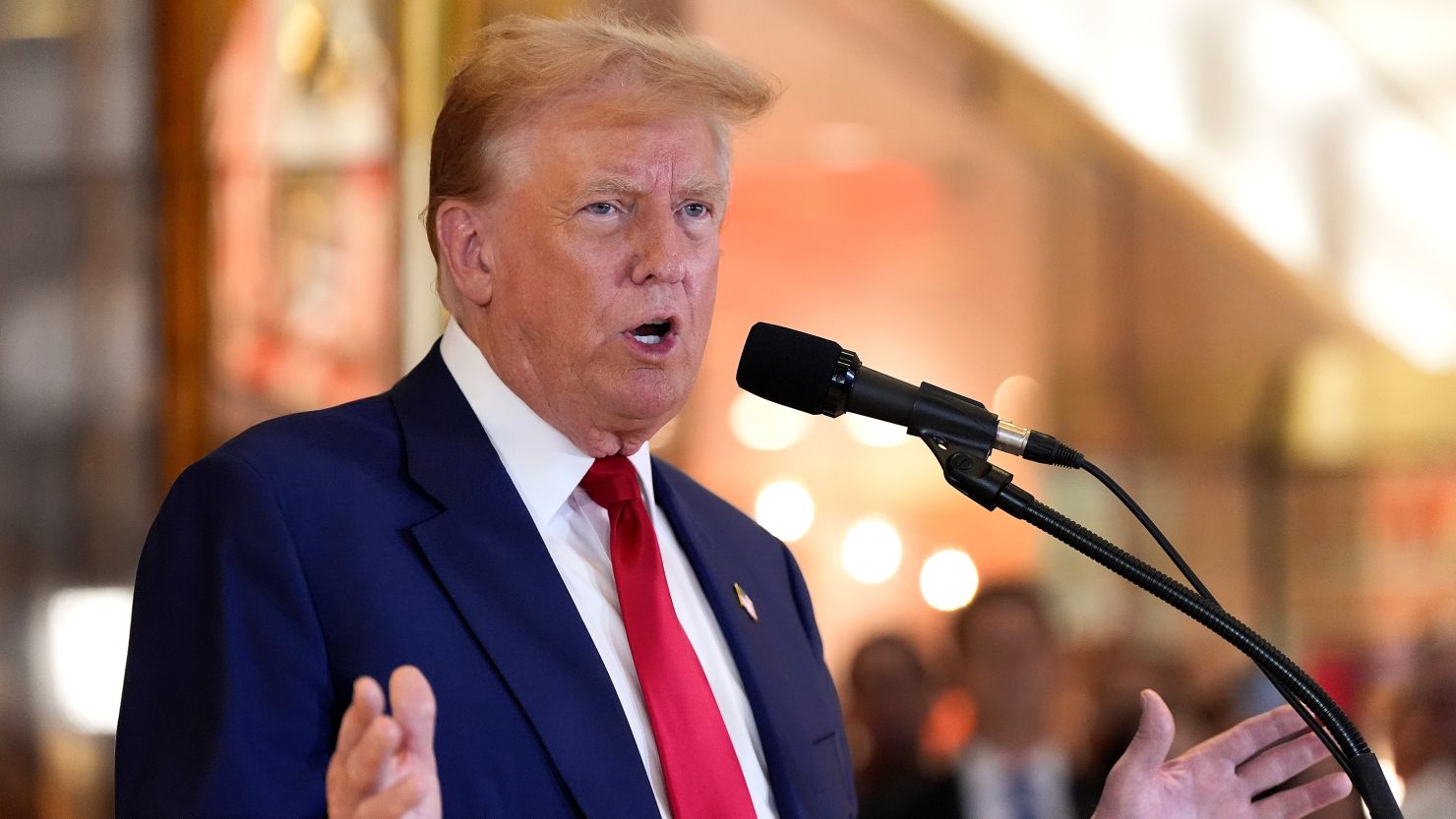
President Donald Trump’s sweeping new tariffs have taken effect against dozens of countries — including South Africa, Botswana, and Lesotho — triggering urgent efforts by African governments to re-negotiate the rates and avert major economic fallout.
The tariffs, which took effect on Friday, have raised import taxes by as much as 30% on certain South African exports to the U.S., threatening industries already under pressure from high unemployment.
Ramaphosa Holds Talks With Trump
President Cyril Ramaphosa’s office confirmed he spoke with Trump on Wednesday, just before the tariffs were implemented.
“The two leaders undertook to continue with further engagements,” the statement read, signalling Pretoria’s belief that a negotiated settlement is still possible despite recent U.S. criticism of South Africa.
The Trump administration has accused South Africa of pursuing “anti-white” and “anti-American” policies, suspending aid and assistance to the country earlier this year.
Lesotho and Botswana Seek Relief
Neighbouring countries Botswana and Lesotho — both heavily reliant on exports to the U.S. — have also sought to soften the blow.
Lesotho, whose clothing sector produces major global brands like Levi’s, initially faced a 50% tariff before U.S. authorities reduced it to 15% following lobbying efforts.
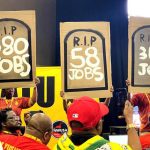
While the cut was welcomed, Lesotho’s government warned the rate remains “high enough to threaten thousands of jobs” in the industry.
Economic Risk Across the Region
Trade experts say the tariff hike could trigger factory closures, supply chain disruptions, and sharp declines in export earnings across southern Africa.
With unemployment rates already at crisis levels, leaders are under pressure to secure exemptions or reduced rates to avoid further instability.
South Africa and its neighbours are expected to intensify negotiations with Washington in the coming weeks, hoping to salvage trade ties before long-term damage sets in.