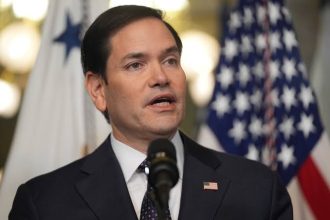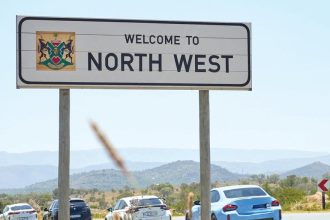
In a meeting that blended diplomatic seriousness with a touch of South African grit, President Cyril Ramaphosa sat down with U.S. President Donald Trump at the White House in Washington this week. The discussion, framed around rejuvenating South Africa–U.S. relations, took a sharp turn into domestic South African issues, including land reform and crime.
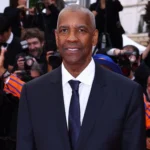
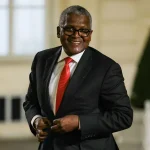
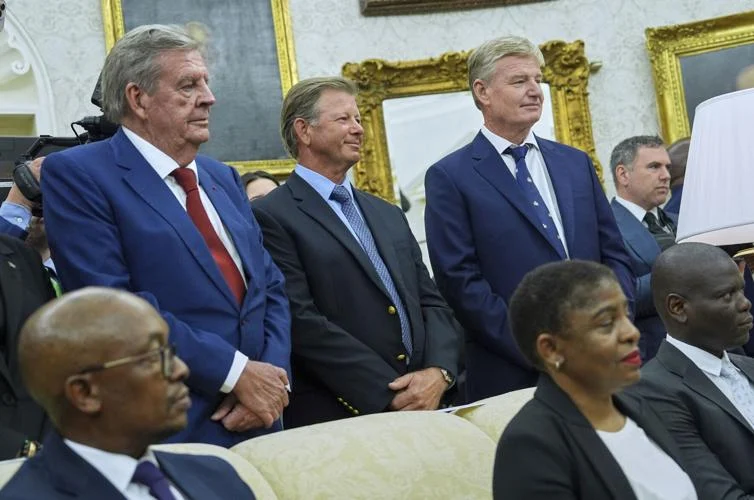
South African billionaire Johann Rupert, golfing legend Ernie Els, and Democratic Alliance leader John Steenhuisen were also present at the meeting — an unexpected trio that offered a mix of economic influence, sporting diplomacy, and political balance to the occasion.

Rupert Sets the Record Straight
Addressing the thorny topic of so-called “white genocide” in South Africa — a narrative that has gained traction in certain international circles — Rupert was firm. He made it clear to Trump that while violent crime in South Africa is a serious issue, it affects all communities, not just white South Africans.
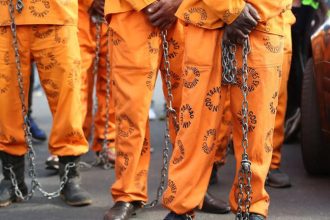
“There’s no targeted genocide of white people,” Rupert reportedly emphasized, adding that general crime and economic inequality remain the country’s real challenges. In a country where over 27,000 murders were recorded in a recent year, the tragedy is tragically democratic.
His statement aimed to dispel a misconception Trump previously echoed on social media, which led to a diplomatic skirmish in 2018 when Trump instructed his then-Secretary of State to look into “land and farm seizures and the large-scale killing of farmers.”
Ramaphosa Stands Firm on Land Reform
President Ramaphosa did not shy away from the controversial topic of land reform. He directly denied the claim that South Africa allows land to be taken from white farmers without due process.
“The land reform process is about correcting historical injustices, but it will be done legally, fairly, and with national unity in mind,” Ramaphosa said. His comments came amid persistent domestic debates around land expropriation without compensation, a policy still under scrutiny both at home and abroad.
Ramaphosa added, perhaps with diplomatic restraint, that there “is doubt in Trump’s head” about whether these so-called genocidal claims are based on facts or politically charged rhetoric.
A Meeting of Minds and Motives
The high-level meeting was ostensibly about economic cooperation and strengthening trade ties. But the inclusion of Rupert, Els, and Steenhuisen signalled that the meeting also had broader ambitions — to offer a fuller picture of South Africa’s diverse societal fabric.
Rupert, known for his role in South Africa’s business sector and his often conservative views, played the unexpected role of myth-buster. Steenhuisen’s presence offered a counterpoint from the opposition benches, while Els added an element of soft diplomacy, perhaps easing the tension with talk of golf handicaps and better days on the fairway.
Why This Meeting Matters
While critics may view the meeting as symbolic, its implications are far-reaching. South Africa needs to maintain strong trade and diplomatic relations with the United States, especially as it navigates a difficult economic landscape.
Trump, a vocal critic of various African policies during his presidency, has historically been skeptical of South African land reform policies. However, Ramaphosa’s firm stance, backed by figures like Rupert, may help to neutralize alarmist narratives in international media and policy circles.
The White House meeting signals not just a diplomatic reset but an effort to reshape global perceptions about South Africa’s internal challenges — especially those skewed by misinformation or one-sided commentary.
Conclusion
In a political climate where narratives can quickly outpace facts, the White House meeting between Ramaphosa and Trump served as a rare moment of clarity. Johann Rupert’s candid dismissal of the “white genocide” myth, combined with Ramaphosa’s reassurance about legal land reform, offered a grounded, unified message: South Africa’s issues are real, complex, and shared across communities.
Let’s hope the message landed — even if some attending were more familiar with golf swings than policy swings.