
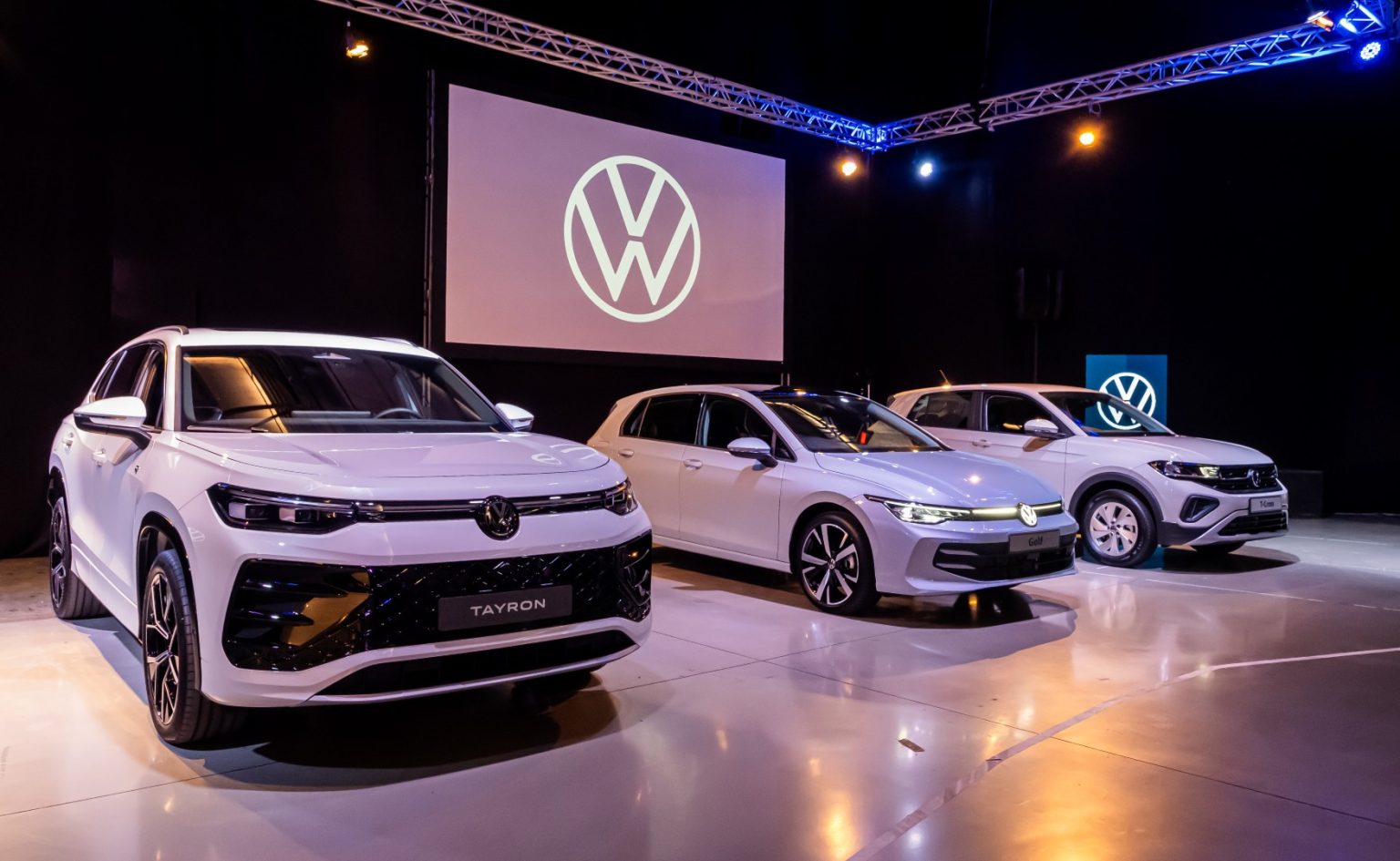
Volkswagen Group South Africa (VWSA) managing director Martina Biene has raised concerns over proposals to sharply increase vehicle import duties, warning that such measures could harm consumers and fail to address deeper structural problems facing the local automotive industry.
According to the Sunday Times, Biene is opposed to using higher tariffs as a tool to protect domestic car manufacturing, as the Department of Trade, Industry and Competition (DTIC) considers steps to curb the growing influx of vehicles imported from China and India.
The International Trade Administration Commission (ITAC) recently informed Parliament that one option under consideration is increasing the general vehicle import duty from 25% to 50%.
Slow Policy Reform a Bigger Threat
Speaking at Volkswagen’s annual Indaba event, Biene said the real challenge undermining South Africa’s car manufacturing sector is the slow pace of government reform, not foreign competition.
She pointed to delays in finalising new energy vehicle (NEV) policies and the failure to reduce ad valorem taxes for local manufacturers as key obstacles preventing South African-built vehicles from competing with cheaper imports.
“These delays create uncertainty for global decision-makers when they assess whether to invest further in South African production facilities,” Biene said.
Crucial Year for Volkswagen SA
The issue is particularly pressing for Volkswagen, with 2026 expected to be a decisive year as the company awaits a head office decision on whether to invest in local production of its planned Tarok half-tonne bakkie.
Volkswagen’s Kariega plant in the Eastern Cape currently produces the Polo, Polo Vivo and Polo GTI, with the Vivo remaining South Africa’s top-selling passenger vehicle.
However, a significant portion of the plant’s output is exported, and two of its major markets — Europe and the United Kingdom — are rapidly transitioning away from traditional petrol and diesel vehicles.
Limited Support for Electric and Hybrid Manufacturing
Aside from a 150% tax refund for investments in NEV assembly, set to take effect only in March 2026, Biene said the government has done little to stimulate electric and hybrid vehicle manufacturing locally.
She, along with senior executives from BMW and Toyota, has called for urgent changes to the Automotive Production and Development Programme (APDP).
SKD Incentives Under Fire
One of the most contentious issues is the favourable tax treatment of semi-knockdown (SKD) assembly operations, which enjoy near duty-free imports of components.
Biene argued that this allows SKD operations to sell vehicles at highly competitive prices while contributing far less to job creation and economic growth than fully fledged manufacturers.
“For every job created by an SKD facility, a completely knocked-down plant, such as VW’s in Kariega, creates eight,” she said.
BMW and Industry Bodies Echo Concerns
BMW South Africa CEO and National Association of Automobile Manufacturers of South Africa (Naamsa) president Peter van Binsbergen also cautioned against higher import tariffs.
He warned that a 50% import duty would make all imported vehicles significantly more expensive, with entry-level cars bearing the brunt.
Currently, 23 of the 25 most affordable passenger vehicles sold in South Africa are built in India or China, while the locally produced Polo Vivo ranks 25th.
Van Binsbergen said higher tariffs would also harm manufacturers with local plants that still rely on imports for certain models.
“That is the unintended consequence; it would affect all of us, and it would hurt the consumer as well. That’s a blunt instrument,” he said.
Misa: Imports Boosted Sales and Jobs
The Motor Industry Staff Association (Misa) has also urged the government to take a broader view when adjusting import tariffs.
Misa operations CEO Martlé Keyter said Chinese- and Indian-made vehicles have increased competition and expanded the local market.
“The result was new vehicle sales records for three consecutive months at the end of 2025, surpassing pre-pandemic levels for the first time and reaching highs not seen in a decade,” she said.