Tensions between Washington and Caracas have intensified after US forces seized a Venezuelan oil tanker off the country’s coast, marking the most dramatic escalation yet in Donald Trump’s pressure campaign against President Nicolás Maduro. The operation, conducted by US Coast Guard officials, was confirmed on Wednesday as part of a broader naval build-up in the region.
Officials did not release details about the tanker’s name, its precise location at the time of the operation, or the logistics surrounding the seizure, adding to speculation about the scale and intent behind the move. The White House has not yet commented on the incident, despite requests from the press.
The seizure is a significant shift in Washington’s approach. Although the Trump administration has long imposed sanctions and political pressure on Maduro, intervening directly in the country’s oil distribution marks a new and highly symbolic escalation. A Bloomberg report described the action as “a serious escalation,” especially given the longstanding tension over who controls Venezuela’s vast energy reserves.
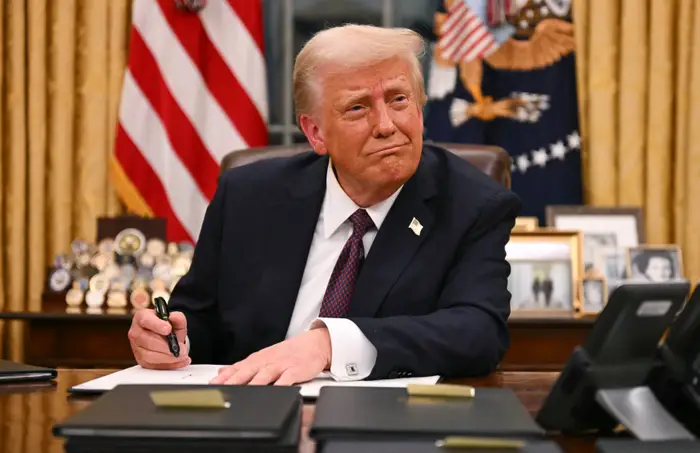
While speaking to reporters, Trump hinted that this may only be the beginning. “It’s the largest one ever seized… and now other things are happening,” he said, suggesting that further operations could follow.
Venezuela—despite its political turmoil, economic collapse, and shrinking petroleum infrastructure—still possesses some of the world’s largest proven oil reserves. The country relies heavily on crude exports to sustain its revenue. China has remained a crucial partner, receiving between 55% and 90% of Venezuelan oil shipments in recent years. The country also exports to Russia and several Caribbean nations.
The timing of the US operation is particularly sensitive. Last month, Venezuela exported more than 900,000 barrels of oil per day as it scrambled to preserve what remains of its fossil-fuel-dependent economy. Maduro’s government has been under immense strain from US sanctions, internal unrest, and international disputes over legitimacy.
Compounding the situation, Trump has authorised dozens of military strikes in recent months on boats the administration claims were used for drug trafficking, many departing from Venezuelan waters. These operations have added to fears that Washington may be moving toward an unofficial maritime blockade—something analysts warn could inflame regional tensions and disrupt global oil markets.
For now, Venezuelan officials have not issued a formal response to the tanker seizure, though the country has historically condemned similar actions as violations of sovereignty. With economic dependence on oil and an already fragile political landscape, Caracas is likely to interpret the move as a direct threat.
The seizure marks a turning point in an already volatile relationship. As the Trump administration tightens its grip on Venezuela’s economic lifeline, the risk of confrontation—economically or militarily—continues to grow, leaving the region on edge as global powers look on.