South Africans are being urged to remain alert as the South African Weather Service (SAWS) warns that intensified summer thunderstorms and strong winds could lead to further tornado activity in the coming months.
The warning follows a series of recent tornado incidents, including two that touched down in Mpumalanga on New Year’s Day. One formed to the north-east of Middelburg, while another developed near Carolina. Although no fatalities were reported, the storms caused significant damage, uprooting trees, snapping telecommunications infrastructure and disrupting farming operations in affected areas.
These incidents were not isolated. In November last year, two additional tornadoes were captured on video sweeping through farmlands near Heilbron in the Free State and Harrismith in KwaZulu-Natal, highlighting the growing geographic spread of such extreme weather events.
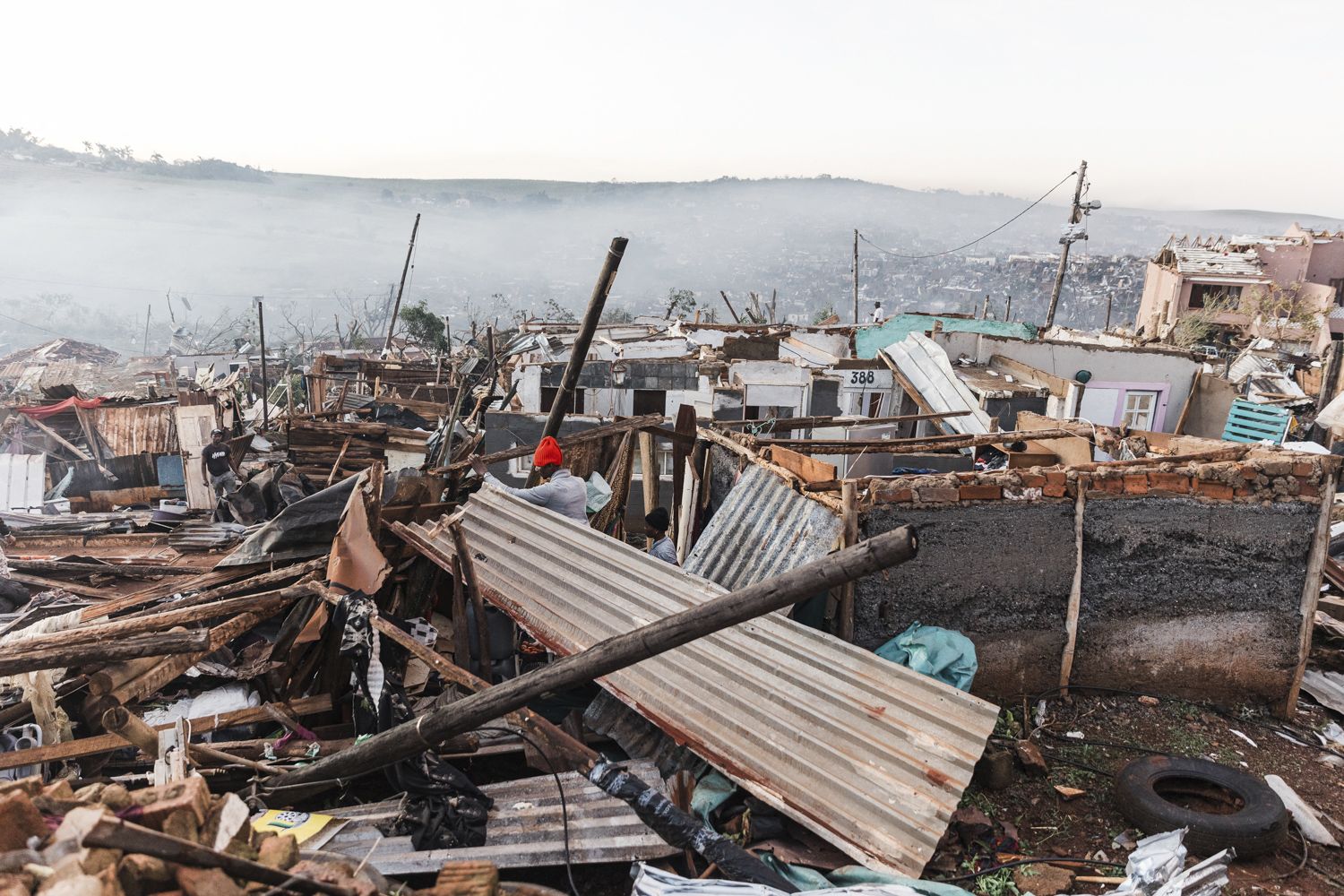
While tornadoes remain far less frequent in South Africa than in countries like the United States, their impact has been severe when they do occur. Over the past three decades, dozens of people have been killed or injured by tornadoes across the country.
The deadliest on record was an F4-category tornado that struck Mount Ayliff in the Eastern Cape on 18 January 1999. With estimated wind speeds ranging between 333km/h and 420km/h, the storm killed 25 people and left around 500 others injured. More recently, an EF3 tornado that hit Tongaat in June 2024, with wind speeds of between 218km/h and 266km/h, claimed 11 lives and injured at least 120 people.
Speaking in a SAWS podcast published on 7 January 2026, senior forecaster and tornado specialist Puseletso Mofokeng said South Africa typically records an average of three to four tornadoes per year. However, he cautioned that this figure may not fully reflect reality.
According to Mofokeng, tornadoes in South Africa are often short-lived and historically difficult to detect, leading to underreporting. That is now changing, thanks to advances in monitoring technology. High-frequency satellite updates introduced by Eumetsat in late 2024 now provide imagery every 10 minutes, significantly improving detection and analysis of severe weather systems.
Mofokeng explained that tornado activity in South Africa usually peaks during mid-summer, particularly from November to January. These storms are most likely to form within powerful thunderstorm supercells, which thrive on high heat and moisture levels. SAWS is currently forecasting above-average temperatures for the remainder of the summer season, increasing the likelihood of such conditions.
South Africa’s tornadoes typically produce wind speeds between 200km/h and 300km/h. Mofokeng noted that extreme wind speeds exceeding 300km/h, common in some parts of the world, are not usually observed locally.
Geography also plays a key role. The Highveld and the escarpment are particularly vulnerable due to elevated terrain and mountainous features that influence storm movement. According to Mofokeng, mountains can redirect storms into one another, creating the conditions needed for tornado formation.
In addition to Mpumalanga and the Free State, tornado-prone regions include inland KwaZulu-Natal and eastern parts of the Eastern Cape. While tornadoes do occur in North West, they are generally less frequent. Recent trends, however, suggest an increase in tornado activity closer to coastal areas and within the Lowveld.
SAWS has also reiterated safety advice for the public. In the event of a tornado, people are urged to seek shelter in a small, enclosed room such as a bathroom, preferably away from windows. Where no underground shelter is available, taking cover under a heavy bed or inside a sturdy wardrobe can offer protection.
For those who may not receive official warnings in time, Mofokeng highlighted a visible danger sign: two large cloud systems moving rapidly towards each other. He warned that the area where they converge is likely to experience extremely strong winds and should be avoided at all costs.
As climate change continues to influence weather patterns, insurers and meteorologists alike caution that severe wind events, including tornadoes, may become more frequent. For South Africans, awareness and preparedness could make a life-saving difference.