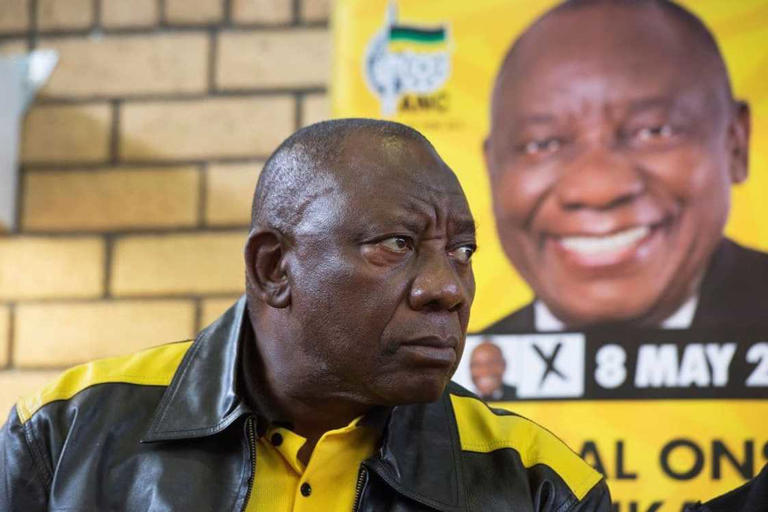
South Africans have reacted strongly after Cyril Ramaphosa described the Natives Land Act of 1913 as a central cause of generational poverty and inequality.
The president made the remarks on 21 March 2026 during a land restitution handover in uMzimkhulu, where government returned approximately 18,000 hectares of land to communities affected by historical dispossession.
Land Dispossession as ‘Original Sin’
Speaking at the event, Ramaphosa said land dispossession — which began before 1913 and was later formalised through legislation — laid the foundation for South Africa’s deep-rooted inequality.
He described it as the country’s “original sin”, arguing that colonial and apartheid-era systems systematically deprived the majority of South Africans of land ownership and economic opportunity.
According to the presidency, around 2,000 beneficiaries were affected by forced removals and loss of land and livestock under apartheid policies.
Communities Welcome Land Restitution
Beneficiaries of the land handover, including families from Lawrence as well as residents of St Paul, Ngujini and Ndzimankulu, welcomed the long-awaited return of their land.
Some claims dated back nearly 50 years, highlighting the slow pace of restitution processes in certain cases.
For many, the handover marked both a symbolic and practical step towards addressing historical injustices.
However, several community members raised concerns about their ability to utilise the land effectively, citing a lack of financial resources, infrastructure and agricultural support.
Sustainability Concerns Emerge
While land restitution is widely seen as a necessary step in addressing past injustices, questions remain about sustainability and economic viability.
Some beneficiaries indicated that without adequate support, the land may not translate into meaningful economic development or improved livelihoods.
Experts have long argued that successful land reform requires not only restitution but also investment in skills development, access to finance and ongoing government support.
Government Reaffirms Commitment
Ramaphosa reiterated government’s commitment to land reform, stating that efforts to return land to dispossessed communities are ongoing.
He emphasised that addressing land inequality remains a key priority in tackling broader socio-economic challenges in South Africa.
The president’s remarks come at a time when land reform continues to be one of the most debated and politically sensitive issues in the country.
Public Reaction Highlights Divisions
Reaction to Ramaphosa’s comments has been mixed, reflecting broader divisions in South Africa’s ongoing land debate.
Supporters argue that acknowledging the historical roots of inequality is essential for meaningful transformation, while critics say the issue is often politicised and requires more practical solutions focused on economic growth and job creation.
The debate also touches on broader questions around property rights, agricultural productivity and social justice — issues that remain central to South Africa’s policy landscape.
A Long-Standing National Challenge
More than a century after the 1913 Land Act, land ownership patterns in South Africa remain highly unequal.
While progress has been made through restitution and redistribution programmes, the pace and effectiveness of reform continue to be closely scrutinised.
As government pushes ahead with land reform initiatives, the challenge will be balancing historical redress with sustainable development — a task that remains as complex as it is urgent.