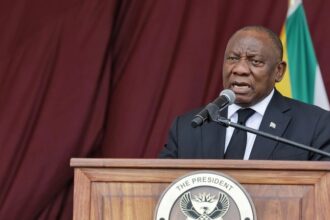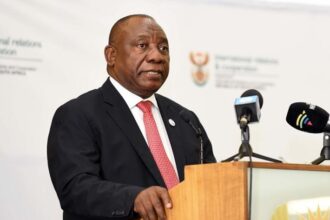
President and ANC leader Cyril Ramaphosa has accused AfriForum and Solidarity of pursuing a strategy aimed at destabilising the South African state and pushing the country towards regime change.
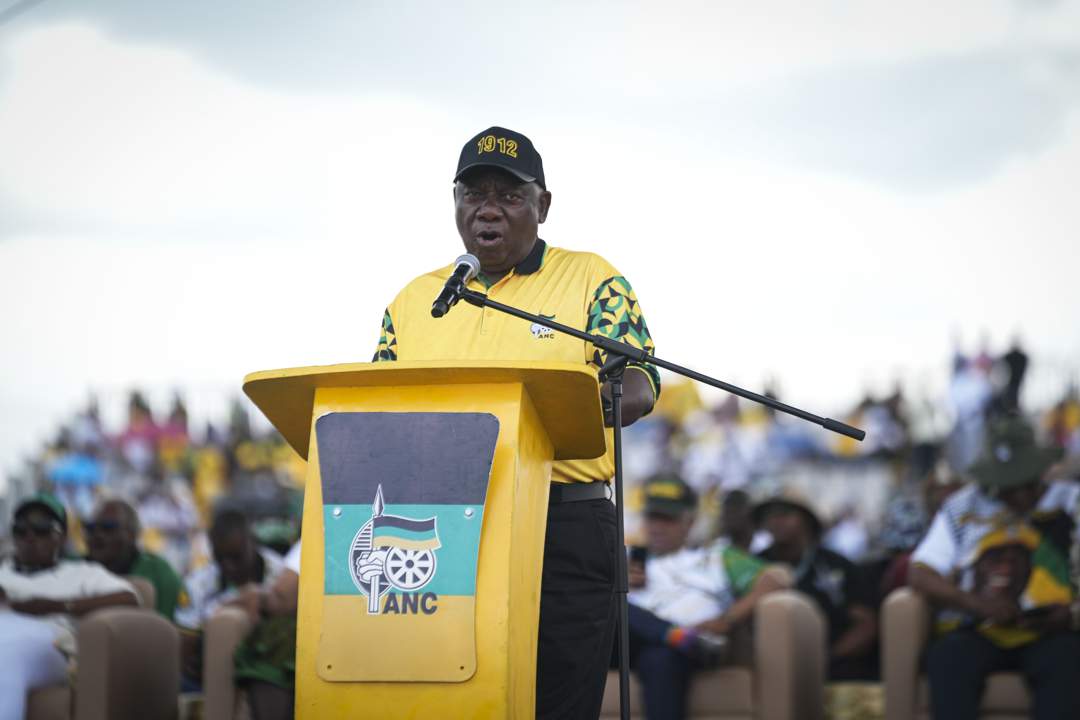
He made the remarks while delivering the ANC’s annual January 8 statement at Moruleng Stadium in the North West on Saturday, 10 January 2026, against the backdrop of heightened political tension and growing public debate over transformation and national unity.
Although Ramaphosa did not name the organisations directly, referring instead to a “small but influential vocal minority”, his comments followed earlier statements by ANC secretary-general Fikile Mbalula, who had explicitly identified AfriForum and Solidarity in the lead-up to the event.
Claims of a Coordinated Destabilisation Strategy
Ramaphosa told thousands of ANC supporters that certain groups were deliberately attempting to undermine the Constitution and roll back the gains made since the end of apartheid. He linked these efforts to the continued spread of claims about a so-called “white genocide” in South Africa, which he described as false and harmful.
According to the president, these narratives were not only aimed at influencing domestic opinion but were also used to solicit international support, including from what he called global racist movements. He said this had contributed to strained diplomatic relations between South Africa and the United States during President Donald Trump’s administration.
Allegations of Regime-Change Tactics
Ramaphosa warned that efforts to reverse democratic progress were becoming increasingly explicit. He characterised them as part of a broader agenda driven by anti-transformation forces and their international allies.
He claimed that these efforts included funding and forming political parties designed to divide progressive movements, promoting regime-change narratives, establishing parallel institutions outside the state, and encouraging secessionist tendencies within the country.
“These are not isolated actions,” Ramaphosa suggested, framing them as coordinated attempts to weaken the authority and legitimacy of the democratic state.
Call to Defend Constitutional Democracy
In response to what he described as growing threats, Ramaphosa called for the creation of a broad united front to defend South Africa’s constitutional democracy, national sovereignty and the national democratic project.
He said protecting democratic institutions was essential, adding that these institutions must serve all citizens fairly and effectively. He also emphasised the importance of advancing the rights and interests of workers, informal traders, small businesses, farmers and the middle class.
Focus on Service Delivery and Social Progress
Beyond political warnings, Ramaphosa used the address to underline the ANC’s commitment to accelerating service delivery. He highlighted the need to improve access to housing, education, healthcare, electricity, water and sanitation.
He also stressed the importance of strengthening social security, expanding transport infrastructure and improving broadband access, arguing that tangible improvements in people’s lives were critical to safeguarding democracy.
A Deepening Political Divide
Ramaphosa’s remarks reflect a deepening divide in South Africa’s political landscape, where debates over transformation, race, identity and state power remain highly charged. While organisations such as AfriForum and Solidarity have previously rejected claims that they seek to undermine democracy, the ANC leadership appears increasingly concerned about what it views as coordinated resistance to post-apartheid reforms.
As South Africa moves further into a contested political period, the president’s comments signal that tensions between the ruling party and civil society organisations are unlikely to ease in the near future.