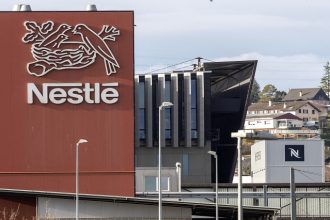

Swiss food giant Nestlé has recalled batches of its infant nutrition products sold across at least 25 countries after identifying a potential contamination risk involving a toxin that can cause food poisoning.
The recall affects several well-known infant formula brands, including SMA, BEBA, NAN, Alfamino, Guigoz and Nidal, with most products sold in Europe. Additional affected markets include Turkey and Argentina.
Nestlé said the recall follows the discovery of a quality issue in an ingredient supplied by a major supplier, prompting precautionary action.
What Is the Risk?
According to Nestlé and food safety authorities, the affected products may be contaminated with cereulide, a toxin produced by certain strains of Bacillus cereus.
Britain’s Food Standards Agency (FSA) warned that cereulide is particularly concerning because it is not destroyed by boiling water or standard formula preparation methods.
“Cereulide can cause food poisoning symptoms which can be quick to develop and include vomiting and stomach cramps,” said Jane Rawling, Head of Incidents at the FSA.
Nestlé stressed that no illnesses have been confirmed in connection with the recalled batches to date.
Scope of the Recall
Austria’s health ministry described the action as the largest recall in Nestlé’s history, claiming it affects more than 800 products from over 10 factories. Nestlé said it could not independently verify those figures.
The company confirmed that the potential risk was first identified at one factory in the Netherlands, but investigations revealed that the contaminated raw material had been used at multiple production sites, including outside the country.
Products and Countries Affected
The recall covers batches sold in several European countries, including:
-
France
-
Germany
-
Austria
-
Italy
-
Sweden
Products are sold under different brand names depending on the country. In Germany, for example, affected formulas are marketed as Beba and Alfamino.
Nestlé has published batch numbers on its local websites and instructed consumers not to use the affected products.
Steps Taken by Nestlé
Nestlé said it has completed testing of all arachidonic acid oil and oil mixes used in the production of the potentially impacted formulas. The company is now:
-
Activating alternative suppliers
-
Ramping up production at other factories
-
Accelerating the release of unaffected products
-
Working closely with food safety authorities
Consumers are being offered refunds, and Nestlé has set up dedicated helplines to handle enquiries.
Market Impact and Industry Context
The recall comes at a sensitive time for Nestlé, adding pressure on newly appointed CEO Philipp Navratil, who is overseeing a portfolio review after internal leadership changes.
Nestlé controls nearly 25% of the global infant nutrition market, estimated at $92.2 billion, according to SkyQuest Technology Group. Infant formula forms part of its Nutrition and Health Science division, which accounted for 16.6% of total sales in 2024.
The company’s shares have fallen by more than 3% over the past two trading sessions.
Why Infant Formula Recalls Matter
Problems involving baby formula carry high reputational and legal risks. Rival firm Reckitt is currently facing hundreds of lawsuits in the US linked to claims that its Mead Johnson infant formula caused severe illness in premature babies — claims the company denies.
For Nestlé, the recall highlights how even small supply-chain failures can ripple across global food systems, especially when products are consumed by infants.
What Parents and Caregivers Should Do
Nestlé has urged parents and caregivers to:
-
Check batch numbers on product packaging
-
Avoid using affected products
-
Return recalled items for a refund
-
Contact Nestlé’s consumer helplines for guidance
While no illnesses have been reported so far, food safety authorities continue to monitor the situation closely.