A 52-year-old man has died after being pepper-sprayed by police during an arrest at a residential unit in Homebush, in Sydney’s western suburbs.
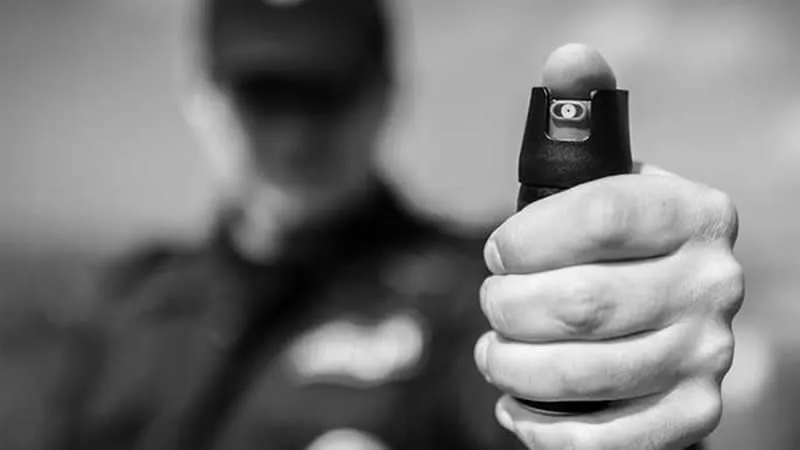
New South Wales Police said officers were called to the address at around 8:30am on Monday following reports of an alleged domestic violence incident. During the arrest inside the unit, police deployed oleoresin capsicum (OC) spray, commonly known as pepper spray.
Shortly afterwards, the man experienced what police described as a “medical episode”.
Taken to Hospital in Critical Condition
NSW Ambulance paramedics treated the man at the scene before transporting him to Westmead Hospital, where he was admitted in a critical condition. Police confirmed he later died in hospital, with the time of death recorded as 8:30pm on Monday.
A crime scene has been established at the Homebush unit, and a critical incident investigation has been launched.
Independent Oversight of Police Conduct
Police said the actions of the officers involved will be examined by the Professional Standards Command, with oversight from the Law Enforcement Conduct Commission. A report will also be prepared for the Coroner.
“The investigation will remain subject to an independent review,” NSW Police said in a statement.
The man’s identity has not yet been released, and police have not disclosed whether he had any pre-existing medical conditions.
Use of OC Spray Under Scrutiny
Under NSW Police policy, OC spray may be deployed to protect people or animals, or as a “less than lethal” option to control individuals where violent resistance or confrontation occurs or is likely.
According to a report by the United States Department of Justice, exposure to OC spray can cause intense pain, coughing, temporary blindness and respiratory distress. The report also found that people with asthma or other lung conditions, as well as children, face a heightened risk of severe complications and, in rare cases, death.
Previous Deaths and Legal Challenges
This is not the first time the use of OC spray by Australian police has resulted in a critical incident investigation. In 2022, NSW Police opened a probe after a 41-year-old man died following his arrest, during which OC spray was used. He collapsed shortly after being taken into custody and later died in hospital.
The use of pepper spray has also been controversial in protest policing. Allegations have included its deployment against a 13-year-old at a Palestine rally in 2024 and against anti-war protesters at the Indo-Pacific Naval Defence Expo in November.
Landmark Court Ruling Adds Pressure
Last month, climate protesters won a landmark class action against Victoria Police over the use of OC spray during a 2019 anti-mining protest in Melbourne.
The Supreme Court ruled that police unlawfully assaulted protester Jordan Brown by spraying him twice, causing physical and psychological harm. Brown was awarded damages of approximately R675,000.
While police argued the spray was used lawfully to manage a volatile crowd, the judge found the action unjustified. Although the ruling does not set a general precedent, it has intensified debate around police use of force.
Growing Calls for Accountability
The death of the man in Homebush is likely to further fuel public concern about the risks associated with pepper spray, particularly when used during arrests involving vulnerable individuals.
As investigations continue, attention will focus on whether police actions complied with policy, whether medical risks were adequately managed, and what lessons may be drawn to prevent similar tragedies in the future.