The widening conflict involving Iran has sparked warnings that the global economy could face serious disruption as oil and gas prices surge amid escalating military strikes in the region.
According to Saad al-Kaabi, the energy minister of Qatar, the ongoing war could “bring down the economies of the world” if the conflict continues to intensify.
The warning comes as air strikes by the United States and Israel reportedly targeted energy infrastructure in Tehran, raising fears that the conflict could expand into a full-scale regional energy crisis.
Oil Prices Could Reach $150
Financial analysts are already forecasting sharp increases in global energy prices.
Investment bank Goldman Sachs has warned that crude oil prices could surge to $150 per barrel by the end of March if disruptions to supply continue.
Oil prices have already surged past $100 per barrel for the first time in more than three and a half years. The international benchmark, Brent Crude Oil, rose to around $101.19 per barrel, representing a sharp increase following renewed fighting.
Analysts say the spike reflects fears that the conflict could disrupt one of the world’s most critical energy routes.
Strait of Hormuz Disruption
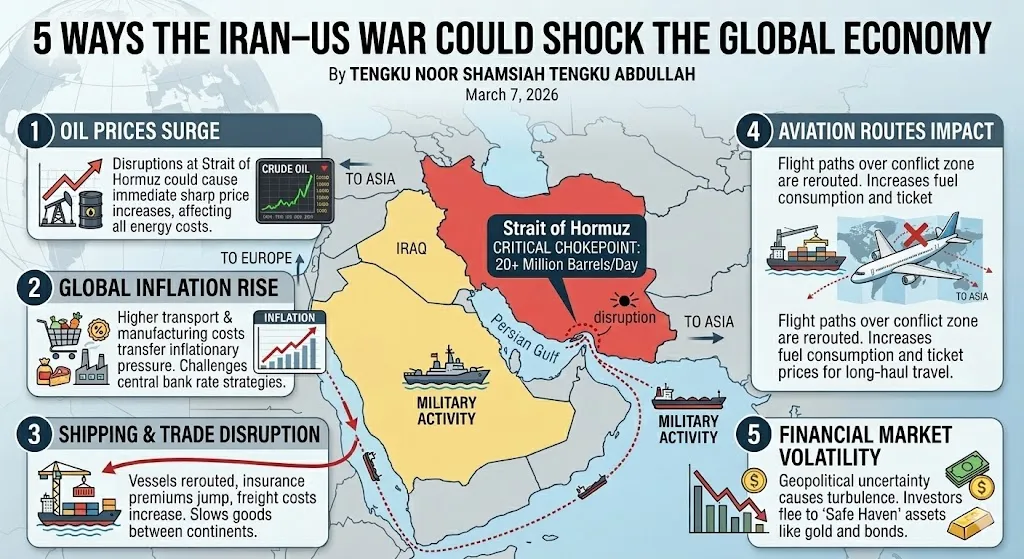
At the centre of the crisis is the Strait of Hormuz, a strategic shipping route through which around one-fifth of the world’s oil supply passes.
Traffic through the strait has reportedly dropped to just 10% of normal levels, according to industry data.
Several large oil producers in the region, including Saudi Arabia, United Arab Emirates, Iraq and Kuwait, have reportedly been forced to suspend shipments due to security concerns.
The disruption has already halted the transport of an estimated 140 million barrels of oil, roughly equivalent to 1.4 days of global oil demand.
Energy Supply Chain Under Pressure
Energy experts warn that the crisis could trigger a chain reaction across global supply chains.
“If this war continues for a few weeks, GDP growth around the world will be impacted,” al-Kaabi said.
“Everybody’s energy price is going to go higher. There will be shortages of some products and factories will struggle to supply.”
Europe is expected to face significant pressure if Asian buyers compete aggressively for the remaining liquefied natural gas supplies on the market.
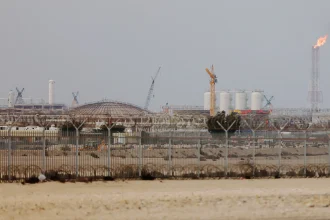
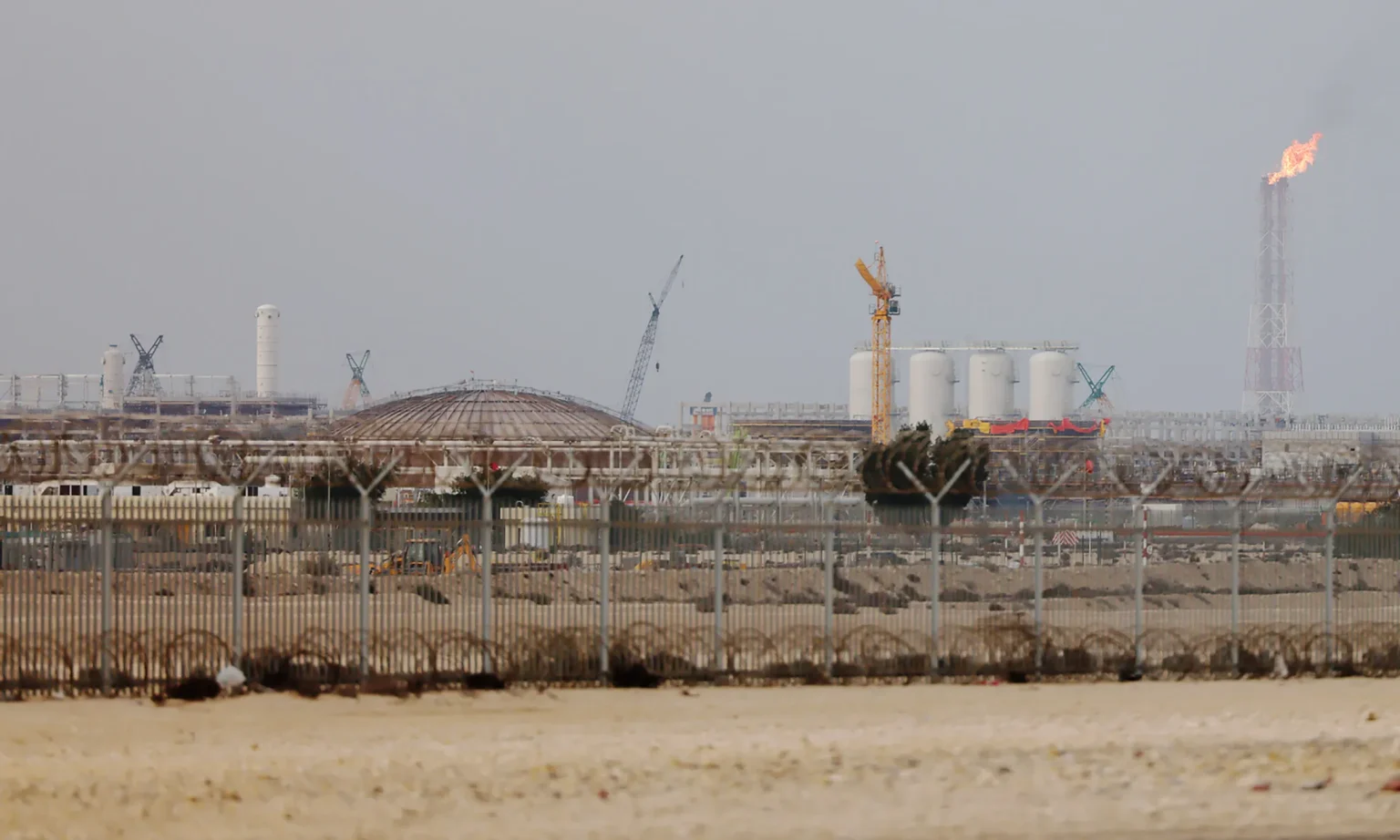
The situation has been worsened by a drone strike on Qatar’s largest liquefied natural gas (LNG) facility, which officials say could take weeks or even months to return to normal operations.
Inflation and Global Economic Risks
Economists warn that prolonged energy disruptions could trigger a fresh wave of global inflation.
Rising fuel prices would increase costs across several industries, from transportation and manufacturing to consumer goods production.
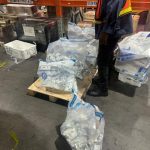
Nearly 40% of global plastic production relies on crude oil, meaning price spikes could impact everyday products ranging from packaging to furniture and electronics.
Mohamed El-Erian, an economist at the University of Pennsylvania, warned that households in many countries could face higher energy bills, rising interest rates and increased prices for goods and services.
A prolonged spike in oil prices could also slow global economic growth. Analysts estimate that a temporary increase to $100 per barrel could reduce global GDP growth by around 0.4 percentage points.
Attacks on Oil Tankers Raise Tensions
The conflict has also seen increased attacks on shipping in the region.
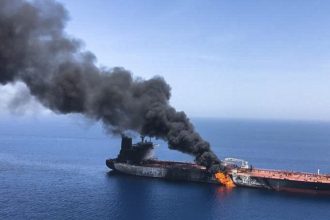
Iran’s Islamic Revolutionary Guard Corps claimed that an oil tanker in the Strait of Hormuz was set ablaze after being struck by an Iranian drone, while another tanker was reportedly targeted in the same waters.
The escalation raises fears that critical energy infrastructure and shipping routes could become regular targets if the conflict continues.
Global Markets on Edge
With energy markets already reacting to the instability, economists warn that the longer the conflict continues, the greater the risk to global economic stability.
Higher fuel costs could ripple through financial markets, increase inflation pressures and slow economic growth worldwide.
For policymakers and investors, the conflict now represents one of the most serious geopolitical threats to global economic stability in recent years.