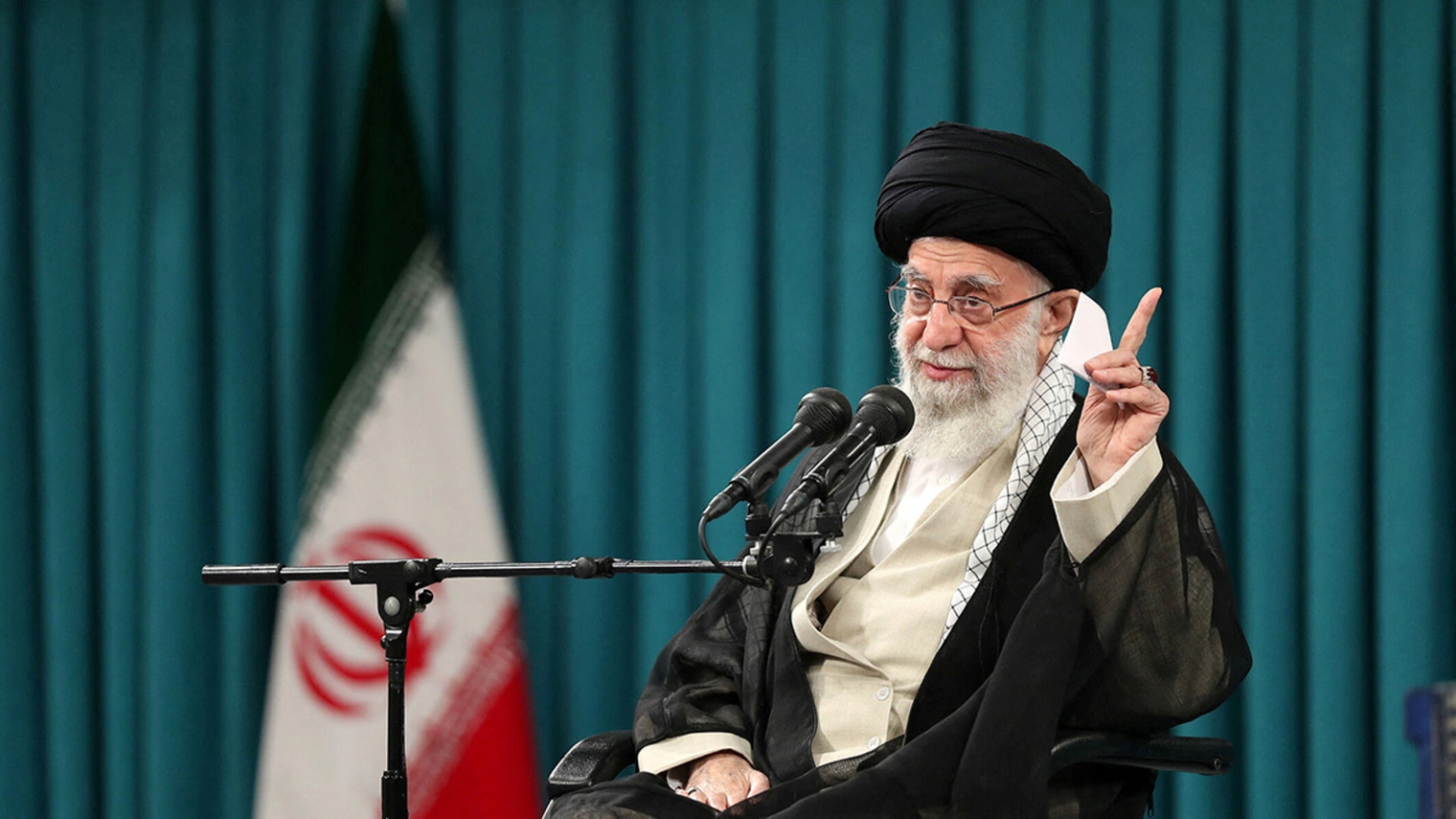
Iran’s Supreme Leader Ayatollah Ali Khamenei has taken a firm stance against ongoing protests, warning that what he describes as “rioters” will face decisive action from the state. His remarks come after a week of demonstrations across the country, sparked by economic distress and a sharply weakening national currency.
Speaking on Saturday in comments broadcast on state television, the 86-year-old leader attempted to distinguish between what he views as legitimate protest and outright unrest. According to Khamenei, grievances should be addressed through dialogue, but disorder, in his words, demands a different response.
“We talk to protesters, the officials must talk to them,” he said. “But there is no benefit to talking to rioters. Rioters must be put in their place.”
Economic Pressure Fuels Unrest
The protests, described by activists as the largest since the demonstrations that followed the death of Mahsa Amini in 2022, have been driven largely by economic frustration. Iran’s currency has continued to lose value, eroding purchasing power and placing further strain on households already grappling with high living costs.
Khamenei placed responsibility for the currency’s collapse squarely on foreign adversaries, alleging that external forces were inciting unrest among traders and shopkeepers. He claimed that some individuals had been “incited or hired by the enemy” to chant slogans against Iran’s political and religious foundations, though no evidence was presented to support the accusation.
Rising Death Toll and Security Concerns
At least 10 people have reportedly died since the protests began. State media reported two additional deaths overnight into Saturday. One incident occurred in the city of Qom, where a man was killed in a grenade explosion. According to security officials quoted by the state-owned IRAN newspaper, the individual was allegedly carrying the device with the intention of attacking civilians.
Another death involved a member of the Basij, a volunteer force linked to Iran’s Revolutionary Guard, who was killed in the town of Harsin. These incidents have further heightened tensions as authorities tighten security in affected areas.
Protests Spread Nationwide
Despite the warnings from Tehran, demonstrations have continued to spread. The US-based Human Rights Activists News Agency reported protests in around 100 locations across 22 of Iran’s 31 provinces. This scale underscores the depth of public frustration and the challenge facing Iran’s leadership as it attempts to restore order without igniting wider unrest.
Iran’s recent history offers sobering context. In 2019, protests over fuel price increases resulted in approximately 300 deaths. The 2022 demonstrations linked to Mahsa Amini’s death led to more than 500 fatalities and the detention of over 22,000 people, according to human rights groups.
International Tensions Add to the Pressure
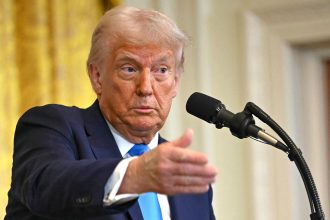
Khamenei’s comments followed remarks by US President Donald Trump, who stated that Washington would “come to their rescue” if Iran “violently kills peaceful protesters.” The response from Tehran was swift and hostile, with officials threatening retaliation against US troops stationed in the Middle East.
Further complicating the geopolitical backdrop, reports emerged on Saturday claiming that Venezuelan President Nicolás Maduro, a long-time ally of Iran, had been captured by US forces. While details remain unclear, the development added another layer of strain to already fragile international relations.
A Familiar Pattern, With Uncertain Outcomes
Iran’s leadership has long framed domestic unrest as the result of foreign interference, while critics argue that economic mismanagement and political repression lie at the heart of the problem. As protests continue, the balance between dialogue and force appears increasingly delicate.
Whether the government’s distinction between protesters and “rioters” will calm the streets or inflame tensions remains uncertain. What is clear is that Iran once again finds itself at a crossroads, with economic hardship, public anger and international pressure converging in ways that are difficult to control.