What was meant to be a global celebration of football is increasingly being overshadowed by political tension, as thousands of fans cancel plans to attend the FIFA World Cup 2026 in the United States.
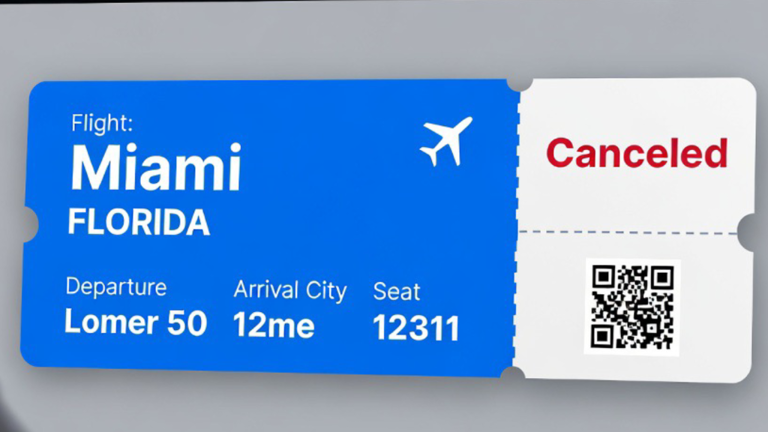
Reports indicate that around 16,800 tickets have already been cancelled worldwide, with the figure continuing to rise. The cancellations are not being driven by travel costs or accommodation issues, but by growing fears about personal safety and the risk of confrontations with US immigration authorities.
Immigration enforcement sparks global concern
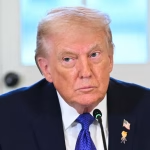
Fans across several continents say their decision to stay away is linked to the current climate around immigration enforcement in the US under President Donald Trump. In recent weeks, videos and first-hand accounts of aggressive Immigration and Customs Enforcement (ICE) actions have circulated widely online, prompting anxiety among international travellers.
Many supporters argue that even short-term visitors could be subjected to questioning, detention or other forms of scrutiny, creating what they describe as a “climate of fear” that is incompatible with a global sporting event.
From cancellations to boycott calls
What began as isolated ticket refunds has evolved into a broader protest movement. Supporters from Europe, Africa, South America and Asia have taken to social media to publicly share their cancellations, often posting screenshots of refund confirmations instead of travel itineraries.
Under hashtags such as #BoycottWorldCup, fans are urging others to follow suit, framing their decision as a stand against what they see as policies that undermine the values of openness and unity traditionally associated with the World Cup.
For many, the issue has moved beyond football. Supporters say the tournament cannot credibly promote global togetherness while being hosted in an environment they perceive as hostile to foreign visitors.
FIFA faces mounting pressure
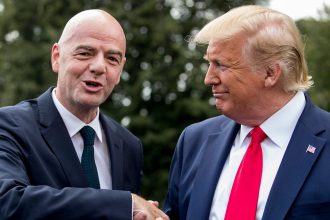
The growing backlash has reportedly forced FIFA into urgent internal discussions. With the United States set to co-host the 2026 tournament alongside Canada and Mexico, concerns are mounting about whether current conditions could damage attendance, global viewership and the competition’s reputation.
Fans who once spent months planning trips are now actively discouraging others from travelling, warning that the risks outweigh the experience. The rapid shift from anticipation to protest is reshaping global conversations around the tournament.
A test for the World Cup’s global image
The World Cup has long been marketed as a unifying global spectacle, transcending politics and borders. However, the wave of cancellations suggests that, for many supporters, the political environment of the host nation cannot be separated from the event itself.
As calls for a boycott continue to grow, FIFA and US organisers may face increasing pressure to address safety concerns and reassure international fans that they will be welcomed rather than feared.
Whether the trend continues or stabilises remains to be seen, but the message from many fans is clear: football alone is no longer enough to outweigh concerns about personal security and political climate.