The integrity of South Africa’s Parliament is under scrutiny following a formal call for the recusal of three high-profile members from the Ad Hoc Committee investigating serious allegations made by KwaZulu-Natal Police Commissioner Lieutenant General Nhlanhla Mkhwanazi.
In a letter addressed to the Speaker of the National Assembly, the chairman of the advocacy group Real Democracy, Srinivasen Naidoo, urged the immediate withdrawal of Julius Malema, Dianne Kohler Barnard, and Ian Cameron from the committee, citing potential conflicts of interest that could undermine the legitimacy of the inquiry.
Ethical and Legal Concerns Raised
Naidoo argues that each of the three MPs faces ethical or procedural issues that compromise their ability to fairly participate in the proceedings.
Malema, who was recently convicted of misconduct and is awaiting sentencing, remains a sitting MP. Although constitutional provisions stipulate that disqualification only takes effect after sentencing, Real Democracy contends that his continued involvement in deliberations related to law enforcement raises moral and ethical red flags.
“His presence could detract from Parliament’s moral authority,” the letter states.
Political analyst Sipho Seepe previously noted that should Malema face a custodial sentence exceeding 12 months, he would forfeit his parliamentary seat, in line with the Constitution.
Similarly, constitutional law expert Professor George Devenish warned that the judgment may jeopardise Malema’s political career.
“No one should serve in Parliament while having a criminal record against them,” Devenish said.
Implicated Members and Conflict of Interest
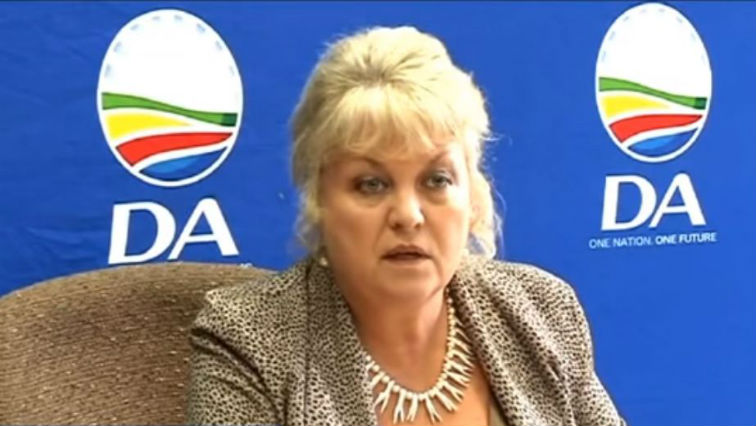
The call for recusal extends to Kohler Barnard and Cameron, both of whom are allegedly implicated in Mkhwanazi’s sworn statement. Naidoo argues that their continued participation in a committee where they are named as subjects of investigation violates the principles of natural justice and could compromise procedural fairness.
“They should testify under oath rather than sit as adjudicators in a process where they are named parties,” Naidoo asserted.
The letter further cites Parliament’s Code of Ethical Conduct, which compels MPs to uphold high standards of integrity and avoid situations that may lead to a conflict of interest. Allowing the implicated members to remain, Naidoo said, “undermines the credibility and impartiality of Parliament’s oversight function.”
Political Reactions and Pushback
Reacting to the calls for recusal, Ian Cameron dismissed the demands as politically motivated.
“No one will recuse themselves. We are not going to be dictated to,” Cameron said. “This is about fairness — we can’t find people guilty without giving them a chance to speak for themselves.”
However, Umkhonto we Sizwe Party MP David Skosana rejected Cameron’s stance, emphasizing that the issue transcends party politics.
“A police officer with constitutional powers has made allegations under oath. Her continued presence in this committee undermines its integrity,” Skosana said. “This is not a DA matter — it is a committee matter.”
A Test of Parliamentary Integrity
Naidoo concluded his letter by urging the Speaker to appoint temporary replacements for the implicated MPs to safeguard the credibility of the committee and uphold democratic accountability.
“Failure to address these conflicts risks tarnishing the entire investigative process and eroding public faith in Parliament,” Naidoo warned.
The Ad Hoc Committee continues its probe into alleged corruption, criminal infiltration, and misconduct within SAPS leadership and political structures—an inquiry that has already drawn national attention for its explosive testimony and political ramifications.