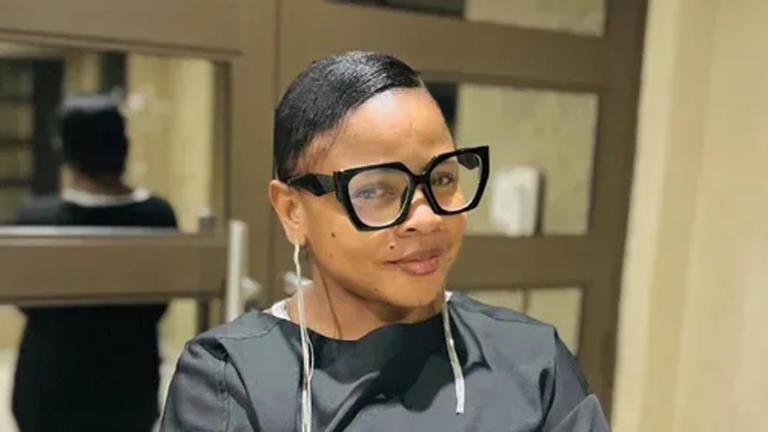
Whistleblowing in South Africa often comes with heavy personal consequences, and the story of Construction Education and Training Authority (Ceta) official Tumiso Mphuthi captures that reality with painful clarity. Mphuthi, who has been suspended for three years, believes her efforts to expose alleged corruption inside the organisation have turned her into a target rather than a protected voice.
Her disclosures, which she says span from 2018 to 2024, centre on alleged tender rigging, irregular instructions, and questionable processes inside Ceta’s supply chain management structures. Despite raising her concerns through the legal protections of the Protected Disclosures Act, Mphuthi says each report only made her more vulnerable.
Speaking to the Cape Times, she explained that every time she submitted a protected disclosure, retaliation seemed to follow. By her account, none of her reports from 2018, 2019, 2021 or 2024 were properly investigated. Instead, she found herself facing suspension, internal charges, and pressure that tested both her resilience and career.
She described her growing resolve, shaped by repeated backlash: after her second disclosure, she had to develop what she calls “thick skin.” In her view, looking away from wrongdoing simply wasn’t an option. Failing to report it, she said, would make her complicit. That personal ethic, however, placed her in the crosshairs of those who preferred silence.
Ceta leadership has previously denied the allegations. When approached for comment on the latest claims, the authority did not respond.
What concerns Mphuthi most is that those she accused of wrongdoing seemed to receive protection instead of scrutiny. In her words, “The people responsible for the corruption I reported were protected and given promotion. As a whistleblower, you are then seen as a problem, seen as a stumbling block.”
Her comments come at a time when South Africa is deeply unsettled by the killing of Marius van der Merwe, a key witness at the Madlanga Commission. Van der Merwe, a security company owner, was shot outside his Brakpan home after testifying that Ekurhuleni Metro Police Department officers were involved in the torture and murder of an unnamed man, allegations that heightened fears about the safety of whistleblowers and witnesses.
For Mphuthi, her troubles began with what she describes as an instruction to participate in an irregular process. She recalled being asked to appoint a company that would deliver a predetermined disciplinary outcome—an alleged unlawful instruction that formed the basis of her first protected disclosure.
Her concerns only grew over the years as she identified what she believed were further irregularities involving tenders. Each time, she followed the protected disclosure route. Each time, she says, nothing happened. And each time, the consequences for her seemed to escalate.
In 2023, her suspension followed. By her account, instead of investigating her reports, she was charged with the very irregularities she was attempting to expose.
Mphuthi says she is now “making peace” with the likelihood that her whistleblowing will end her public-sector career. She believes many state institutions prefer compliant employees over those who question wrongdoing. It’s a bleak conclusion, but one she says she has reached after years of punishment for doing what she thought her job—and her conscience—required.
Her story adds to the growing national debate about the protection of whistleblowers. As South Africa confronts ongoing corruption scandals, high-profile commissions, and threats against witnesses, Mphuthi’s experience is another reminder of the dangers faced by those who choose to speak out.