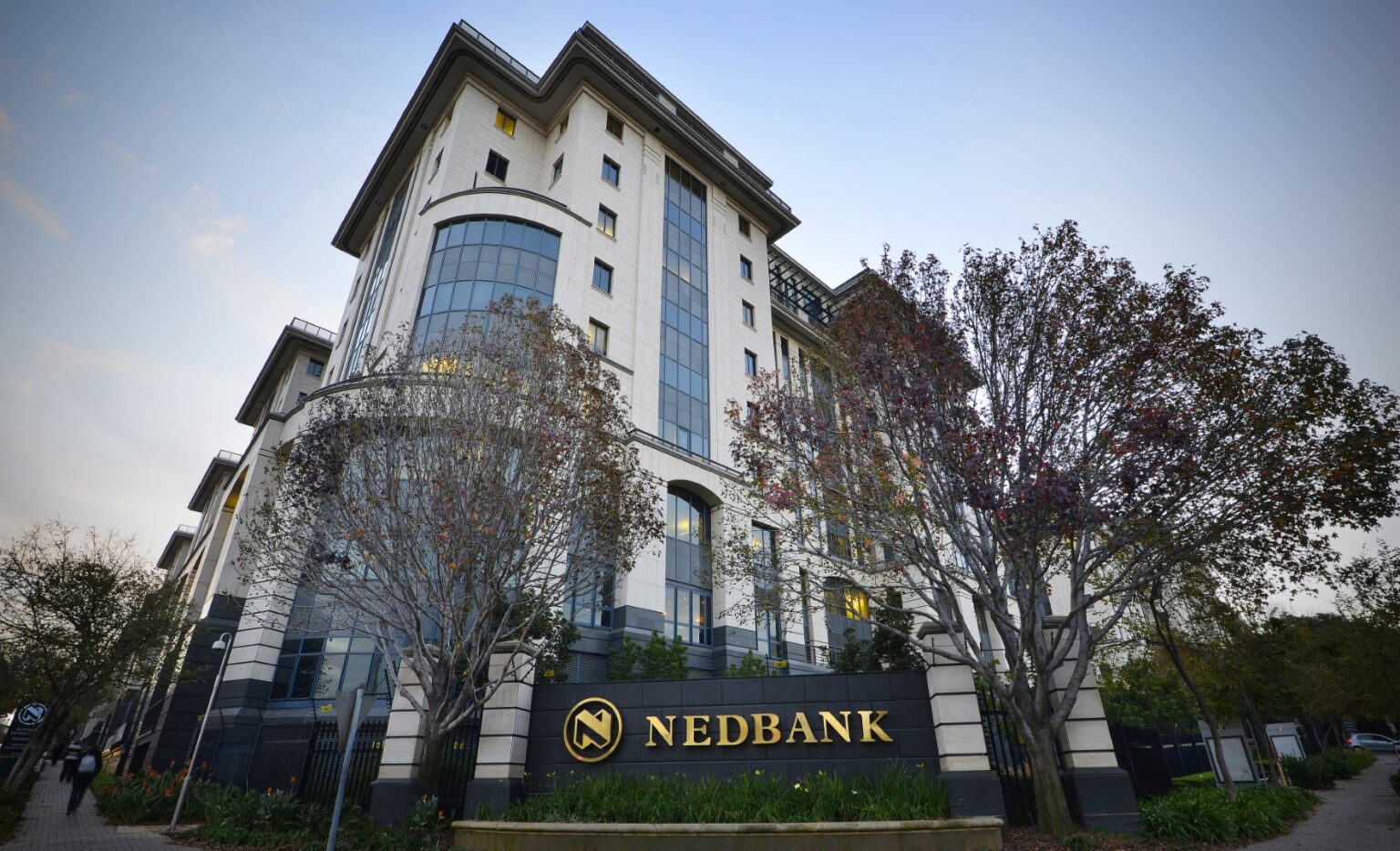
Nedbank has quietly paid R600 million to Transnet to end a lengthy legal showdown linked to Gupta-era state capture transactions, bringing one of the most high-profile financial disputes of recent years to a close.
In a joint statement, the two companies confirmed they had reached a commercial settlement in their litigation. Nedbank’s payment, they stressed, was made without any admission of liability and represents a full and final resolution of the matter.
Both institutions emphasised that the agreement was in the national interest, signalling a desire to stabilise relations after years of tension.
“Transnet and Nedbank have a long-standing relationship, and the settlement of this litigation allows them to continue to develop this important relationship in the national interest and for the furtherance of infrastructure investment and economic growth,” they said.
The dispute stems from interest-rate swap (IRS) transactions concluded in 2015 and 2016 during Transnet’s controversial multibillion-rand locomotives procurement programme. These deals featured prominently in the State Capture Commission, which exposed how the procurement process was infiltrated by political influence and Gupta-linked networks.
A year ago, Nedbank was preparing for a drawn-out legal battle after Transnet and the Special Investigating Unit (SIU) sought to recover R2.7 billion, alleging the IRS deals formed part of a broader scheme to loot public funds.
They argued the transactions were arranged under the advisory of Regiments Capital, a financial advisory firm tied to the Gupta family. Regiments allegedly used its proximity to political power to manipulate procurement processes and funnel state money to Gupta-linked entities.
The State Capture Commission found the swap transactions “potentially corrupt,” though Nedbank has consistently maintained that it had no knowledge of Regiments’ alleged collusion with Transnet officials or any Gupta-linked interests.
Interest-rate swaps are financial instruments used by large corporates to manage interest-rate exposure. No principal amount changes hands; instead, parties exchange interest-payment obligations. The Commission, however, found that these instruments were weaponised to divert vast sums of public money through artificially structured fees.
During May 2019 testimony at the Commission, Transnet executive Peter Volmink described how internal controls were overridden through “processes designed to bypass open bidding,” enabling state capture actors to embed themselves into Transnet’s procurement machinery.
All of these developments occurred during the tenure of former Nedbank CEO Mike Brown, who led the bank from 2010 until stepping down in May 2024. During his 15-year tenure, Brown earned just under R515 million, averaging about R94,000 per day.
He was succeeded in June 2024 by Jason Quinn, formerly Absa’s finance director.
With the R600 million settlement now concluded, both Transnet and Nedbank appear intent on closing a turbulent chapter of the state capture era—though questions about deeper accountability within South Africa’s financial sector are likely to linger.