The government of eSwatini has received ten additional deportees from the United States as part of a controversial agreement that allows Washington to expel undocumented or convicted foreign nationals to the southern African kingdom.
This latest arrival follows the first group of five men who were transferred in July. The move is part of a broader US deportation programme that has also sent migrants to Ghana, Rwanda, and South Sudan, sparking backlash from human rights organisations who have branded it a “legal black hole.”
According to the agreement signed in May 2025, eSwatini consented to accept up to 160 deportees in exchange for R94 million in funding aimed at boosting “border and migration management capacity.”
The eSwatini Correctional Services Department confirmed the new arrivals in a statement this week, noting that the deportees had been “securely accommodated in one of the country’s correctional facilities.” The department added that authorities would “facilitate their orderly repatriation.”
While the statement avoided naming nationalities, US-based attorney Tin Thanh Nguyen, who represents several deportees, told AFP that the group includes three Vietnamese, one Filipino, and one Cambodian.
“One of my clients tried to assert a reasonable fear of harm being deported to eSwatini, but ICE ignored him and put him on the plane anyway,” Nguyen said.
Nguyen, who also represents a Vietnamese and a Laotian from the first batch of deportees, described the situation in eSwatini as a “legal black hole”, claiming his clients have been detained without charge since mid-July and denied all legal counsel or communication.
“I cannot call them. I cannot email them. I cannot communicate through local counsel because the eSwatini government blocks all attorney access,” he said.
Deal Details and Legal Controversy
The US-eSwatini deal—signed 14 May 2025—permits the deportation of “third-country nationals” who may include individuals with criminal backgrounds or terrorism designations.
US authorities said the initial group included men convicted of serious crimes such as child rape and murder, but their lawyers argue that all five had completed their sentences long before being expelled.
Once in eSwatini, they were reportedly placed in the Matsapha Maximum Security Correctional Centre, a facility known for holding political prisoners and plagued by overcrowding and harsh conditions.
One of the detainees, a 62-year-old Jamaican, was repatriated to his home country last month, though his release only came after weeks of diplomatic and legal pressure.
Local legal advocates in eSwatini have now challenged the legality of the detentions in court. A judge recently granted a lawyer permission to meet four of the detainees, but the government immediately appealed, suspending the ruling.
Global and Human Rights Implications
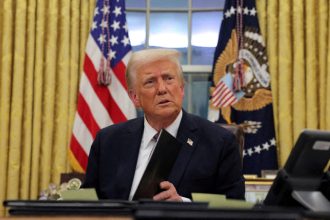
The deportation policy, initiated under US President Donald Trump, has faced severe international criticism. It allows for the removal of individuals to third-party nations rather than their countries of origin—often to nations with limited human rights oversight.
Rights experts warn this could violate international law, particularly the principle of non-refoulement, which prohibits sending individuals to places where they face torture or persecution.
Human Rights Watch has urged African governments to reject such agreements outright, describing them as “a dangerous outsourcing of human responsibility.”
“By accepting these deportees, countries like eSwatini risk complicity in human rights violations,” the organisation said last month.
The Trump administration has previously used similar tactics, sending deportees to El Salvador, where many faced violence or imprisonment shortly after arrival.
A Delicate Balancing Act
For eSwatini—a small, landlocked monarchy bordered by South Africa and Mozambique—the agreement represents both a financial opportunity and a diplomatic dilemma.
While the government insists the funds are intended to strengthen border control and migration systems, critics say the arrangement effectively turns the country into a detention hub for foreign prisoners.
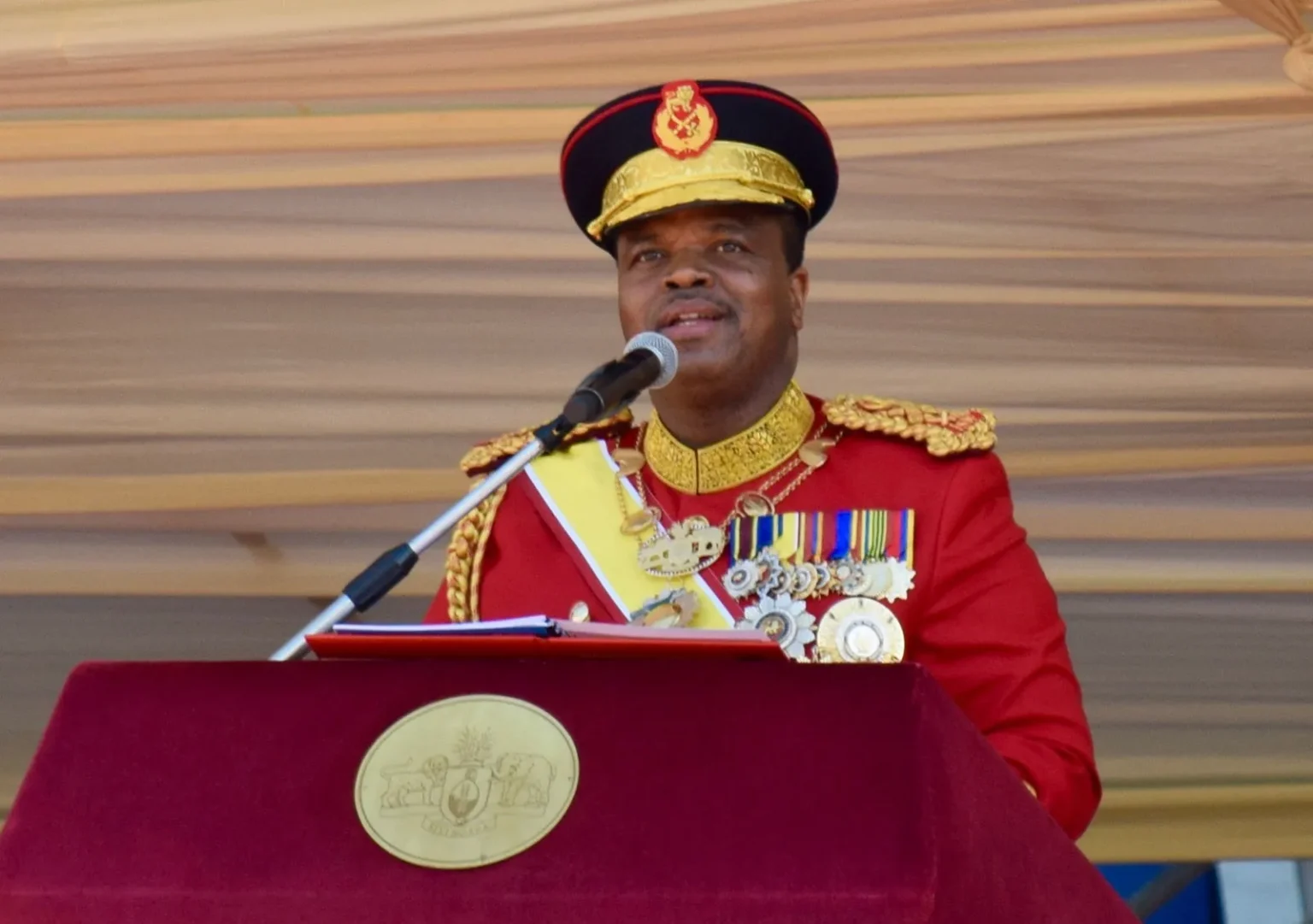
King Mswati III, who has ruled since 1986, has faced frequent accusations of human rights abuses and suppression of dissent, raising further concerns about the deportees’ treatment.
As the number of arrivals grows, so too does the scrutiny—both from within eSwatini’s courts and from the international community watching how this unprecedented deal unfolds.