The United States has implemented a sweeping new border security policy that requires all travelers entering or leaving the country by land, sea, or air to be photographed, a move that could further discourage international travel to American destinations.
The policy, which came into effect on 26 December 2025, was introduced by the Department of Homeland Security (DHS) and expands the government’s facial recognition and biometric comparison systems across all US ports of entry.
Full details of the measure were published in the Federal Register in October, with DHS stating the expansion was necessary to strengthen national security.
Applies to everyone — including US citizens
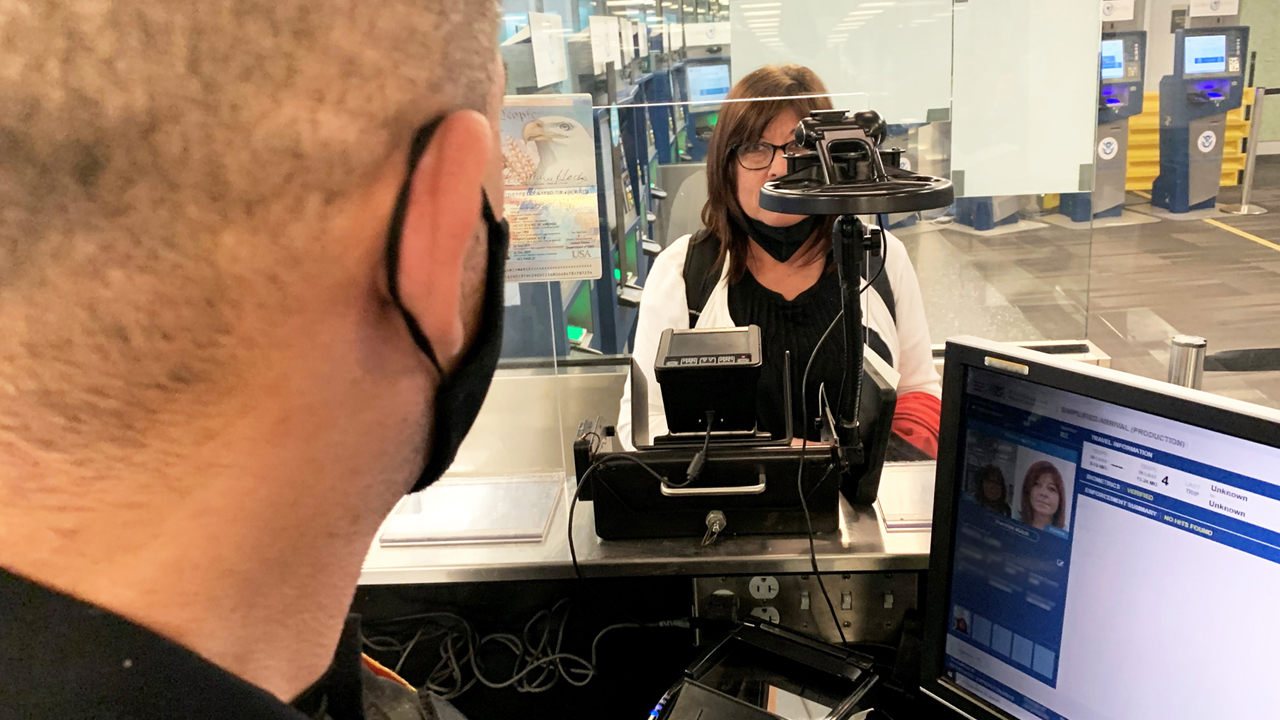
Under the new rules, all travelers, including American citizens, are subject to facial photographs:
-
Air travelers will be photographed during airline check-in
-
Land border crossings will require photographs at entry points
-
Sea travelers will be photographed when docking or disembarking
The images collected will be cross-referenced with passport and identification data, a process that reportedly takes an average of 3.42 seconds.
According to Global News, the US government will retain collected data for up to 75 years, although photographs of US citizens will only be kept for 12 hours, and Americans can opt out of facial recognition if they choose.
Fingerprints collected from some travelers
In addition to facial recognition, DHS has confirmed that fingerprint scans will also be collected from travelers from certain countries upon entry and exit.
However, Canadians and travelers from visa-exempt countries are not subject to fingerprint data collection.
Homeland Security cites national security threats
The Department of Homeland Security says the expanded biometric measures are required to address a range of security risks, including:
-
Terrorist threats
-
Fraudulent use of legitimate travel documents
-
Visitors overstaying their visas
-
Individuals present in the US without formal admission
Despite these justifications, critics argue the measures significantly expand surveillance and may deter legitimate travelers.
Tourism sector already under pressure
The new border rules come at a time when US travel and tourism are already facing headwinds. International travelers have grown increasingly cautious amid several controversial policies introduced by the Trump administration, including proposals to request up to five years of social media history from travelers from certain countries.
According to the US Travel Association, inbound travel to the United States was projected to decline by 6.3%, falling from 72.4 million visitors in 2024 to 67.9 million in 2025.
Travel volumes were also expected to reach only 85% of pre-pandemic 2019 levels, while inbound travel spending was forecast to drop by 3.2% to $179 billion in 2025 — a loss of approximately $5.7 billion compared to 2024, according to CBC News.
Privacy concerns and economic risks
While the US government maintains that expanded biometric surveillance is critical for national security, tourism analysts warn that the measures may further damage America’s global travel appeal.
As more countries compete for international visitors, critics argue that increased surveillance, long data retention periods, and stricter entry rules risk reinforcing perceptions that the United States is becoming a less welcoming destination for global travelers.