The United States ambassador to the United Kingdom has warned that cancelling the anticipated state visit by King Charles III to Washington would be “a mistake”, as political tensions and global conflict cast uncertainty over the high-profile trip.
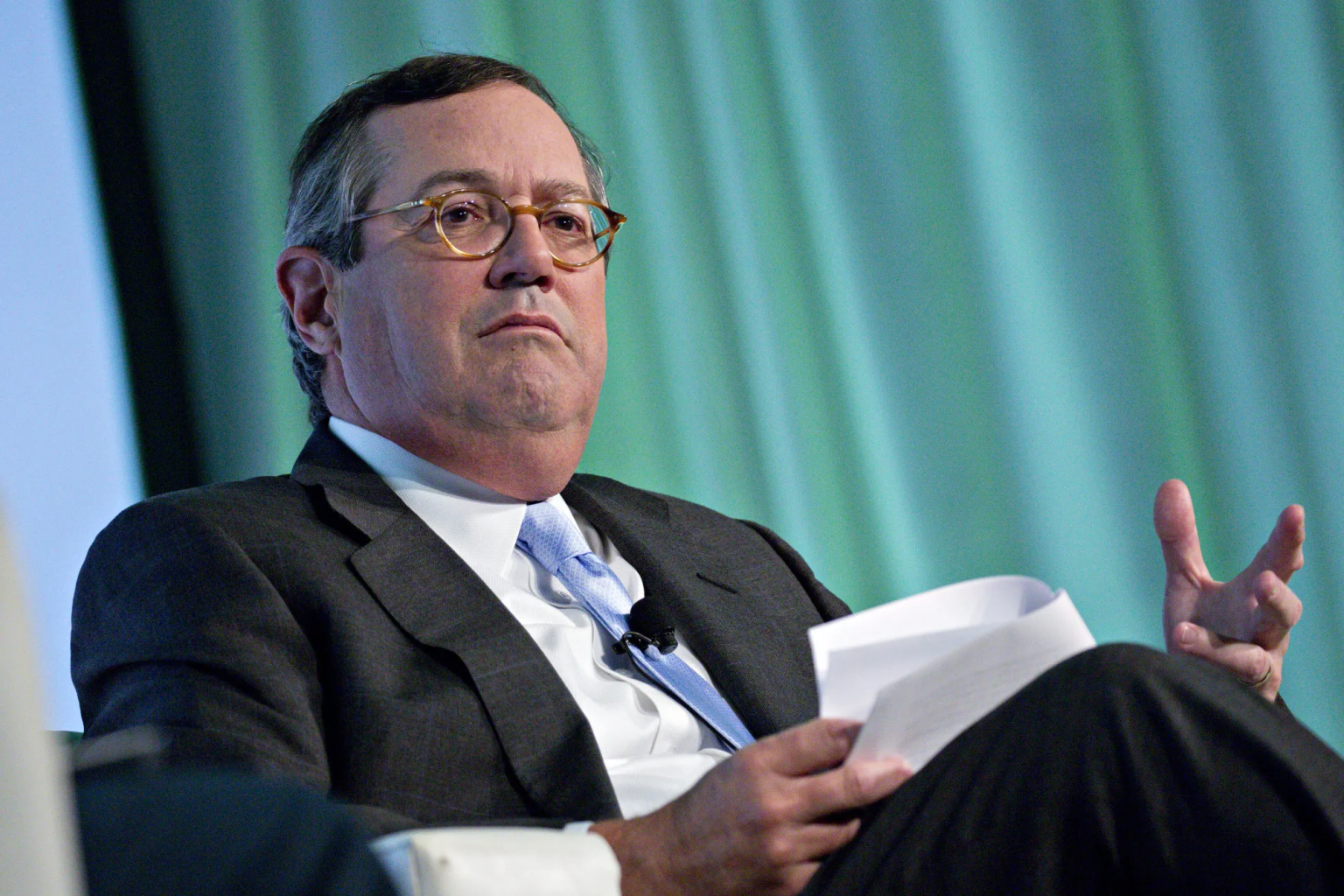
Speaking at a business conference in London, Warren Stephens signalled strong support for the visit proceeding, despite mounting calls from British political figures to delay or scrap it altogether.
“I think he will go and I think it will be a very meaningful trip for him,” Stephens said, while stopping short of confirming official dates.
Plans for Historic Address in Washington
Although Buckingham Palace has yet to formally announce the visit, preparations appear to be underway behind the scenes. Reports suggest that Mike Johnson has invited the King to address both chambers of the US Congress—a rare and symbolic diplomatic gesture.
Sources in Washington indicate that congressional leaders have been advised to prepare for a joint session during a proposed visit window in late April, hinting at the significance being attached to the trip.
The visit is also expected to align with celebrations marking the 250th anniversary of the United States Declaration of Independence, adding further diplomatic weight.
Political Tensions Complicate Visit
However, the planned visit is unfolding against a complex geopolitical backdrop, including escalating conflict in Iran and strained relations between Washington and London.
US President Donald Trump has publicly criticised UK Prime Minister Keir Starmer, reportedly questioning his leadership after initial reluctance to allow US military use of British bases in operations linked to Iran.
Behind the scenes, concerns have also emerged that cancelling the visit could trigger a strong reaction from Washington. Sources suggest the US president views the monarch as a personal ally and may interpret any postponement as a political slight.
Growing Calls for Cancellation
Despite diplomatic encouragement from the US, several senior UK politicians have voiced opposition to the visit under current circumstances.
Emily Thornberry, who chairs the Foreign Affairs Select Committee, warned that hosting a state visit during an active conflict could place the monarchy in an uncomfortable position.
Meanwhile, Ed Davey argued that proceeding with the visit could be seen as endorsing controversial US foreign policy decisions, particularly amid concerns over the humanitarian and economic impact of the Middle East conflict.
Public Opinion Deeply Divided
Public sentiment in the UK appears similarly split. A recent YouGov poll found that nearly half of respondents support cancelling the visit, while roughly a third believe it should go ahead.
Political affiliations appear to play a significant role in shaping opinions. Voters aligned with the Green Party and Liberal Democrats are largely opposed, while Conservative supporters remain divided. Notably, Reform UK voters show the strongest backing for the visit to proceed.
A Test of Modern Diplomacy
While the UK government maintains that state visits fall under the authority of Buckingham Palace, such decisions are typically made in coordination with the Foreign Office, reflecting their broader diplomatic implications.
As tensions continue to rise globally, the proposed visit has evolved into more than a ceremonial occasion—it now represents a delicate balancing act between diplomacy, public perception, and geopolitical realities.