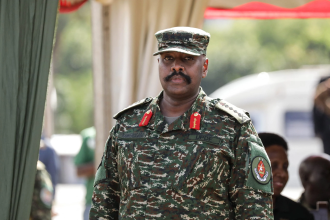
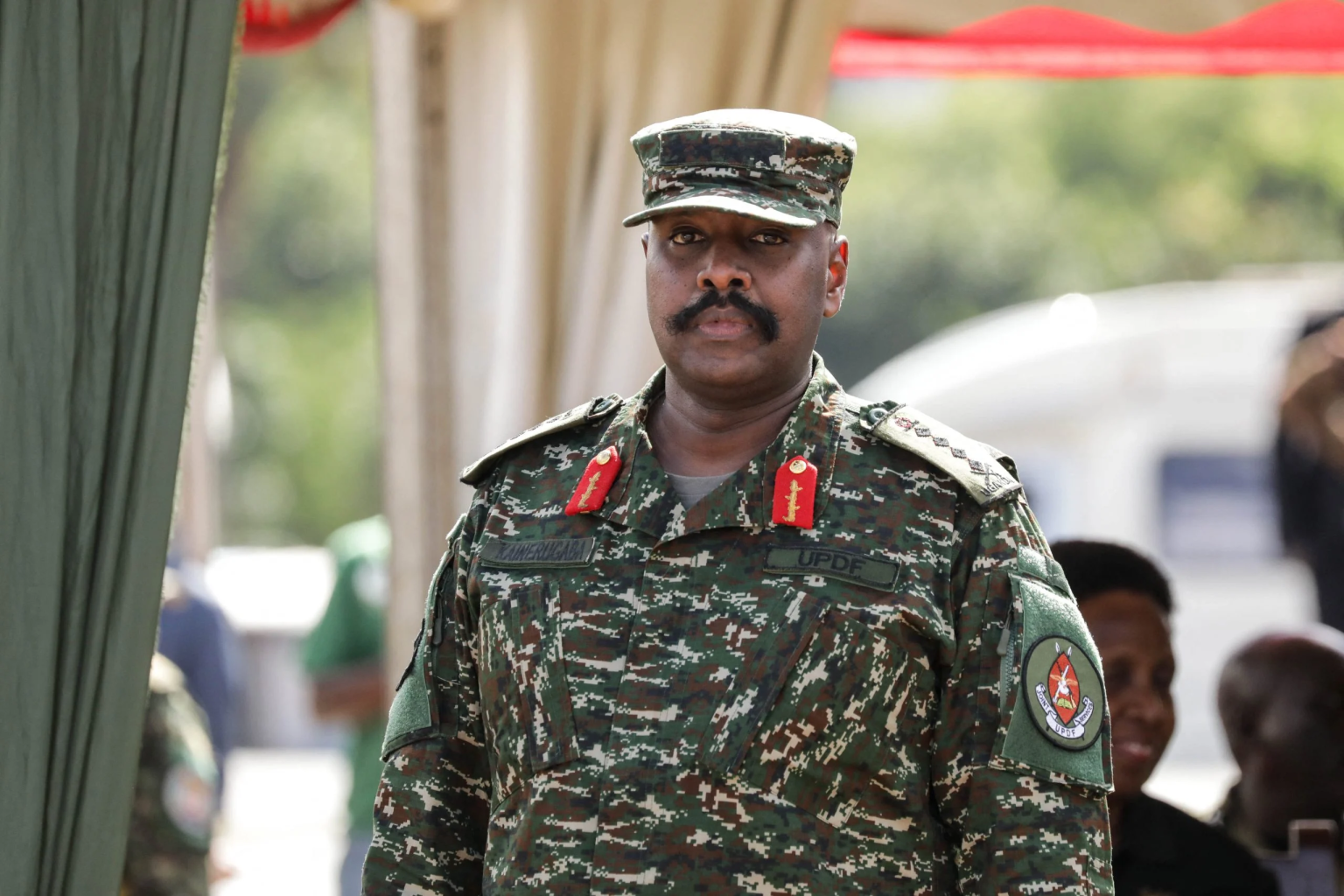
Uganda’s top military official has ignited international debate after publicly backing Israel and suggesting his country could intervene if tensions with Iran escalate further.
General Muhoozi Kainerugaba, Chief of Defence Forces and son of President Yoweri Museveni, made the remarks on social media, drawing sharp reactions from diplomatic and security observers across Africa and beyond.
While framed as personal views, Kainerugaba’s position carries weight due to his senior role and proximity to political power—blurring the line between personal opinion and potential state policy.
Strong Backing for Israel Amid Rising Middle East Tensions
Kainerugaba’s statements come as conflict intensifies between Israel and Iran, with global powers closely monitoring developments.
He declared firm support for Israel, stating that the country has a right to exist and defend itself against external threats. At the same time, he called for an immediate end to the war, reflecting a dual message of solidarity and fatigue with prolonged conflict.
However, his rhetoric went further—suggesting that Uganda could align militarily with Israel if the situation deteriorates.
In one of the more controversial remarks, later deleted, he indicated that Uganda’s military could potentially intervene, a statement that has raised eyebrows given the geopolitical sensitivity of the conflict.
Military Posturing or Personal Opinion?
The comments have triggered questions about whether Uganda’s official foreign policy is shifting or whether the remarks reflect an individual stance.
Uganda has not issued a formal government position endorsing military involvement in the Middle East conflict. However, analysts note that Kainerugaba’s influence—and his frequent use of social media—has previously shaped public perception of Uganda’s diplomatic posture.
This creates a complex dynamic:
- His statements attract global attention
- They are not always formally endorsed
- Yet they cannot be easily dismissed
Renewed Focus on Uganda–Israel Relations
Kainerugaba’s remarks also highlight Uganda’s long-standing relationship with Israel, rooted in historical and strategic ties.
Recently, he announced plans to honour Yonatan Netanyahu with a statue at Entebbe International Airport—symbolising the enduring connection between the two nations.
Yonatan Netanyahu, brother of Benjamin Netanyahu, was killed during the historic Operation Thunderbolt, a high-risk Israeli mission that rescued hostages from a hijacked aircraft in Uganda.
The Entebbe Legacy Still Shapes Modern Diplomacy
The 1976 Entebbe raid remains one of the most defining moments in Uganda-Israel relations.
During the operation:
- Israeli commandos freed over 100 hostages
- All hijackers were neutralised
- Yonatan Netanyahu was killed in action
For many, the mission symbolised Israel’s military capability and willingness to act decisively. For Uganda, it remains a complex historical moment—one that continues to influence modern political narratives.
Kainerugaba has repeatedly referenced this event, framing it as part of a broader history of cooperation and mutual support.
Regional and Global Implications
The suggestion that an African nation could take sides in a Middle East conflict adds a new layer of complexity to an already volatile situation.
If interpreted as policy, such a stance could:
- Shift regional diplomatic alignments
- Draw African states into global security debates
- Impact Uganda’s relationships with other international partners
At the same time, the remarks reflect a broader trend of leaders using social media to project influence beyond traditional diplomatic channels.
A Calculated Signal or Controversial Rhetoric?
Whether Kainerugaba’s statements are strategic signalling or provocative rhetoric remains unclear. What is certain is that they have amplified Uganda’s visibility in a global conflict far from its borders.
As tensions between Israel and Iran continue to evolve, attention will likely turn to whether Uganda formalises any position—or distances itself from the remarks.
Final Thoughts
This episode underscores how individual voices in positions of power can shape global narratives, even without formal policy backing. In an era of instant communication, the line between official stance and personal opinion is increasingly blurred.
Call to Action:
Stay informed with Virgo for sharp, in-depth coverage of global politics and African perspectives. Share this story and join the conversation shaping international affairs.