
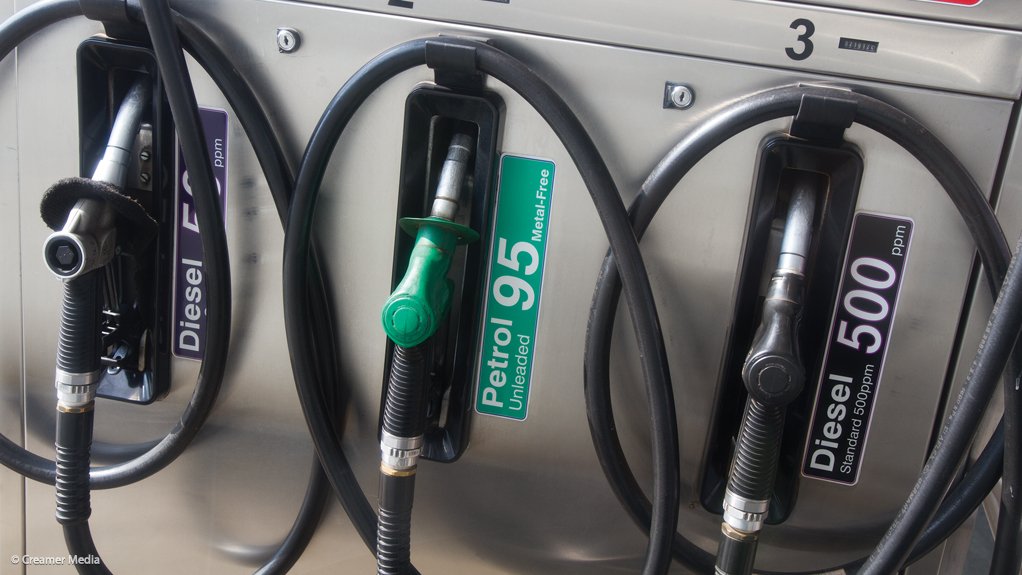
South Africa’s long-anticipated diesel ban is proceeding as planned as the country heads into the New Year, with fuel producers gradually transitioning to cleaner fuel standards.
The move forms part of the Cleaner Fuels Two (CF2) programme, which requires a significant reduction in sulphur levels in both diesel and petrol. Under the updated regulations, diesel sold in South Africa must contain no more than 10 parts per million (ppm) of sulphur by 2027.
At present, the lowest sulphur standard for diesel is 50 ppm, while fuel containing up to 500 ppm sulphur is still legally permitted.
What Cleaner Fuels Two means
The CF2 regulations go beyond sulphur reduction. Under the new standards:
-
Sulphur content must be limited to 10 ppm
-
Benzene levels must not exceed 1%
-
Aromatics must be capped at 35%
These requirements bring South Africa in line with fuel standards that have been in place in the United States and Europe for more than a decade.
Interestingly, the CF2 rules apply equally to petrol and diesel, meaning both fuel types will need to meet the same sulphur threshold.
Fuel producers investing in upgrades
According to reports, major local fuel producers have already begun preparations for the transition, investing heavily in refinery upgrades to meet the stricter specifications.
However, the shift comes at a challenging time for the industry. South Africa’s crude oil refining capacity has declined sharply over the past five years. The country now has only two operational crude oil refineries, with total refining capacity standing at roughly 350,000 barrels per day.
As a result, South Africa has become increasingly dependent on imported fuel, raising concerns about energy security and supply stability during the transition period.
Delays still possible
Despite renewed momentum, experts caution that regulatory delays remain a possibility. The CF2 standards were initially scheduled for implementation in 2017, later postponed to 2023, and have now been pushed to 2027.
While the current timeline appears more stable, previous delays have made industry players wary of further extensions.
Environmental and health pressures driving change
Beyond regulatory compliance, the push for cleaner diesel is also being driven by environmental and public health concerns.
Diesel engines are known to emit higher levels of nitrogen oxides and fine particulate matter, both of which contribute to poor air quality. These pollutants are linked to respiratory illnesses and other long-term health risks, particularly in densely populated urban areas.
Reducing sulphur and other harmful components in fuel is expected to improve air quality and lower emissions, aligning South Africa with global efforts to reduce the environmental impact of transport.
A cautious but necessary transition
While challenges remain — from refinery capacity constraints to the risk of further delays — the diesel ban marks a significant step toward cleaner energy standards in South Africa.
Whether the 2027 deadline holds will depend on regulatory certainty and the pace of infrastructure upgrades, but for now, the country appears firmly back on course.