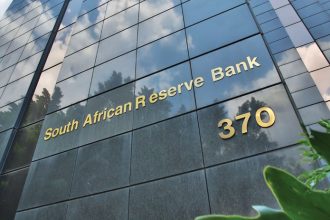
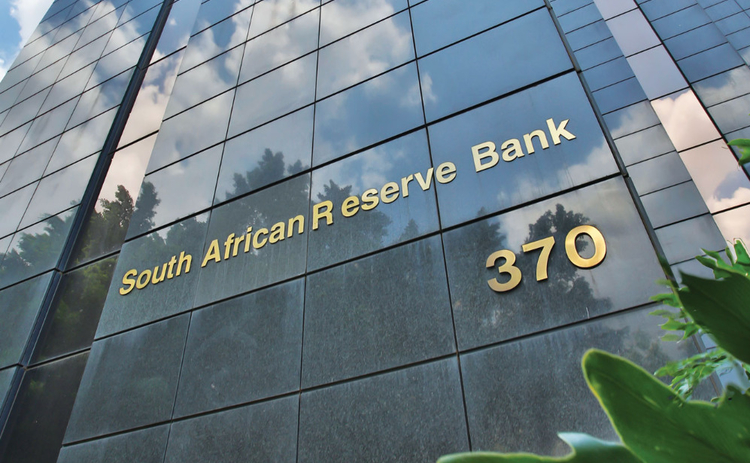
South Africa’s central bank has issued a clear warning: if the ongoing Iran conflict drags on, interest rate hikes could be back on the table.
The South African Reserve Bank (SARB) kept its repo rate unchanged at 6.75%, with the prime lending rate remaining at 10.25%, but signalled that this stability may not last if global risks intensify.
The message from policymakers is cautious but firm—external shocks, particularly rising oil prices and currency pressure, could force tighter monetary policy later this year.
Two Scenarios That Could Shift Policy
In its latest Monetary Policy Committee (MPC) statement, SARB outlined two possible paths depending on how long the Iran conflict continues.
Short-Term Conflict Scenario (Around 2 Months)
- Oil prices average close to R1,830 per barrel
- The rand weakens by roughly 5% against the US dollar
Under this scenario, inflationary pressures would increase moderately, potentially pushing SARB to tighten policy gradually.
Prolonged Conflict Scenario (Over a Year)
- Oil prices remain above R1,830 per barrel for an extended period
- The rand weakens by up to 10%
This scenario presents a far more serious risk, with sustained inflation likely forcing aggressive interest rate hikes to stabilise the economy.
Why the Iran Conflict Matters for South Africa
Although the conflict is thousands of kilometres away, its economic impact is immediate and far-reaching.
South Africa is heavily reliant on imported fuel, meaning:
- Higher global oil prices translate directly into higher petrol and diesel costs
- Transport and production costs rise across industries
- Inflation increases, reducing consumer purchasing power
At the same time, global uncertainty tends to weaken emerging market currencies like the rand, making imports even more expensive.
Pressure on Consumers and Businesses
If rates do rise, the effects will be felt across the economy:
- Homeowners could face higher bond repayments
- Consumers may struggle with increased debt costs
- Businesses could see reduced borrowing and investment
For many South Africans already dealing with a high cost of living, further rate hikes would add another layer of financial strain.
A Balancing Act for Policymakers
The SARB now faces a delicate balancing act—supporting economic growth while keeping inflation under control.
Raising interest rates can help curb inflation, but it also:
- Slows economic activity
- Reduces consumer spending
- Impacts job creation
Holding rates steady, on the other hand, risks allowing inflation to accelerate if global pressures persist.
Global Tensions Driving Local Decisions
The central bank’s warning highlights how global geopolitics increasingly shape domestic economic policy.
From oil markets to currency volatility, events in the Middle East are directly influencing:
- South Africa’s inflation outlook
- Monetary policy decisions
- Economic stability
This interconnected reality means local households are not insulated from international crises.
What to Watch Next
Key indicators that could influence SARB’s next move include:
- Duration of the Iran conflict
- Global oil price trends
- Movements in the rand
- Domestic inflation data
If pressures intensify, rate hikes could return sooner than expected.
Final Thoughts
For now, interest rates remain unchanged—but the warning from SARB is clear: this stability is conditional.
If global tensions persist, South Africans may soon face tighter monetary conditions and rising borrowing costs.
Call to Action:
Stay informed with Virgo for expert insights on South Africa’s economy and global trends shaping your finances. Share this update and prepare for what’s next.