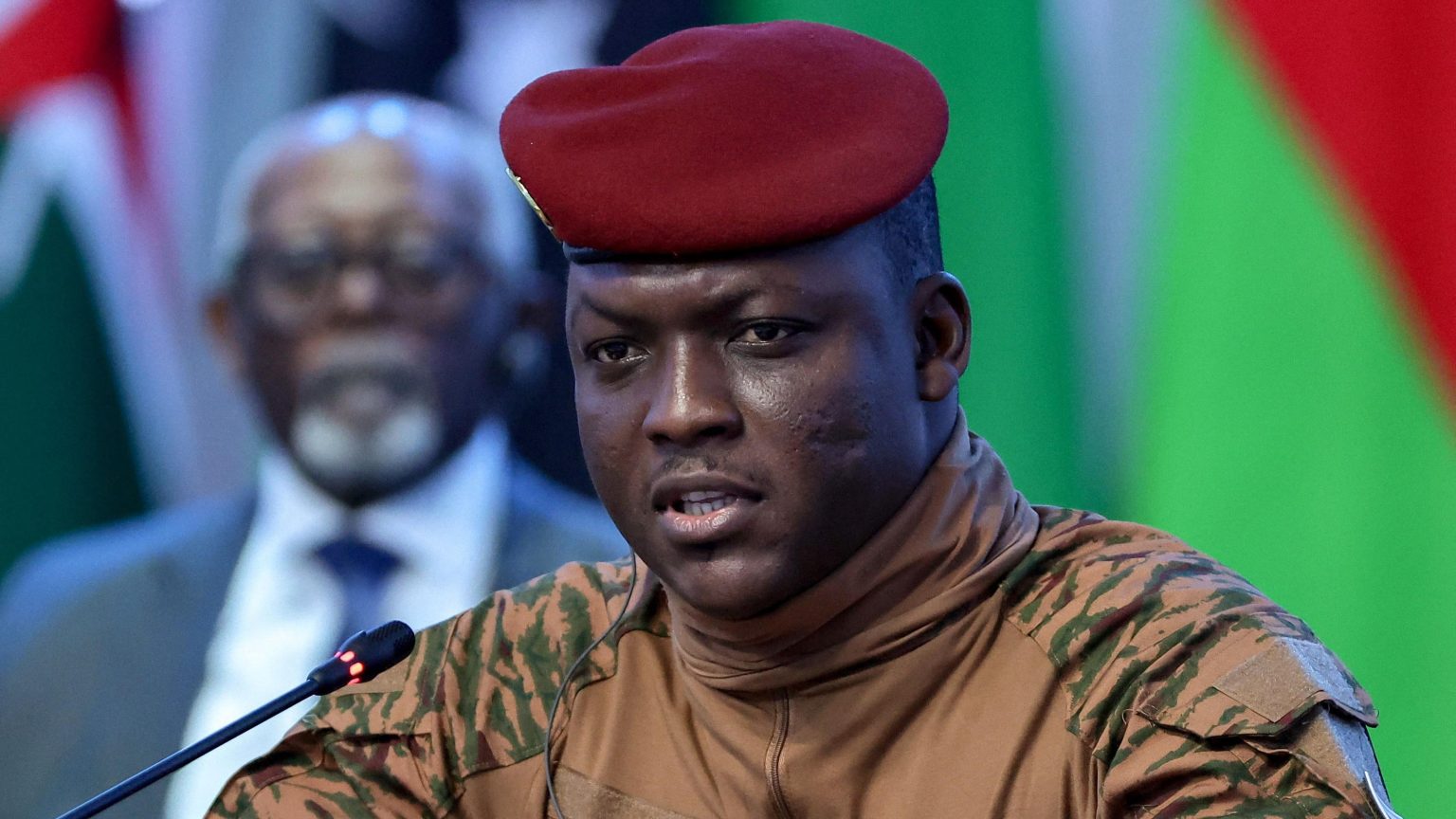
Military-led governments in Mali and Burkina Faso have issued travel bans on United States citizens, escalating diplomatic tensions after Washington expanded its own travel restrictions earlier this month.
The move follows a decision by the US government to widen the scope of its travel ban policy, formally issued on 16 December 2025 under Proclamation 10949, which added several African countries linked to the Alliance of Sahel States (AES).
US expands Proclamation 10949
According to US authorities, the expanded travel restrictions are aimed at strengthening national security by addressing what Washington describes as persistent gaps in vetting, screening, and information-sharing systems.
Countries newly affected include Mali, Burkina Faso, Niger, South Sudan, and Syria, joining others such as Afghanistan, Iran, Libya, and Somalia, which are already subject to full or partial entry bans.
The White House stated that the measures target countries with “demonstrated, persistent, and severe deficiencies” in processes designed to mitigate terrorism and public safety risks. The restrictions are expected to take effect from 1 January 2026.
Mali and Burkina Faso respond with reciprocity
In response, Mali and Burkina Faso announced reciprocal bans on US nationals, framing their decision as a matter of sovereignty and diplomatic fairness.
Officials from both countries criticised Washington’s decision as unilateral, arguing that no prior consultations took place before they were added to the US travel ban list. Malian authorities said the reasons provided by the US were disconnected from the current security and governance realities in the country.
The two governments also noted that similar US measures in the past had prompted other nations to impose their own restrictions on American travellers.
Wider Sahel backlash grows
The backlash is not limited to Mali and Burkina Faso. On Christmas Day, neighbouring AES member Niger announced through local media that it had also banned all US citizens from entering the country.
The coordinated response underscores growing defiance among Sahel military governments, which have increasingly aligned themselves against Western influence following coups and shifting regional alliances over the past several years.
Diplomatic strain likely to deepen
While travel bans are often symbolic, analysts warn that the reciprocal measures could further strain already fragile relations between Washington and Sahel states. The situation also highlights the broader geopolitical rift between Western governments and military-led regimes in parts of Africa, particularly where security cooperation and counterterrorism efforts were once closely aligned.
As the restrictions come into force in the new year, it remains unclear whether diplomatic engagement will ease tensions or whether further retaliatory steps could follow.