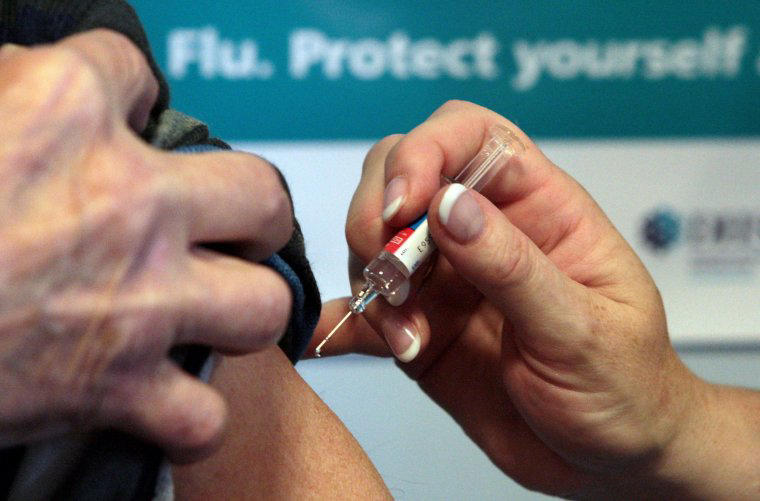
Ministers are facing renewed pressure to reverse plans that limit free access to the Covid-19 vaccine after fresh research suggested mRNA jabs may have unexpected therapeutic benefits for some cancer patients. Critics warn the policy risks creating a two-tier health system as demand for private jabs surges.
Under the current NHS guidance only adults aged 75 and over, residents in older adult care homes, and immunosuppressed individuals aged six months and over are eligible for free seasonal Covid boosters. That change in eligibility has left an estimated 13 million people who were previously eligible in autumn 2024 without an NHS route to a free booster.
Professor Stephen Griffin, a cancer virologist at the University of Leeds, described the scaling back as “bizarre”, arguing that scientists still do not fully understand Covid’s long-term effects and that restricting access now could hamper both public health and research. “We don’t know enough about the effects of Covid in the long term yet to understand what may or may not happen from people getting that infection and making their disease worse in other respects,” he said.
Private clinics report people are willing to pay to stay protected: with the NHS route narrowed, many are now buying jabs for themselves. Industry sources say private clinics have charged up to R2,297 per dose (≈ £100), a cost that campaigners say risks excluding lower-income groups from protection.
The debate intensified after a study published in Nature found that patients with lung or skin cancers who received an mRNA Covid vaccine within 100 days of starting immunotherapy survived significantly longer than those who did not. The paper’s co-senior author, Professor Elias Sayour of the University of Florida, said the team is moving rapidly toward a phase III trial that could determine whether mRNA vaccines make tumours more vulnerable to immunotherapy. If confirmed, the finding could reshape aspects of oncology practice — but the trial will take several years to report definitive results.
Professor Griffin cautioned that such research was possible in part because of the sheer scale and timing of the vaccination programme. “These kinds of associations are only identifiable because of the huge scale of the initial rollout,” he said. He warned that trimming the programme risks making future discoveries harder to detect and could reduce the evidence base for new treatments.
The Joint Committee on Vaccination and Immunisation (JCVI) has advised that the greatest benefit from additional Covid doses accrues to those at highest risk of severe illness, which informed the government’s decision to narrow eligibility. Under the revised criteria, many people with chronic conditions — including chronic respiratory disease, heart disease, chronic kidney or liver disease, Parkinson’s, multiple sclerosis and epilepsy — no longer automatically qualify for a free booster unless they are immunosuppressed.
That shift has prompted sharp criticism from patient groups and campaigners. Clinically Vulnerable Families, which took part in the UK Covid-19 inquiry, has launched a petition calling for the government to restore broader NHS access. Founder Lara Wong said the move runs counter to the NHS principle that care should be based on clinical need rather than the ability to pay. “Those at higher risk still qualify for flu vaccines, but are now expected to pay R2,297 to be protected from Covid or go without. It is a false economy,” she said, warning that reduced access could exacerbate winter pressures on the health service.
Pharmacists and private providers report a surge in demand. Malcolm Harrison, chief executive of the Company Chemists’ Association, said his members have seen a notable uptick in private Covid vaccinations since eligibility was tightened. “People concerned about Covid who can no longer access the vaccine via the NHS are choosing to pay privately,” he said, adding that convenience and ease of access influence uptake.
Public-health experts warn that charging for boosters risks widening health inequalities. “If you charge nearly R2,300 for a jab, that creates an extra barrier for the least well off,” Professor Griffin said. “It means those least able to pay are less likely to be protected — and that undermines the founding principle of the NHS.”
The Department of Health and Social Care has defended the approach, pointing to JCVI advice that targets autumn 2025 vaccination at those at highest risk of severe disease. A department spokesperson said: “Eligibility for COVID-19 vaccination is based on expert advice from the JCVI. The autumn 2025 vaccination programme targets people who are at the highest risk of serious illness. Those with a long-term health condition no longer automatically qualify for a free Covid vaccine unless they are immunosuppressed. If an individual has any concerns about their eligibility for COVID-19 vaccination, they should contact their GP.”
Researchers and campaigners say the government should weigh short-term savings against longer-term costs: lost research opportunities, increased inequality, and potentially higher pressure on NHS services during winter. For critics, the choice is stark: accept a narrower, means-tested approach to seasonal Covid protection, or maintain broader access that supports both public health and the science that can follow.