
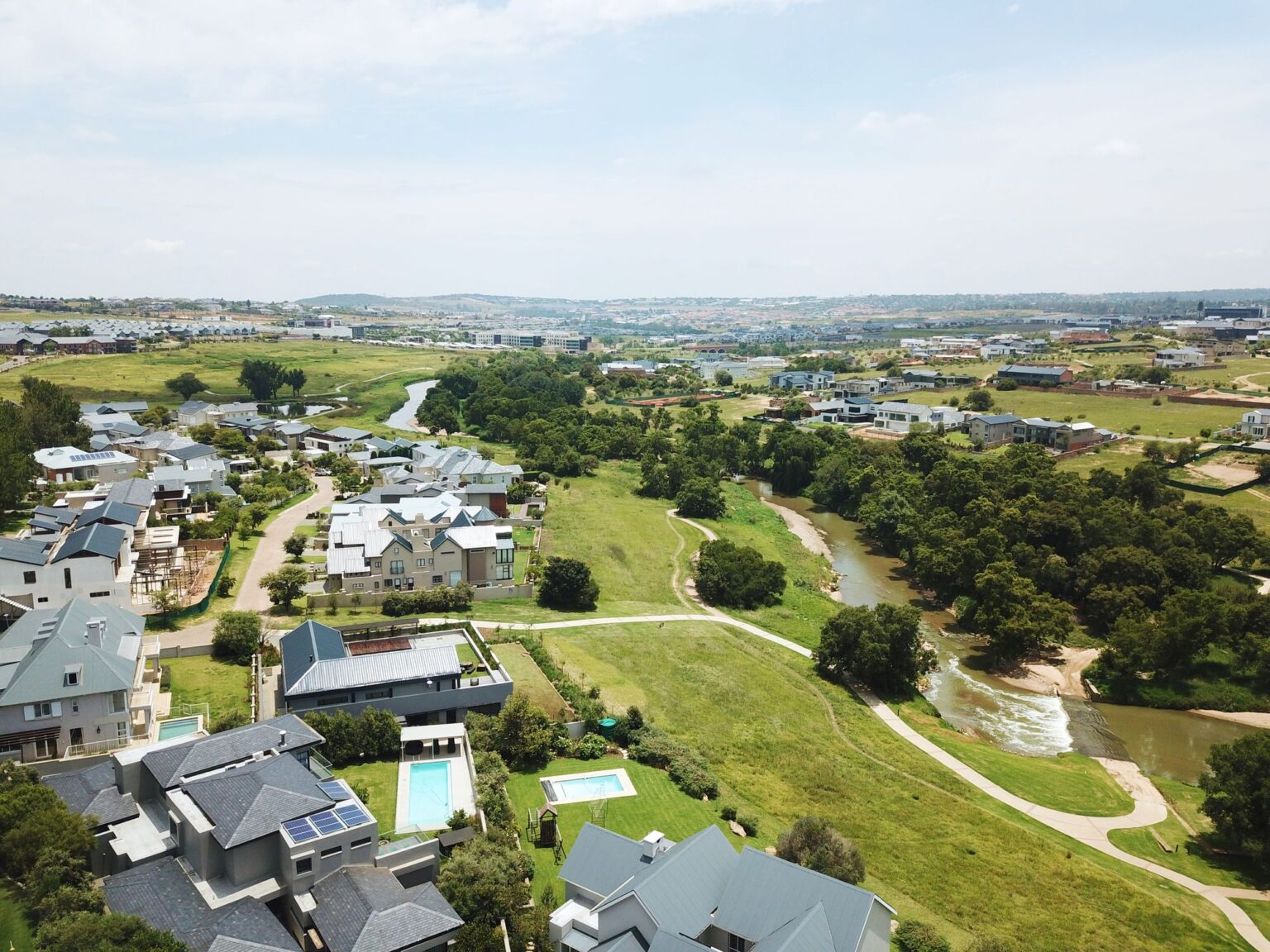
In a major legal victory for one of Johannesburg’s most prominent residential and commercial areas, the South Gauteng High Court has ruled that over R10 million in fines imposed by the City of Johannesburg against Waterfall Estate were unlawful and unconstitutional.
The judgement, delivered by Judge Stuart Wilson, declared that the penalties issued by Johannesburg Water for alleged illegal water meter installations and connections exceeded the City’s legal authority and violated the municipality’s own water by-laws.
Details of the Case
The case was brought forward by multiple affected parties, including:
- Waterfall Country Estate (fined over R1 million)
- Waterfall Schools (over R2 million)
- Waterfall Fields (fined R3 million and R4 million respectively)
These entities challenged what they called “predatory” municipal practices, arguing that the fines were imposed without due process or proper authorisation. The court agreed, stating that officials lacked the legal standing to enforce such penalties and that no lawful basis existed for the amounts demanded.
“The municipality acted outside its powers,” said Judge Wilson in his ruling, categorising the actions as ultra vires — a legal term meaning beyond one’s legal authority.
Court Slams Procedural Failures
Judge Wilson also lambasted Johannesburg Water’s conduct, especially its last-minute attempt to delay proceedings. The court found no urgency in the City’s request for postponement and criticised its poor preparation and disregard for procedural fairness.
Immediate Legal Consequences
As part of the court order:
- Johannesburg Water must correct all municipal billing accounts related to Waterfall within 30 days.
- The City is barred from disconnecting services to any Waterfall properties listed in the case.
- An interdict prohibits any future debt collection or enforcement action related to the overturned fines.
This ruling ensures uninterrupted access to essential services for thousands of residents and institutions in Midrand’s high-end Waterfall development, which includes luxury homes, schools, and commercial spaces adjacent to Mall of Africa.
Broader Implications
The case sets a critical legal precedent in South Africa, highlighting the need for municipal compliance with by-laws and constitutional due process when dealing with ratepayers. It could encourage other estates and property developers to legally challenge excessive or unlawfully issued fines by local authorities.
Conclusion
This ruling underscores the judiciary’s role in holding municipalities accountable, particularly amid growing complaints of mismanagement and overreach by some local government entities. For the residents and businesses of Waterfall Estate, the verdict provides relief and affirmation that municipalities must act within the bounds of law—not above it.