Iran’s military leadership has issued a stark warning of possible preemptive action, escalating tensions with the United States as nationwide protests and economic turmoil grip the country.
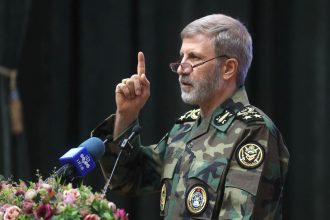
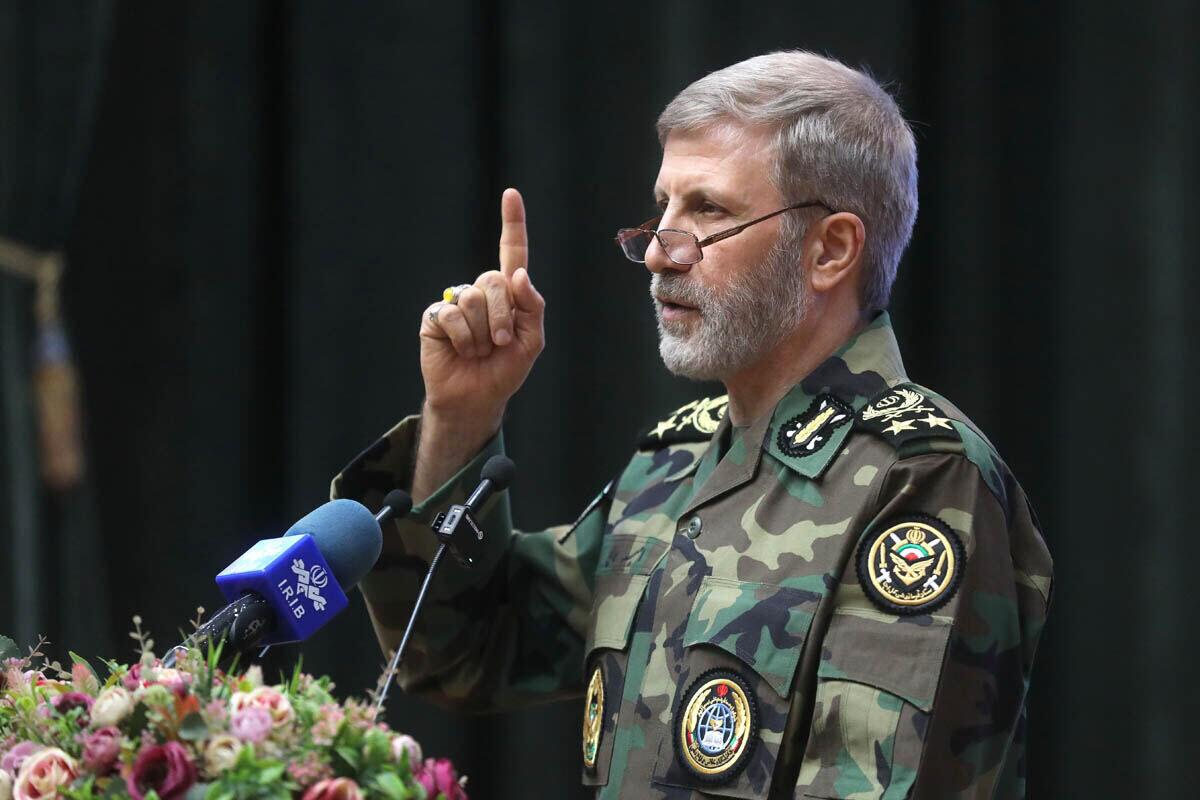
Speaking on Wednesday, Major General Amir Hatami, Iran’s army chief, said Tehran would not tolerate what it sees as threatening rhetoric directed at the Islamic Republic — remarks widely interpreted as a response to recent comments by US President Donald Trump.
Trump warned that if Iran were to “violently kill peaceful protesters,” the United States would “come to their rescue,” a statement that has drawn sharp reactions from Iranian officials.
“We Will Not Leave It Without a Response”
Hatami addressed military academy students in comments reported by Iran’s state-run IRNA news agency. He framed external statements as a direct threat to Iran’s sovereignty.
“The Islamic Republic considers the intensification of such rhetoric against the Iranian nation as a threat and will not leave its continuation without a response,” Hatami said.
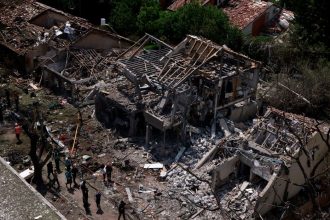
He added that Iran’s armed forces are in a stronger position than before the 12-day war with Israel in June, during which several senior Iranian military commanders were killed.
“I can say with confidence that today the readiness of Iran’s armed forces is far greater than before the war,” Hatami said. “If the enemy commits an error, it will face a more decisive response, and we will cut off the hand of any aggressor.”
Hatami’s appointment is notable. He is the first regular army officer in decades to lead Iran’s military, a role traditionally dominated by the powerful Islamic Revolutionary Guard Corps (IRGC).
Pressure From Abroad and Anger at Home
Iran’s leadership is facing what it sees as a dual threat: rising tensions with the US and Israel, alongside widening domestic unrest driven by economic hardship.
Protests erupted on December 28, following a sharp collapse of the Iranian rial and rising living costs. What began as demonstrations over economic conditions has increasingly turned into a broader challenge to Iran’s ruling theocracy.
The New York-based Soufan Center said the unrest reflects “longstanding anger at government repression and regime policies that have led to Iran’s global isolation.”
Government Scrambles With New Subsidies
In an effort to contain public anger, the Iranian government began issuing new cash subsidies on Wednesday. State television reported that more than 71 million people will receive 10 million rials — roughly $7 — deposited into household accounts.
The payment is more than double the previous subsidy, but economists and shopkeepers warn it may do little to offset surging prices. Iran’s currency is now trading at over 1.4 million rials to the US dollar, and continues to weaken.
Retailers say prices for essentials such as cooking oil, poultry, cheese and rice are already rising sharply, with some warning that costs could triple as subsidies are withdrawn and importers lose access to preferential exchange rates.
Iran’s Vice President for executive affairs, Mohammad Jafar Ghaempanah, described the situation as a “full-fledged economic war,” calling for what he termed “economic surgery” to tackle corruption and rent-seeking policies.
Protests Spread Nationwide
According to the Human Rights Activists News Agency, protests have now reached over 280 locations across 27 of Iran’s 31 provinces. The group reported a death toll of 36 people, including 30 protesters, four children and two security personnel.
The organisation, which relies on sources inside Iran, has previously been regarded as credible during periods of unrest.
Despite threats of forceful retaliation abroad and economic concessions at home, there has been no public sign of imminent Iranian military action. Still, Hatami’s warning signals a hardening stance as Tehran navigates one of its most volatile periods in years.
A Dangerous Convergence
With protests entering their second week, the currency in free fall, and rhetoric escalating between Tehran and Washington, analysts warn that the convergence of internal instability and external pressure could push the region toward a dangerous new phase.
For now, Iran’s leadership is projecting strength — both to its citizens and to its adversaries — even as the strain on the country continues to deepen.