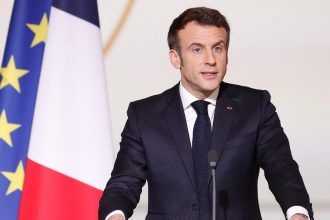
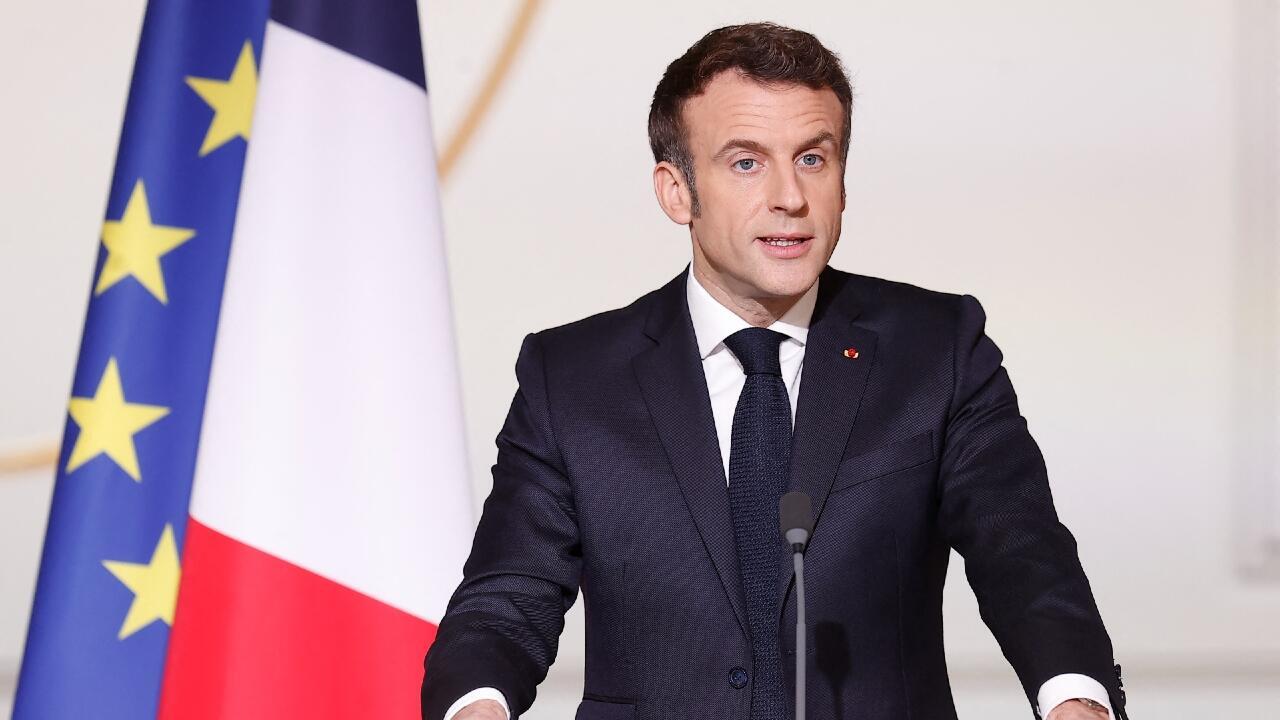
France has dismissed suggestions that the United States influenced its decision to exclude South Africa from the upcoming G7 Summit, as diplomatic tensions simmer over the unexpected change in invitations.
The summit, set to take place from 15–17 June 2026 in Évian-les-Bains, will proceed without South African President Cyril Ramaphosa, despite an earlier invitation extended in 2025.
South Africa’s Invitation Reversed
The controversy stems from a prior invitation issued by Emmanuel Macron during the G20 Summit hosted in South Africa last year.
However, that invitation has now been effectively withdrawn, prompting questions about the reasoning behind the shift.
Presidency spokesperson Vincent Magwenya suggested that “sustained pressure” from the United States may have influenced the decision—an assertion that has since been firmly rejected by both Paris and Washington.
France Insists Decision Was Independent
France’s Foreign Minister Jean-Noël Barrot stated that the country had “not yielded to any pressure”, emphasising that South Africa remains an important global partner.
Speaking during a G7 Foreign Ministers’ meeting at Vaux-de-Cernay near Paris, Barrot explained that the decision was part of an effort to create a more “streamlined” summit format.
Instead of South Africa, Kenya has been invited—signalling a strategic shift in France’s diplomatic engagement on the African continent.
US Also Denies Involvement
Officials from the United States have echoed France’s position.
A State Department representative confirmed that Washington did not request South Africa’s exclusion, while a White House official indicated that the final guest list resulted from collective discussions among G7 members, rather than unilateral pressure.
Ramaphosa Downplays the Snub
For his part, Ramaphosa has sought to reduce the diplomatic fallout, noting that South Africa is not a permanent member of the G7 and does not attend every summit.
Speaking during a visit in the Free State, he said the absence should not be viewed as unusual, highlighting that multiple countries are routinely not included in G7 engagements.
His response suggests an effort to maintain diplomatic stability while avoiding escalation.
Kenya’s Inclusion Signals Strategic Shift
Kenya’s invitation comes amid strengthening ties between Paris and Nairobi.
Macron is expected to visit Kenya later this year, where the country will host the France-Africa Summit in May 2026—a move that underscores its growing geopolitical importance.
Analysts suggest the decision may reflect:
- A shift in France’s African diplomatic priorities
- Increased focus on East Africa
- Strategic economic and political partnerships
Experts Warn of Broader Implications
Despite official denials, some analysts believe the situation could signal underlying tensions in global alliances.
Global governance expert Dr Thelela Ngcetane-Vika noted that the development may not reflect positively on relations between South Africa and the United States, even if direct pressure is denied.
The incident raises broader questions about:
- South Africa’s positioning in global diplomacy
- Its relationships with Western powers
- The evolving dynamics of international influence
A Diplomatic Balancing Act
The G7 remains one of the world’s most influential economic forums, and invitations often carry symbolic and strategic weight.
While South Africa’s exclusion may not be unprecedented, the reversal of a prior invitation adds a layer of diplomatic sensitivity—especially in a shifting global order.
Final Thoughts
France’s denial of US pressure may close one line of speculation, but the decision itself continues to fuel debate about global alliances and Africa’s role in them.
As geopolitical priorities evolve, such moves are likely to become more frequent—and more closely scrutinised.
Call to Action:
Stay ahead of global politics with Virgo’s in-depth analysis and breaking news. Share this story and explore how international decisions shape South Africa’s future.