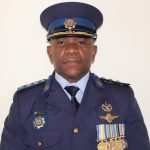
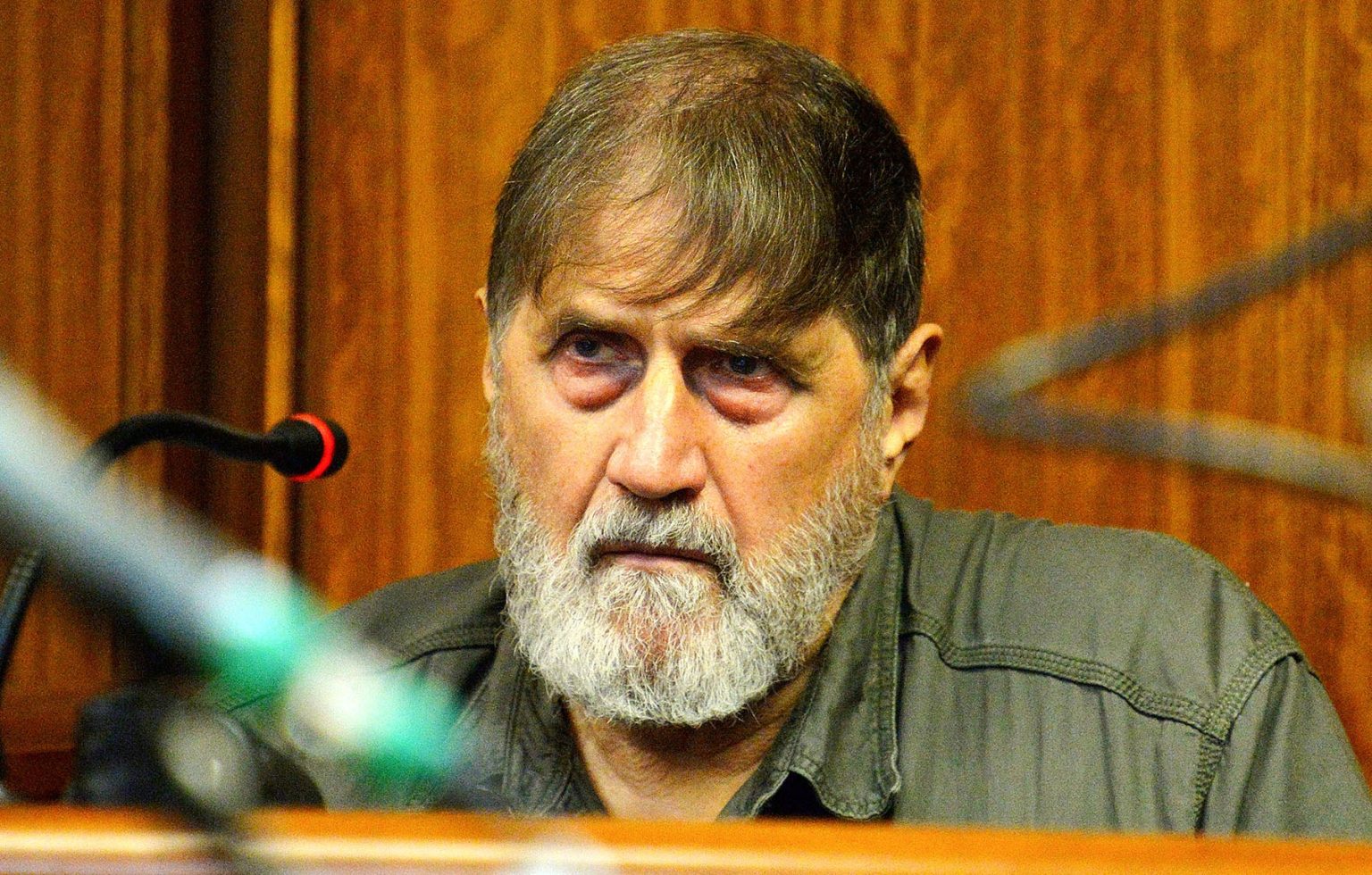
Eugene de Kock has told the High Court in Gqeberha that Cyril Ramaphosa was among a group of individuals allegedly marked for assassination during apartheid.
The revelation emerged during testimony in the reopened inquest into the killings of the Cradock Four murders, one of the most notorious political crimes of the apartheid era.
Testimony at Cradock Four Inquest
The inquest is revisiting the deaths of anti-apartheid activists Matthew Goniwe, Sparrow Mkhonto, Sicelo Mhlauli and Fort Calata, who were abducted and killed in 1985.
They were targeted by the apartheid government’s Security Branch, with involvement from the infamous Vlakplaas unit — a covert police death squad.
While de Kock denied direct involvement in the murders, he provided insight into broader operations carried out by apartheid security structures.
Ramaphosa Named on Alleged Hit List
According to de Kock, he was given a list of 33 individuals who were allegedly targeted for assassination by senior figures within the apartheid security establishment.
Among those listed, he said, was Ramaphosa — now South Africa’s president.
De Kock told the court that he refused to carry out the order and questioned the directive.
“My attitude was: why don’t you kill them yourself?” he said, adding that he did not consider Ramaphosa a legitimate target.
He further stated that the instructions came from higher-ranking officials, suggesting the existence of a coordinated effort to eliminate political opponents.
Denial of Role in Cradock Four Killings
Despite his broader admissions about apartheid-era operations, de Kock maintained that he was not involved in the specific killings of the Cradock Four.
The inquest continues to examine the chain of command and accountability for the murders, decades after the end of apartheid.
Renewed Debate Among South Africans
De Kock’s claims have reignited debate across South Africa, with reactions ranging from shock to scepticism.
Some view the testimony as further evidence of the extent of state-sanctioned violence during apartheid, while others have questioned the timing and credibility of the claims.
The case has also revived conversations about unresolved injustices from the apartheid era and the ongoing need for accountability.
Historical Context Still Unfolding
The reopening of the inquest reflects broader efforts to uncover the truth behind apartheid-era crimes that were not fully addressed during earlier processes, including the Truth and Reconciliation Commission.
For many families of victims, the proceedings represent a long-awaited opportunity to establish accountability and closure.
A Nation Still Confronting Its Past
As the court process continues, de Kock’s testimony serves as a reminder of the complex and often painful legacy of apartheid.
Whether his claims will be corroborated remains to be seen, but they have already added a new layer to South Africa’s ongoing reckoning with its history.