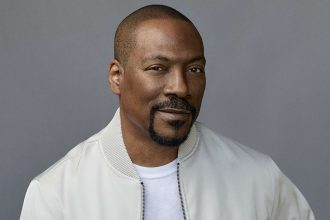
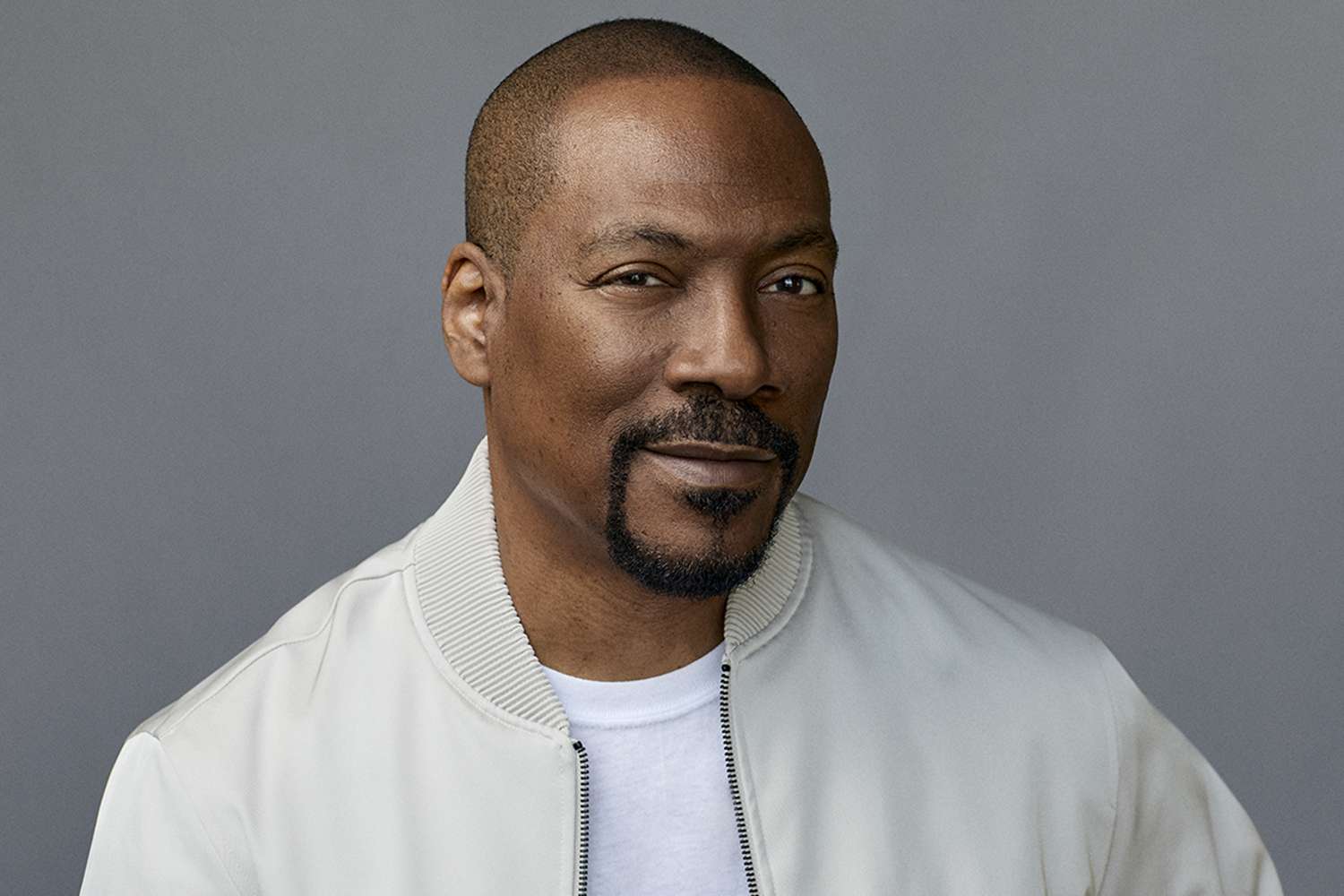
Eddie Murphy has set the record straight on one of the most speculated moments of his career: his early departure from the 2007 Academy Awards after losing the Best Supporting Actor Oscar for Dreamgirls.
In a recent interview with Entertainment Weekly, the comedian and actor said his decision to leave the ceremony was not driven by bitterness, as widely reported at the time, but by a desire to avoid an evening of awkward consolation.
“I didn’t storm out,” Murphy explained. “I just didn’t want to be the sympathy guy all night.”
‘I Knew I Was Going to Lose’
Murphy said he had already anticipated the outcome of the category, which featured a formidable line-up including Alan Arkin (Little Miss Sunshine), Jackie Earle Haley (Little Children), Djimon Hounsou (Blood Diamond), and Mark Wahlberg (The Departed).
He recalled watching Little Miss Sunshine months before awards season intensified and being struck by Arkin’s performance. According to Murphy, he even predicted that Arkin would win an Oscar for the role.
When the moment arrived and Arkin took home the award, Murphy said colleagues immediately began offering sympathy. Clint Eastwood was among those who approached him, patting him on the shoulder — a gesture Murphy found well-intentioned but uncomfortable.

“That’s when I thought, ‘No, I’m not doing this all night,’” he said.
Missing a Historic Night for Dreamgirls
Murphy’s early exit meant he was not present for several major moments later in the ceremony, including Jennifer Hudson’s Best Supporting Actress win for Dreamgirls and performances of the film’s nominated songs.
At the time, his absence fuelled speculation that he was angry or resentful about the loss. Murphy now says those interpretations missed the point entirely.
“It wasn’t about being upset,” he said. “It was about self-preservation.”
Understanding the Politics of Awards Season
Murphy also reflected more broadly on how awards season works, noting that wins are often shaped by more than just the performances themselves. Campaigning, industry relationships and timing all play a role.
He acknowledged that he understands the “game” now far better than he did earlier in his career, even if he remains sceptical of the process.
In his documentary Being Eddie, Murphy joked about the irony of dressing up and attending ceremonies where he might lose. “I could have lost at home,” he said, capturing his long-standing ambivalence about awards culture.
A History of Speaking Truth at the Oscars
Murphy’s relationship with the Academy has always been complicated. In 1988, while presenting Best Picture, he delivered a pointed speech highlighting the lack of Black Oscar winners, noting that only three Black actors had won in the Academy’s 60-year history at the time.
That moment, like his 2007 exit, underscored Murphy’s willingness to challenge Hollywood norms, even at the industry’s most prestigious event.
Clearing the Air, Years Later
Nearly two decades on, Murphy appears unbothered by the loss itself and more amused by how the narrative surrounding his departure took on a life of its own.
His explanation offers a quieter, more human reading of the moment — one rooted not in ego or resentment, but in a refusal to perform disappointment for an audience.