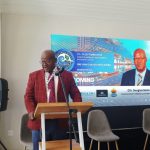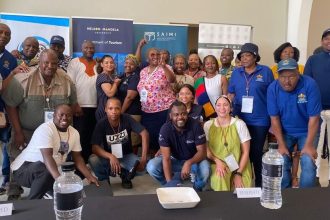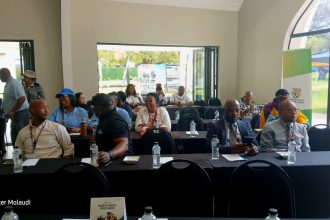
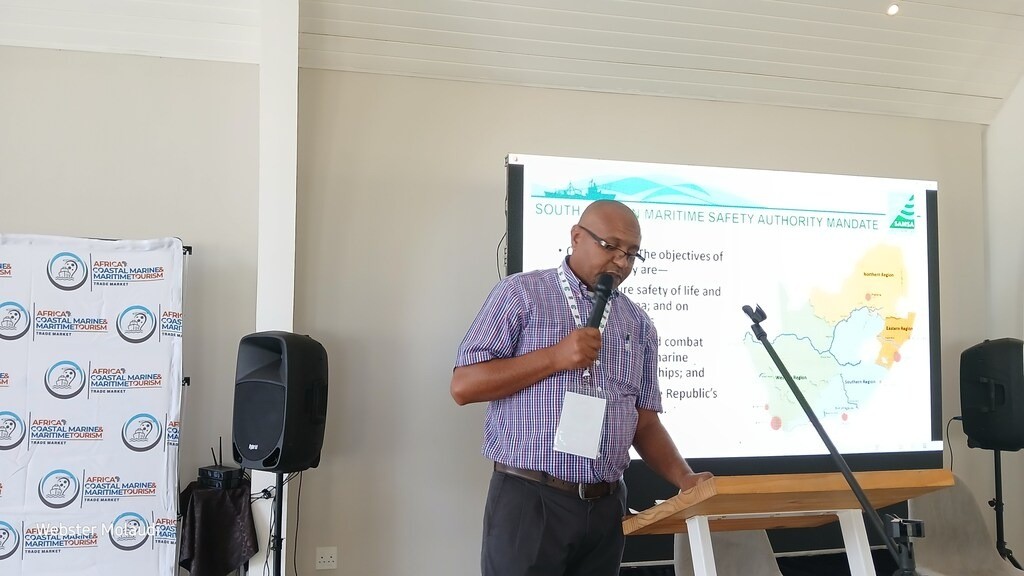
South Africa’s inland waterways came under the spotlight at the Coastal & Waterways Tourism Investment Summit 2025, where Dr. Imraan Davis, Northern Region Principal Officer for the South African Maritime Safety Authority (SAMSA), delivered an urgent message on maritime and boating safety.
Dr. Davis, who has been actively involved in safety campaigns across regions such as the Vaal Triangle, outlined the organisation’s ongoing efforts to ensure that water-based tourism and recreational activities are both safe and sustainable.
Key Findings from SAMSA’s Inspection Campaigns
Presenting recent inspection outcomes, Dr. Davis noted several recurring challenges:
-
Lifejackets and equipment accessibility – in some cases, vital safety gear was stored out of reach.
-
Training gaps – officers and operators often lacked consistent safety knowledge, leading to weak enforcement.
-
Incident reporting delays – slow reporting made it harder to respond quickly and prevent repeat accidents.
“These inspections are not just about compliance,” Dr. Davis explained. “They are about protecting lives, preventing accidents, and ensuring that waterways remain safe for both tourists and operators.”
SAMSA’s Mandate in Maritime Safety
Established by an Act of Parliament in 1998, SAMSA was tasked with three central objectives:
-
To ensure the safety of life and property at sea and on inland waters.
-
To prevent and combat pollution of the marine environment by ships.
-
To promote South Africa’s maritime interests locally and abroad.
Through a mix of training, awareness, and regulatory enforcement, SAMSA continues to uphold international safety standards while strengthening South Africa’s Blue Economy.
Safety as a Driver of Tourism
Dr. Davis stressed that safety is not merely a legal obligation but also a cornerstone of tourism development.
“Safety and tourism are two sides of the same coin,” he said. “By embedding a culture of safety, we not only protect lives but also build trust in South Africa’s inland and coastal tourism industries.”
According to Davis, tourists are far more likely to take part in water-based activities if they are confident about the safety measures in place, making inspections and compliance a direct contributor to tourism growth.
A Call for Shared Responsibility
In his closing remarks, Dr. Davis urged for greater cooperation between government bodies, private operators, and communities.
“The future of inland waterways as vibrant tourism destinations depends on our ability to keep them safe, sustainable, and welcoming,” he said.
His message reinforced the idea that maritime safety is not the responsibility of one entity alone but a collective duty that ensures South Africa’s waterways remain both secure and attractive for generations to come.