
South Africa’s government has launched a crackdown on social media influencers linked to the notorious “Alabunga jobs” scam, a fraudulent scheme that lured desperate jobseekers with promises of high-paying opportunities in Russia.
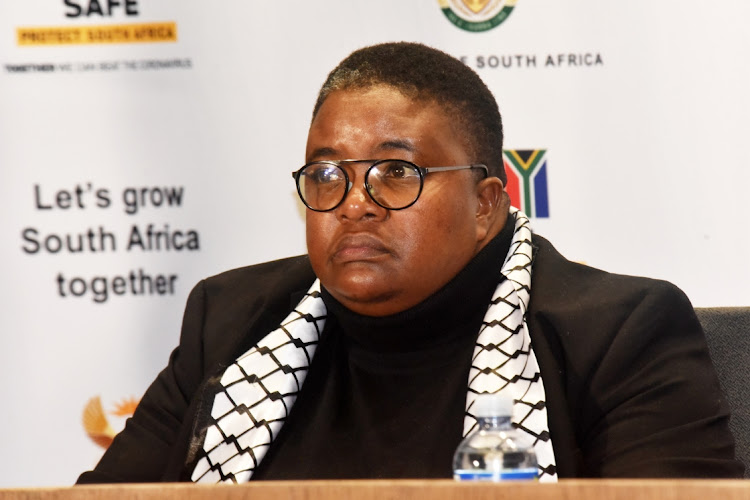
Deputy Minister of Women, Youth and Persons with Disabilities, Steve Letsike, confirmed that officials have compiled a list of implicated influencers, which has now been handed over to law enforcement for criminal investigation.
“These are people who used their platforms to lure unsuspecting youth into believing there were legitimate opportunities in Russia. They knowingly or unknowingly contributed to this scam, and we will ensure accountability,” Letsike said.
Flashy Adverts, False Promises
The so-called Alabunga jobs began trending earlier this year through glossy social media adverts and influencer-led promotions on TikTok, Instagram, and Facebook. Jobseekers were promised lucrative roles in hospitality and teaching, but most were tricked into paying upfront “processing fees” for jobs that simply did not exist.
Some victims lost their entire savings. Others were left stranded after travelling with fake documentation, believing their pathway to a better future had been secured. Advocacy groups say the scam preyed on South Africa’s high unemployment rate and the dreams of young people hoping to work abroad.

Government Steps In
The government has since flagged the fraudulent adverts for takedown and issued public warnings urging citizens not to engage with the content. Letsike stressed that protecting vulnerable youth from exploitation remains the department’s priority.
“Our priority is to protect young people from exploitation, particularly in an era where social media plays such a powerful role in shaping decisions,” she said.
The deputy minister also revealed that her department is in talks with Russian authorities to establish whether local facilitators in Russia played a role in enabling the scam.
Calls for Accountability
Cybersecurity analyst Kabelo Mthembu described the scandal as a wake-up call. “The trust people place in influencers can be weaponised. Without accountability, scams like this will only multiply,” he warned.
Advocacy groups have welcomed the government’s stance, urging swift arrests of those who profited from misleading jobseekers.
Letsike concluded with a message of caution to young people: “No genuine opportunity will demand money up front. We will continue working with law enforcement to ensure those responsible face the full might of the law.”
A Growing Concern
The Alabunga jobs case underscores the darker side of influencer marketing and highlights how online platforms can be exploited by fraudsters. For many victims, it has been a costly lesson in trust, while for authorities, it signals the need for stronger regulation and cyber vigilance.