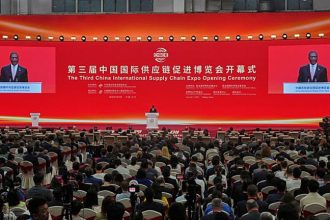
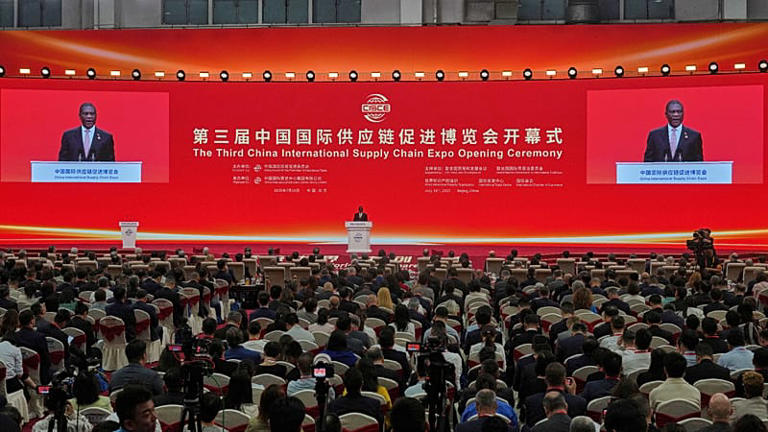
Xi Jinping has announced that China will remove tariffs on imports from 53 African countries starting 1 May, in a move aimed at strengthening trade ties between Beijing and the continent.
The announcement, reported by Chinese state media, marks a significant expansion of China’s existing zero-tariff policy and is expected to further boost trade flows.
Eswatini excluded over Taiwan ties
Eswatini is the only African country excluded from the tariff-free arrangement because it maintains diplomatic relations with Taiwan, whose sovereignty is disputed by China.
Beijing considers Taiwan part of its territory and has repeatedly opposed countries maintaining official diplomatic ties with the island.
Trade expected to grow further
China-Africa trade reached approximately $222 billion in early 2025, and analysts expect the figure to rise further once tariffs are removed.
China previously had a zero-tariff policy covering 33 African countries, but the new measure expands the benefit to nearly the entire continent.
The policy is seen as another step in Beijing’s long-term strategy to deepen economic partnerships across Africa, particularly through increased imports of agricultural and raw materials.
Shift in global trade dynamics
The move comes as some African countries reassess trade relationships globally, including with the United States, which has imposed higher tariffs on certain imports in recent years.
By lowering trade barriers, China is positioning itself as a key export destination for African economies seeking broader market access.
Trade policy is never just about customs duties — it’s geopolitical chess played with shipping containers instead of pawns, where diplomacy, recognition battles, and economic strategy quietly shape who trades with whom and on what terms.